
You press the power button. Nothing happens. No lights, no fan noise, no reassuring startup chime. Your laptop sits there like an expensive paperweight, and panic sets in about deadlines, lost files, and repair costs.
When your laptop not turning on shows zero signs of life, the most common culprits are a drained battery, faulty power adapter, loose RAM connections, or residual electrical charge trapped in the motherboard circuitry. A hard power reset, unplugging the AC adapter, removing the battery (if removable), holding the power button for 30–60 seconds to discharge flea power, then reconnecting everything, resolves about 60% of “dead laptop” cases by clearing static buildup in the power delivery circuits.
This guide walks you through systematic diagnostic steps to isolate power failures, display issues, and hardware connection problems. You’ll learn how to test your AC adapter, perform a proper static discharge, reseat RAM modules, and determine whether your laptop needs professional motherboard repair or just a simple fix you can do at home.
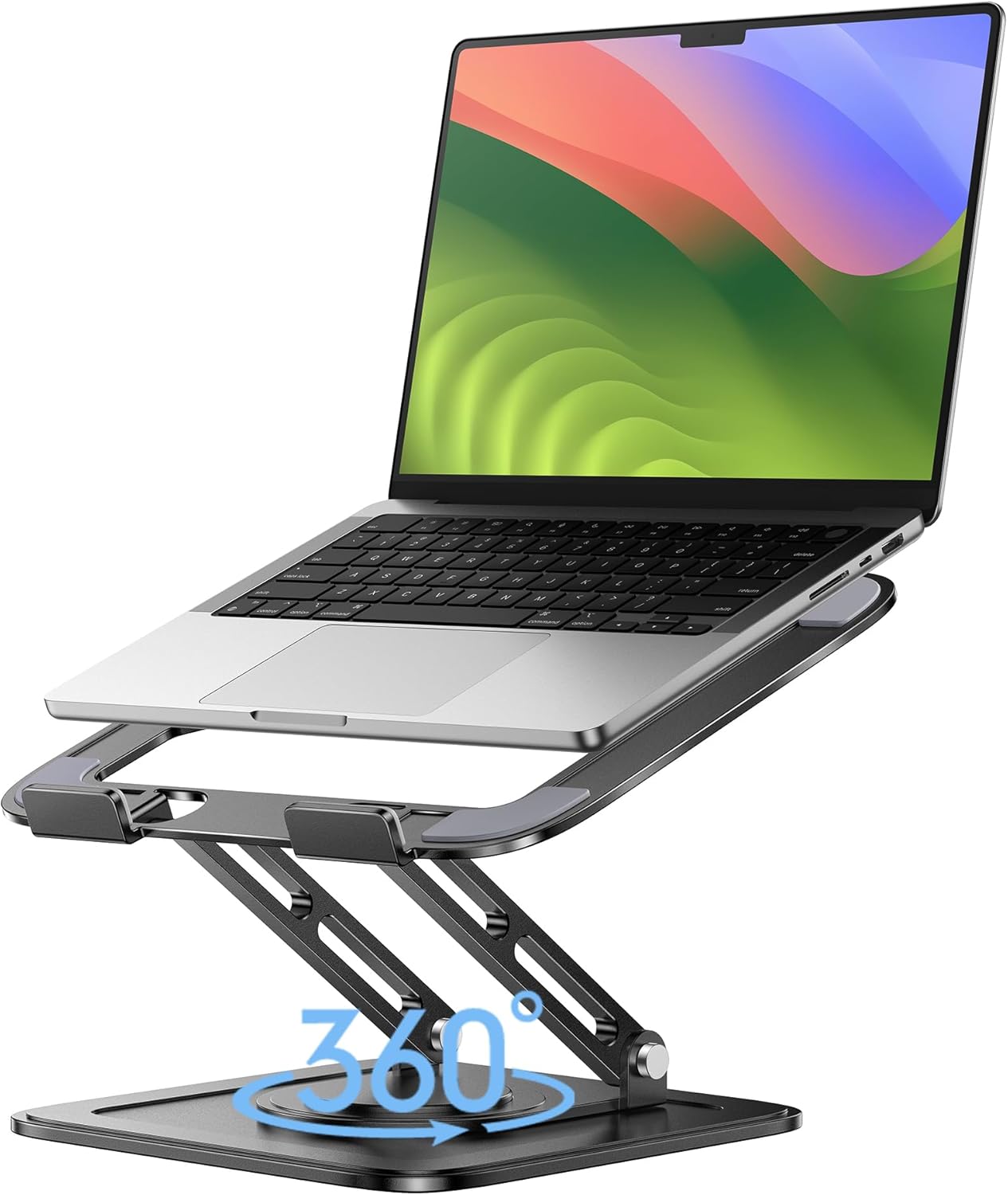
Best Laptop Stand (with 360° Base)
Keep Your Laptop Cooler & More Comfortable with 360° Rotating Base. Improve Airflow & Reduce Heat. Adjustable Height & Viewing Angle.
Shop on Amazon
Key Takeaways
- A laptop not turning on is usually caused by a drained battery, faulty power adapter, loose RAM, or trapped electrical charge—a hard reset resolves about 60% of cases.
- Start with quick visual checks: look for a power light indicator, listen for fan spin, and inspect the charging port and adapter for physical damage or loose connections.
- If the power light is on but your laptop won’t turn on, reseat RAM modules and test an external monitor to rule out display failure versus actual boot failure.
- Disconnect all external devices (USB drives, docking stations, monitors) as a shorted peripheral can prevent the laptop from powering on.
- When a laptop not turning on persists after all troubleshooting steps, seek professional repair for motherboard-level issues, but first recover your data by removing and cloning the storage drive.
- If the laptop starts briefly then shuts down, overheating is likely—clean vents with compressed air and let the system cool for 30 minutes before testing again.
Quick Diagnostic Checks
Before tearing your laptop apart, run through these instant visual checks. Look for any power light indicator on the laptop body when you plug in the charger. A solid or blinking LED tells you the charging circuit is alive, even if the laptop won’t boot. No light at all means the power isn’t reaching the motherboard.
Listen carefully for fan spin or hard drive click sounds when you press the power button. If the fan spins for a second then stops, you’re dealing with a power loop or short circuit. A completely silent machine points to a power delivery failure, dead adapter, bad charging port, or motherboard issue.
Check the laptop’s charging port for physical damage or debris. Wiggle the charger plug gently: if the power light flickers, you’ve found a loose connection. Inspect the AC adapter brick for unusual heat, burning smells, or a dead LED indicator. These clues narrow down whether the problem sits in the power supply, battery, or internal components.
Check Power and Adapter
Verify the Power Cable and Outlet
Plug a phone charger or lamp into the same wall outlet to confirm the socket delivers power. Move the laptop charger to a different outlet, preferably on a separate circuit. Power strips can fail silently, so test a direct wall connection. If the outlet works but your laptop still shows no power light indicator, the issue lies in the charging path.
Inspect the entire length of the power cable for kinks, exposed wires, or chewed insulation from pets. A damaged cable can create an intermittent connection that looks fine but delivers zero current. Check where the cable enters the AC adapter brick: stress fractures often develop at that flex point.
Inspect Your Charging Adapter for Damage
Examine the LED on the adapter brick itself. Most chargers have a small green or blue indicator light when plugged in. No light means the adapter is dead and needs replacement. If the LED glows, measure the output with a multimeter, it should match the voltage printed on the label (typically 19V for Windows laptops, 20V for MacBooks).
Feel the adapter after 10 minutes of being plugged in. Normal warmth is fine: scorching heat or a burnt plastic smell signals internal component failure. If you have access to another compatible charger, swap it in to test. For a reliable replacement, consider the Anker 65W USB-C Laptop Charger with universal compatibility and built-in surge protection.

“My Dell charger light was on, but laptop power button pressed nothing happens. Turned out the charging port had a hairline crack. I could see the adapter LED glowing, but zero current reached the battery.” via r/techsupport
Perform a Hard Reset
This static discharge flea power drain laptop troubleshooting step clears residual charge that can lock the power management IC in a stuck state. Unplug the AC adapter from both the wall and the laptop. If your laptop has a removable battery, take it out. For sealed battery models, skip the battery removal.
Press and hold the power button for a full 60 seconds. You’re not trying to turn the laptop on: you’re draining capacitors on the motherboard. This process dumps trapped voltage that can prevent the power button from registering. Release the button, wait 30 seconds, then reconnect only the AC adapter (leave the battery out for now).
Press the power button once. If the laptop springs to life, the hard power reset battery drain laptop fix worked. Shut down properly, reinsert the battery, and test again. If you still get a laptop black screen power light on fan spinning scenario, move to the next diagnostic step. For MacBooks, this procedure is called an SMC reset and follows a similar principle, Apple’s official SMC reset guide provides model-specific instructions.
Remove and Reseat Battery
A failing battery can pull the entire power rail down, preventing even AC-powered boot. For laptops with removable batteries, power down, unplug the charger, and slide the battery release latches. Inspect the battery contacts for corrosion or bent pins. Clean them gently with isopropyl alcohol on a cotton swab.
With the battery still out, plug in the AC adapter and press the power button. If the laptop boots, your battery is dead or faulty and needs replacement. If the machine still won’t start, you’ve ruled out the battery as the cause. For internal batteries, you’ll need to open the bottom panel, check your manufacturer’s service manual for safe disassembly steps.
Some laptops display a blinking power light battery indicator code when the battery is critically low or damaged. Count the blink pattern (e.g., three short, one long) and reference your laptop’s service manual. Dell, HP, and Lenovo publish diagnostic LED codes on their support sites. This quick check can pinpoint a battery or charging circuit failure without any tools.
Disconnect All External Devices
A shorted USB device, external monitor, or docking station can drain power or trigger a protective shutdown. Unplug everything: USB drives, mice, keyboards, external hard drives, HDMI cables, SD cards, and docking stations. Even a faulty USB-C hub can create a laptop power jack port loose connection fix scenario that mimics a dead motherboard.
With everything disconnected, attempt to power on. If the laptop starts, reconnect peripherals one at a time, rebooting between each addition to identify the culprit. I’ve seen a cheap USB LED light create a short circuit that prevented a ThinkPad from booting for three days, the owner thought the motherboard was toast.
Pay special attention to the charging port itself. A bent pin or debris lodged inside can create intermittent contact. Shine a flashlight into the port and look for lint, paper fragments, or corrosion. Use a wooden toothpick (never metal) to gently clean the port. If the port wiggles when you insert the charger, the solder joints may have cracked, requiring professional reflow repair.
Test Display and Brightness
Sometimes the laptop is running, but the screen stays black because of a failed backlight or GPU output issue. Listen closely, do you hear the Windows startup sound or feel hard drive activity? Press the Caps Lock key and watch for the indicator light. If it toggles, the laptop is booting: you just can’t see it.
Connect an external monitor via HDMI or USB-C and press the display toggle key (usually Fn + F4, F5, or F8). If the external screen shows your desktop, the laptop’s internal display or video cable has failed. This is a hardware issue requiring panel replacement or cable reseating, not a power problem.
Try adjusting screen brightness. On many laptops, holding Fn and tapping the brightness-up key (often F6 or F12) can wake a dimmed display. If you see a faint image when shining a flashlight at the screen, the backlight inverter has failed. For a portable troubleshooting setup, the ASUS MB16AC Portable Monitor offers USB-C power and video in one cable, perfect for diagnosing display issues.

Boot Into Safe Mode
If the laptop powers on but freezes at the logo screen or reboots continuously, a software or driver conflict may be blocking normal startup. For Windows, repeatedly tap F8 or Shift+F8 during boot to access Advanced Startup Options. Select Safe Mode to load only essential drivers. If Safe Mode works, a recent driver update or malware is likely the cause.
On Macs, hold Shift immediately after pressing the power button to enter Safe Boot. The Apple logo will appear with a progress bar. Safe Boot disables login items and clears system caches, often resolving boot loops caused by corrupted preferences. If Safe Mode succeeds, use System Restore (Windows) or Time Machine (Mac) to roll back recent changes.
For systems that won’t even reach the logo, try Windows Recovery Environment by interrupting boot three times in a row (force shutdown during the loading screen). The fourth attempt will trigger automatic repair. Use the Command Prompt or Startup Repair tools to fix corrupted boot files. Microsoft’s Windows Recovery guide details each option.
Check for Overheating Issues
A laptop with clogged vents or a failed cooling fan will shut down to protect the CPU and GPU from thermal damage. If your laptop starts for a few seconds then dies, overheating is a prime suspect. Feel the bottom panel and vents, excessive heat even when off suggests the fan is stuck or the heatsink is choked with dust.
Power off, unplug, and remove the battery. Use compressed air to blow dust out of the vents, working from multiple angles. Don’t spin the fan blades backward with air pressure: hold them still with a toothpick to prevent generator voltage from damaging the motherboard. If the fan doesn’t spin at all during boot, it’s dead and needs replacement.
Some laptops enter thermal protection mode and refuse to boot until the system cools. Let the machine sit unplugged for 30 minutes in a cool room. If it starts when cold but fails after a few minutes, the thermal paste between the CPU and heatsink has dried out. Repasting requires disassembly but can drop temps by 15–20°C. iFixit’s thermal paste application guide provides photo-illustrated instructions for dozens of laptop models.
Diagnose RAM and Hardware
Faulty or unseated RAM modules trigger a laptop black screen power light on scenario with no display output. Power down, unplug, and remove the battery. Open the bottom panel (usually 4–8 screws) and locate the RAM slots. Press the side clips to release each module, then pull straight out.
Inspect the gold contacts for oxidation or damage. Wipe gently with isopropyl alcohol and a lint-free cloth. Reinsert one stick firmly, you should hear a click as the clips lock. Try booting with just that stick. If it fails, swap in the other stick. If one stick works and the other doesn’t, you’ve found the bad module.
| Symptom | Likely Cause | Fix |
|---|---|---|
| No power light, no fan | Dead adapter or motherboard short | Test adapter with multimeter: inspect for burn marks |
| Power light on, black screen, no beeps | Unseated RAM or failed GPU | Reseat RAM modules: test external monitor |
| Blinking power light (pattern) | Battery or charging circuit error | Decode blink pattern from service manual |
| Fan spins 2 seconds then stops | Power rail short or CPU failure | Disconnect battery: test AC-only boot |
“Laptop charger light on but laptop won’t turn on. Reseated both RAM sticks and boom, instant boot. One stick had shifted during a drop. No visible damage, just needed to click back in.” via r/laptops
If reseating RAM doesn’t help, test the CMOS battery (the coin-cell on the motherboard). A dead CMOS battery can prevent boot on older laptops. Replace it with a CR2032 and reset the BIOS to defaults.
When to Seek Professional Repair
If you’ve completed every step and the laptop still won’t turn on, you’re facing a motherboard-level failure: shorted voltage regulator, dead BIOS chip, or liquid damage corrosion. Signs include burn marks, melted plastic smell, or liquid residue under the keyboard. Don’t attempt board-level repair without microsoldering skills and schematics.
Data recovery should be your next priority. Remove the storage drive (2.5″ SATA or M.2 NVMe) and connect it to another computer with a USB adapter. Clone the drive immediately to protect your files. Professional repair shops can diagnose laptop motherboard power short circuit symptoms with oscilloscopes and thermal cameras, tools beyond most home setups.
Get quotes from at least two certified repair centers. Motherboard replacement typically costs $300–$600 for consumer laptops, while microsoldering repairs (charging port reflow, voltage regulator replacement) run $150–$300. If the laptop is older than four years, consider putting that budget toward a new machine with warranty coverage.
For ongoing diagnostics and system health monitoring, HWiNFO64 provides real-time voltage, temperature, and power draw data to catch hardware issues before they cause total failure.
Frequently Asked Questions
What should I do first if my laptop is not turning on?
Start with quick visual checks: look for a power light when plugged in, listen for fan noise or hard drive sounds, and inspect the charging port for damage. Test the wall outlet with another device and try a different outlet. If no power light appears, the issue lies in the charging path rather than the laptop itself.
How does a hard reset fix a laptop not turning on?
A hard reset drains residual electrical charge from the motherboard by unplugging the AC adapter, removing the battery (if removable), and holding the power button for 60 seconds. This clears stuck power management circuits and resolves about 60% of laptop power failures caused by static buildup.
Why is my laptop not turning on even with the charger plugged in?
Common causes include a faulty power adapter (check the LED indicator), a damaged charging port or cable, a dead battery, or unseated RAM. Test the adapter with a multimeter or swap with a compatible charger. Inspect the charging port for physical damage, debris, or loose connections that prevent current from reaching the motherboard.
Can a faulty battery prevent my laptop from turning on?
Yes, a failing battery can pull down the entire power rail, preventing even AC-powered startup. Remove the battery (if removable) and try booting with only the AC adapter. If the laptop starts without the battery, your battery is dead and needs replacement.
What does it mean if my laptop fan spins briefly then stops?
A fan that spins for a second then stops indicates a power loop or short circuit, often caused by a faulty battery or internal component failure. Disconnect the battery and attempt an AC-only boot. If the problem persists, a motherboard-level issue or failed voltage regulator may require professional repair.
How can I tell if my laptop is actually running but the screen is black?
Listen for Windows startup sounds or hard drive activity, and press Caps Lock to see if the indicator light toggles. Connect an external monitor via HDMI or USB-C and press the display toggle key (usually Fn + F4 or F5). If the external screen works, your laptop’s backlight or video cable has failed, not the power system.
Read More:
- Some Laptop Keys Not Working? Quick Fixes That Really Work
- Volume on Laptop Not Working (Symptoms, Causes and Simple DIY Fixes)
- Built In Mouse on Laptop Not Working (Simple Method to Fix It Fast)
- Laptop Audio Not Working (Immediate Checks and Simple DIY Fixes)
- Laptop Keyboard Not Working (Complete Fix Guide for All Brands)