

If your LG TV isn’t displaying in HD, the issue is often related to incorrect input settings, resolution mismatches, or connection problems. The most common fix is to check your TV’s resolution settings and ensure it is set to 1080p or higher, depending on your model.
Verifying that your HDMI cables are properly connected and using the right ports can also resolve blurry or low-quality images. Sometimes features like “Multi View” or custom picture modes can interfere with HD playback.
Adjusting those settings back to standard or default modes helps restore clarity. This guide walks you through practical steps to restore HD quality on your LG TV.
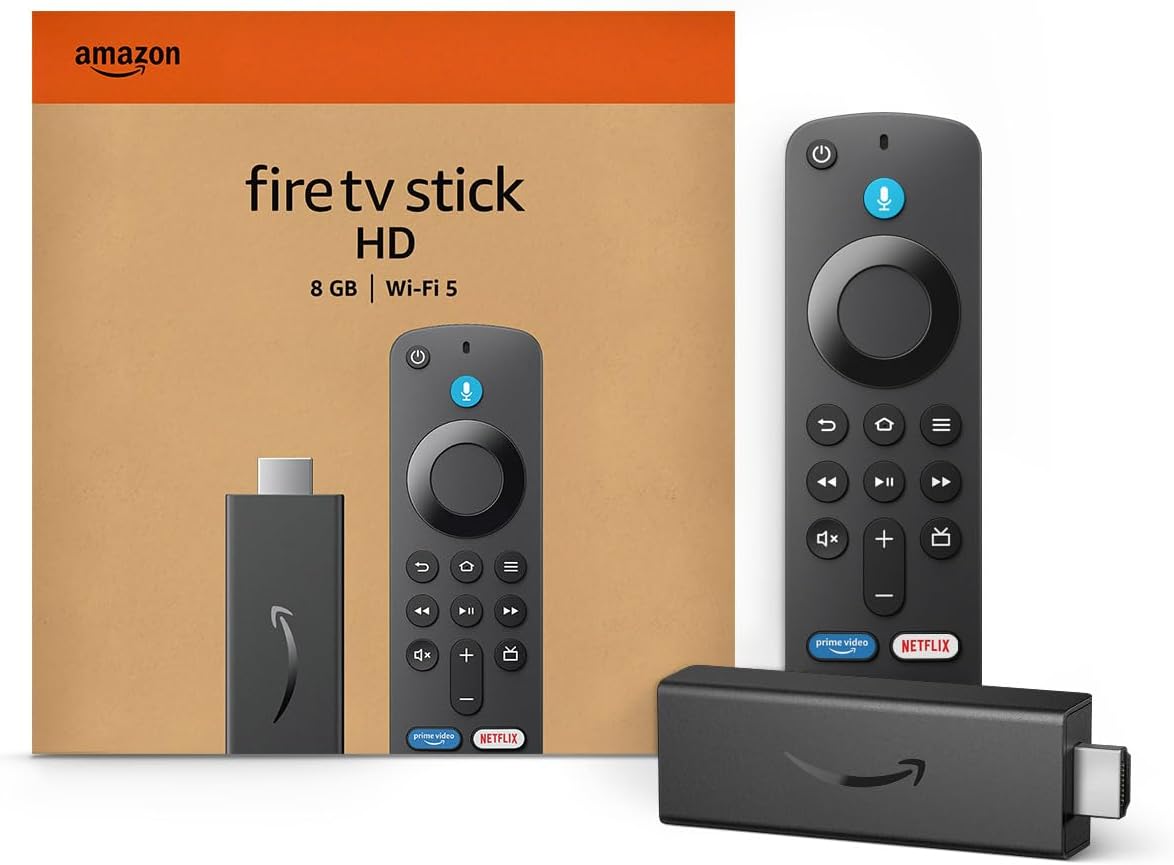
Amazon Fire TV Stick HD
Turn Any TV to a Smart TV. Stream Netflix, Prime Video & More. Alexa Voice Remote Included. Easy Plug & Play Setup.
Shop on AmazonYou’ll learn what settings to check and how to adjust them to get the best picture possible. For more detailed tips, see this guide on LG TV troubleshooting.

Understanding Why Your LG TV Is Not HD
If your LG TV is not displaying in HD, the issue often lies in the picture settings, input source, or HDMI configurations. Identifying the root cause requires examining the signs of low picture quality, understanding the resolution output of your devices, and ensuring proper HDMI connections.
Common Signs of Low Picture Quality
When your LG TV is not showing HD content, you might notice images are blurry, pixelated, or lack detail. Colors could appear washed out or dull, and sharpness might be significantly reduced.
These signs often indicate that the content is being displayed at a lower resolution, or the TV’s settings are not optimized for HD. Another sign is if the channel lineup is missing HD channels or only standard definition channels appear despite having HD service.
This can happen if the TV is tuned incorrectly or if the input source is not sending an HD signal. Pay attention to aspect ratio distortions, which may result from incorrect resolution settings.
Adjust brightness, contrast, and sharpness via your LG TV’s picture menu to see if quality improves. If issues persist, the problem likely involves your input source or connection type.
Input Source and Resolution Basics
Your LG TV’s HD display depends heavily on the resolution output from connected devices like Blu-ray players, cable boxes, or streaming devices running on webOS. If your source device is set to output 720p or lower, your TV will not receive a full HD (1080p or higher) signal.
Check your external device’s display settings to confirm it is configured to output at least 1080p. Streaming services, Blu-ray discs, and some cable channels provide HD content, but only if both the source and TV support it.
If you use a DVD player, remember DVDs are typically standard definition and won’t provide HD quality. Ensure you use high-quality HDMI cables and confirm the device’s output resolution matches your LG TV’s native resolution for optimal results.
HDMI Ports and High-Definition Signals
Your LG TV has multiple HDMI inputs, often labeled HDMI 1, HDMI 2, etc. Not all HDMI ports necessarily support the same features or HDCP versions, so it’s important to connect your HD devices to the recommended HDMI input for full HD or UHD signals.
If your TV is connected via an older HDMI cable or to a port that doesn’t support the resolution from your device, the picture quality will degrade. Some users report that using HDMI port #2 fixes issues related to sound bars or subwoofers but may affect HD signal recognition.
Always use HDMI cables rated for high-speed data transfer, and verify your LG TV’s input settings. Select the correct HDMI input when switching between devices.
Confirm your TV’s webOS settings do not apply resolution limits or disable HD content recognition. Proper HDMI connection is critical to maintain HD signals without distortion or loss.
For more detail on resolving similar issues, troubleshooting steps for missing HD channels are available at My HD channels have gone off my tv. Put 101 in etc and it.
Diagnosing and Troubleshooting HDMI Issues on LG TVs
When your LG TV’s HDMI is not working properly, addressing the problem step-by-step can quickly identify the cause. Common issues include faulty cables, incorrect input selection, device compatibility, or settings that affect video quality.
Checking HDMI Ports and Cables
Start by inspecting your HDMI ports and cables closely. Ensure the cable is firmly connected to both the TV and the external device.
Loose or damaged HDMI cables often cause a blank screen or no picture issues. Use a high-speed HDMI cable rated for HDMI 2.0 or later to support HD content and features like HDR or Dolby Vision.
If you see color bleeding or unstable images, try swapping the HDMI cable with a known working one. Also, test different HDMI ports on your LG TV.
Sometimes, a specific port malfunctions due to dust or internal damage. Performing an HDMI cable test is possible on LG TVs released after 2019 using the Quick Help > HDMI Check feature in settings for diagnosing cable faults.
Selecting the Correct HDMI Input
Sometimes your LG TV’s HDMI not showing a picture is due to selecting the wrong input source. Your TV labels inputs as HDMI 1, HDMI 2, etc., or with custom device names if set.
Use the input or source button on your remote to cycle through inputs until you find the right one. Check that the label matches the device’s connection point.
If your external device powers on but the TV screen is black, ensure the TV input corresponds exactly to the port where the cable is plugged in. Avoid confusion by renaming inputs in your LG TV’s settings to represent connected devices clearly.
Testing with External Devices
To isolate the issue, connect different external devices to your LG TV’s HDMI ports. For example, try a gaming console, Blu-ray player, or streaming box that you know works on other TVs.
If these devices show a picture, the problem likely lies with the original device or its settings. Conversely, test your original device on another TV.
If the HDMI port is fine but you still get no picture on your LG TV with that device, there could be compatibility or setting issues. In some cases, devices with outdated firmware don’t communicate well with LG TVs via HDMI.
HDMI Ultra HD Deep Color and Compatibility
Your LG TV supports HDMI Ultra HD Deep Color, essential for displaying HDR content and Dolby Vision through HDMI 2.1 or 2.0 ports. If HDMI is not working properly, check whether Ultra HD Deep Color is enabled for the connected port in the Picture Settings menu.
Disabling or enabling this setting affects device compatibility. Some older or non-HDCP compliant devices can cause a blank screen if Ultra HD Deep Color is on.
Use certified, genuine HDMI cables that explicitly support deep color and high bandwidth to avoid signal issues with 4K HDR content.
Adjusting LG TV Settings to Achieve the Best HD Picture
Optimizing your LG TV for HD viewing starts with configuring the key picture settings and ensuring your TV software is up to date. Simple adjustments in brightness and picture mode can significantly improve clarity.
Checking and updating the TV firmware can also resolve hidden issues affecting resolution and picture quality.
Using the Settings Menu and Remote Control
To start, access your LG TV’s Settings Menu by pressing the gear icon on your remote control. Navigate to All Settings > Picture to view the picture adjustment options.
Using your remote, you can modify each setting precisely, such as backlight, contrast, and sharpness. If you notice picture problems like blur or dull colors, it may be due to factory settings not matching your environment.
Use the remote control to toggle between preset picture modes such as Standard, Cinema, or Vivid until you find the best match. Restarting your TV can also help apply any changes correctly.
If image quality doesn’t improve, consider a Factory Reset in the settings menu to restore original picture settings and eliminate any misconfigurations.
Picture Mode and Brightness Configuration
The picture mode greatly affects your HD experience. For bright rooms, use the Vivid or Standard mode to boost backlight and color saturation.
In darker rooms, switch to Cinema or Filmmaker Mode for more natural colors and deeper blacks. Adjust Backlight or OLED Light between 80 and 100 based on ambient lighting.
Set Brightness to about 50 to maintain detail in shadows without washing out the image. Reducing Sharpness from high factory values to a range of 10-30 prevents excess edge enhancement that can blur fine details.
Color saturation should be balanced around 50-70 to preserve realism. Avoid extreme changes in Tint or Color Temperature unless you prefer a cooler or warmer image tone for HD content.
Updating TV Firmware for Enhanced Resolution
Keeping your TV’s firmware current is crucial for maximizing HD picture quality. Firmware updates often include fixes for processing issues and add support for new picture enhancement features.
To check for updates, go to Settings > All Settings > Support > Software Update. Select Check for Updates to see if newer versions are available.
Follow on-screen instructions to download and install. After updating, restart the TV to ensure all improvements take effect.
If problems persist, repeated restarts or a factory reset may be necessary to clear cached settings and optimize performance fully. Regular updates keep your LG TV working with the latest optimizations for HD resolution.
For detailed step-by-step instructions on picture settings adjustment, visit LG TV – The Best Picture Settings For Your LG TV.
When and How to Seek Professional Assistance
If your LG TV shows a non-HD or poor-quality picture that you can’t fix with basic troubleshooting, it may indicate deeper hardware or power issues.
Knowing when to reach out to a specialist ensures you avoid unnecessary damage and get reliable repairs.
Addressing Power and Hardware Issues
Power-related problems often cause display issues on LG TVs. If your TV doesn’t power on or flickers, first check the power cord and power outlet for faults by testing with a different device or outlet.
A damaged power supply or internal hardware components could also lead to irregular image quality or no signal output. When you’ve confirmed the external power source is intact but problems persist, it’s time to seek professional assistance.
Technicians can diagnose complex issues such as faulty internal power boards or damaged capacitors, which require specialized tools to repair safely. Avoid attempting internal hardware fixes yourself as this risks further damage or voids your warranty.
Replacing Faulty HDMI Ports or Mainboard
A faulty HDMI port is a common cause of your LG TV not displaying HD content. Signal degradation, fuzzy images, or no picture on specific inputs often point to port damage.
Plug in your HDMI cable into different ports to isolate the problem. If the issue continues on multiple ports, the root cause might be a failing mainboard, which handles input processing and overall signal management.
Repair or replacement of the mainboard requires professional skills and should be handled by trained technicians to ensure proper installation and compatibility with your TV model.
Contacting LG Support or a Qualified Technician
When troubleshooting doesn’t resolve your display issues, contacting LG support is a reliable next step, especially if your TV is still under warranty.
LG-authorized service centers provide warranty-covered repairs and can verify if a replacement part is necessary.
If your warranty has expired, hire a qualified technician specializing in LG TVs.
Look for certified professionals with experience diagnosing both hardware and signal problems to avoid ineffective repair attempts.
Clear communication about your symptoms and the troubleshooting steps you’ve taken helps the technician provide a targeted solution faster.