
Last updated on December 25th, 2025 at 01:03 am
If your Microsoft Surface audio is not working, it can disrupt your productivity and entertainment. The most common causes include incorrect audio settings, outdated or missing drivers, and hardware connection issues.
Knowing how to identify and address these problems can help you restore sound quickly. You may encounter situations where your Surface plays sound only through headphones or not at all.
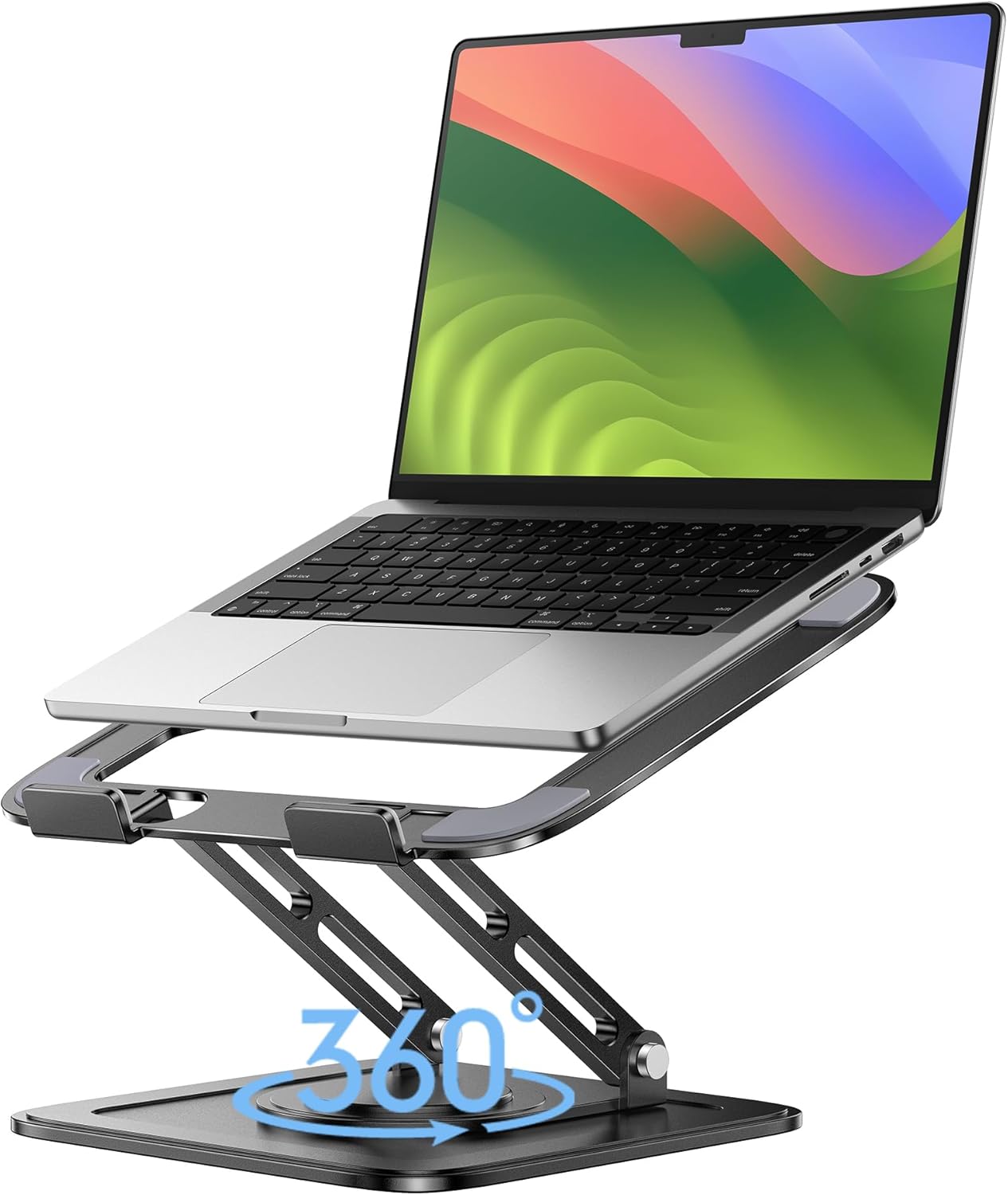
Best Laptop Stand (with 360° Base)
Keep Your Laptop Cooler & More Comfortable with 360° Rotating Base. Improve Airflow & Reduce Heat. Adjustable Height & Viewing Angle.
Shop on AmazonSimple checks like verifying the selected playback device, adjusting volume controls, and ensuring proper Bluetooth pairing often resolve these issues. Restarting your device or running built-in troubleshooters can also fix many audio problems.
Sometimes, deeper issues such as driver corruption or hardware faults cause the audio failure. Updating your Surface drivers manually or performing a system reset might be necessary if basic fixes don’t work.
Learn more about how to troubleshoot Surface sound problems in detail at Troubleshoot Surface sound and audio accessories – Microsoft Support.

Identifying Surface Audio Problems
When dealing with audio problems on your Surface device, precise identification of the issue is essential. You need to know whether the problem lies with sound output or input, understand the symptoms, and recognize what typically causes these failures.
Recognizing Audio Issues and Symptoms
Audio issues on a Surface laptop, Pro, or Pro 9 can manifest in several ways. You might experience no sound at all, distorted or crackling audio, or intermittent loss of sound during use.
Sometimes the volume controls seem unresponsive, or sound plays through the wrong output device. Other symptoms include microphone failures where your voice isn’t heard during calls or recordings.
You could also notice delayed or muffled audio, which can be caused by software conflicts or hardware failure. In some cases, sound issues occur only with specific apps, pointing to software settings rather than device faults.
Audio Output vs Audio Input Problems
Audio output problems affect what you hear. These include the Surface’s built-in speakers, headphones, or external speakers connected via Bluetooth or a jack.
If your Surface produces no sound, ensure the correct output device is selected in settings. Output issues often relate to driver problems or device connections.
Audio input problems involve the microphone or recording features. If people can’t hear you or recordings have poor quality, the input device may be disabled or misconfigured.
Microphone problems might appear as static, low volume, or no input detected. Testing the mic and checking its volume level in the Sound settings can help isolate input faults.
Common Causes of Sound Not Working
Sound problems on Surface devices can arise from hardware, software, or configuration errors. Common hardware causes include debris in the audio jack, damaged speakers, or faulty microphones.
Bluetooth pairing failures or poor cable connections also disrupt sound output or input. Software issues include outdated or corrupted audio drivers, Windows updates that affect sound functionality, or incorrect sound settings.
Some apps or enhancements may interfere with audio performance, as can mismatched audio device selections. Forced shutdowns or resetting the device often resolve temporary glitches, while driver updates can fix persistent problems.
For device-specific troubleshooting, official guidance on how to troubleshoot Surface audio and accessories can be found at Microsoft’s Surface support.
Basic Troubleshooting Steps
To address audio issues on your Microsoft Surface, start by verifying settings and connections related to volume, output devices, and accessories. Ensuring these basics are correct often resolves common sound problems quickly.
Check Volume Controls and Taskbar Settings
Begin by checking your Surface’s volume controls. Use the volume buttons on your device or keyboard to adjust the sound level.
Make sure the volume is not muted. Next, look at the speaker icon on the desktop taskbar.
Click it to see the volume slider and ensure it’s set high enough. Sometimes, volume can be muted or very low here, even if hardware buttons show otherwise.
Check sound levels within the app you are using too—many apps have their own volume controls that can be independent of your system’s settings. If your audio seems off, try adjusting these as well.
Ensure Audio Output Device is Set Correctly
Your Surface can output sound to multiple devices, so verify the correct default audio output device is selected. Open Sound settings by right-clicking the speaker icon or going to Settings > System > Sound.
Under the Output section, check the device listed under Choose where to play sound. If the wrong device is selected, no audio may play correctly.
Select your internal speakers, headphones, or external speakers as needed. If using a headphone or external speaker through the 3.5mm jack or Bluetooth, confirm the device is detected and chosen as the default output.
Sometimes a reconnection or restarting helps the system recognize the device.
Test with Internal Speakers and Headphones
To isolate the issue, try testing sound on both your internal speakers and headphones. Play audio using your internal speakers first by disconnecting any accessories.
If you hear sound from the internal speakers but not the headphones, your accessory or its connection may be the problem. Conversely, if nothing plays through the internal speakers but works on headphones, software or hardware on the device may be faulty.
Try different headphones to rule out faulty accessories. Also, toggle the connection between the Surface and your headphone jack or Bluetooth device to ensure the accessory is detected properly by the system.
Inspect Audio Accessory Connections
Audio problems often result from loose or faulty audio accessory connections. Ensure all cables connecting external speakers or headphones to your Surface are firmly and securely plugged in.
If you use Bluetooth accessories, make sure they are paired correctly and fully charged. Sometimes unpairing and re-pairing the device resolves detection issues.
Try swapping cables if possible to rule out damaged wires. Also, fully disconnect accessories and restart your Surface before reconnecting them; this can help reset hardware recognition.
If you’re using a Surface Dock or other adapters, verify that they are functioning and supporting audio correctly. Poor accessory connections are a common cause for no sound on Surface devices.
For detailed guidance and troubleshooting, visit the Microsoft support page on troubleshooting Surface sound and audio accessories.
Advanced Solutions for Surface Audio Not Working
You can resolve many Surface audio problems by addressing software or driver-related issues directly. These solutions involve using built-in troubleshooting tools, updating or reinstalling drivers, managing changes after Windows updates, and adjusting audio settings to allow proper device operation.
Run the Audio Troubleshooter
Begin by running the automated audio troubleshooter in Windows. This tool scans for common audio issues with built-in speakers, microphones, and connected accessories.
It automatically detects problems and applies recommended fixes, saving you time and effort. To run it, open Settings > Update & Security > Troubleshoot > Additional troubleshooters.
Select Playing Audio and then Run the troubleshooter. Follow the prompts and apply any fixes it recommends.
This can identify simple issues like muted devices, incorrect sound output selection, or driver faults. The troubleshooter can also reset audio services and check device configurations, which are common causes of no sound or microphone failures on your Surface.
Update or Reinstall Audio Drivers
Outdated or corrupt audio drivers often cause sound failures. To update drivers manually, open Device Manager by right-clicking the Start button.
Expand the Sound, video and game controllers category, then right-click your audio device and choose Update driver. Select Search automatically for updated driver software.
If updating doesn’t work, reinstall the driver. Right-click the audio device again and select Uninstall device.
Restart your Surface, which will force Windows to reinstall the driver. This often fixes corrupted driver files or conflicts.
For the latest drivers and firmware, use the Surface app or visit the Microsoft site to download Surface drivers manually. Keeping drivers updated ensures compatibility and resolves many hardware-level issues.
Resolve Issues After Windows Update
After a Windows update, audio problems can arise due to driver incompatibility or reset settings. Review your sound settings first: open Settings > System > Sound and confirm the correct output and input devices are selected.
If audio stops working after an update, revisit Device Manager to check if drivers were rolled back or disabled. You can roll back to a previous driver version by right-clicking the audio device, selecting Properties, then the Driver tab, and clicking Roll Back Driver.
Also, check for additional updates in Windows Update. Sometimes, Microsoft releases hotfixes to address post-update audio bugs.
Disable Audio Enhancements and Check Microphone Settings
Audio enhancements can sometimes interfere with playback and recording. To disable them, open Control Panel > Sound > Playback tab, select your audio device, then click Properties.
Under the Enhancements tab, check Disable all enhancements and confirm. For microphone issues, open Settings > System > Sound.
Under Input, ensure the correct device (built-in or external mic) is selected. Adjust the input volume slider to an appropriate level.
Also, allow apps to access your microphone by checking Privacy settings. Disable any special audio processing, as these can distort or block mic input.
Testing your microphone through Windows’ Start test feature can help verify the audio input quality and confirm that microphone settings are correctly applied.
When to Seek Surface Support
If basic troubleshooting steps don’t resolve your Surface’s audio issues, it’s time to consider deeper solutions. This involves resetting or restoring your device, checking hardware status, or reaching out for professional help.
Reset or Restore the Surface Device
Resetting or restoring your Surface can fix persistent audio problems caused by software corruption or driver conflicts. You can restore your device to a previous point if you created system restore points, which preserves your files and settings.
If that doesn’t work, a full reset reinstalls Windows and removes apps but lets you choose whether to keep or erase personal files. Before starting a reset or restore, back up important data.
To initiate these processes, go to Settings > Update & Security > Recovery. Follow prompts carefully, as a reset will reinstall system files and potentially resolve deep software issues blocking audio functions.
Hardware Checks and Service Options
If software fixes fail, inspect your Surface for hardware problems. Check that speakers and microphone holes aren’t blocked by dirt or protective films.
Verify that audio accessories and cables are connected firmly and test with alternate cables or devices. You can also run built-in diagnostics from the Surface app to check hardware health.
If an internal component is malfunctioning, professional repair might be necessary. Microsoft offers in-person support and repair services in certain areas.
You can find options for inspection, hardware replacement, or system recovery. If you’re experienced and equipped, Microsoft also provides official service guides and parts for self-repair.
Contact Microsoft Support and Community Resources
When troubleshooting and hardware checks don’t restore sound, contact Microsoft support for expert assistance.
You can create service orders, check warranty status, and arrange shipping for repairs via the official Microsoft support site.
The Microsoft Community forums are another valuable resource.
Many users and experts share solutions for specific Surface audio problems, often offering detailed advice tailored to your device model.
Use the Surface app or official Microsoft Support channels to ensure you receive accurate, device-specific guidance.