
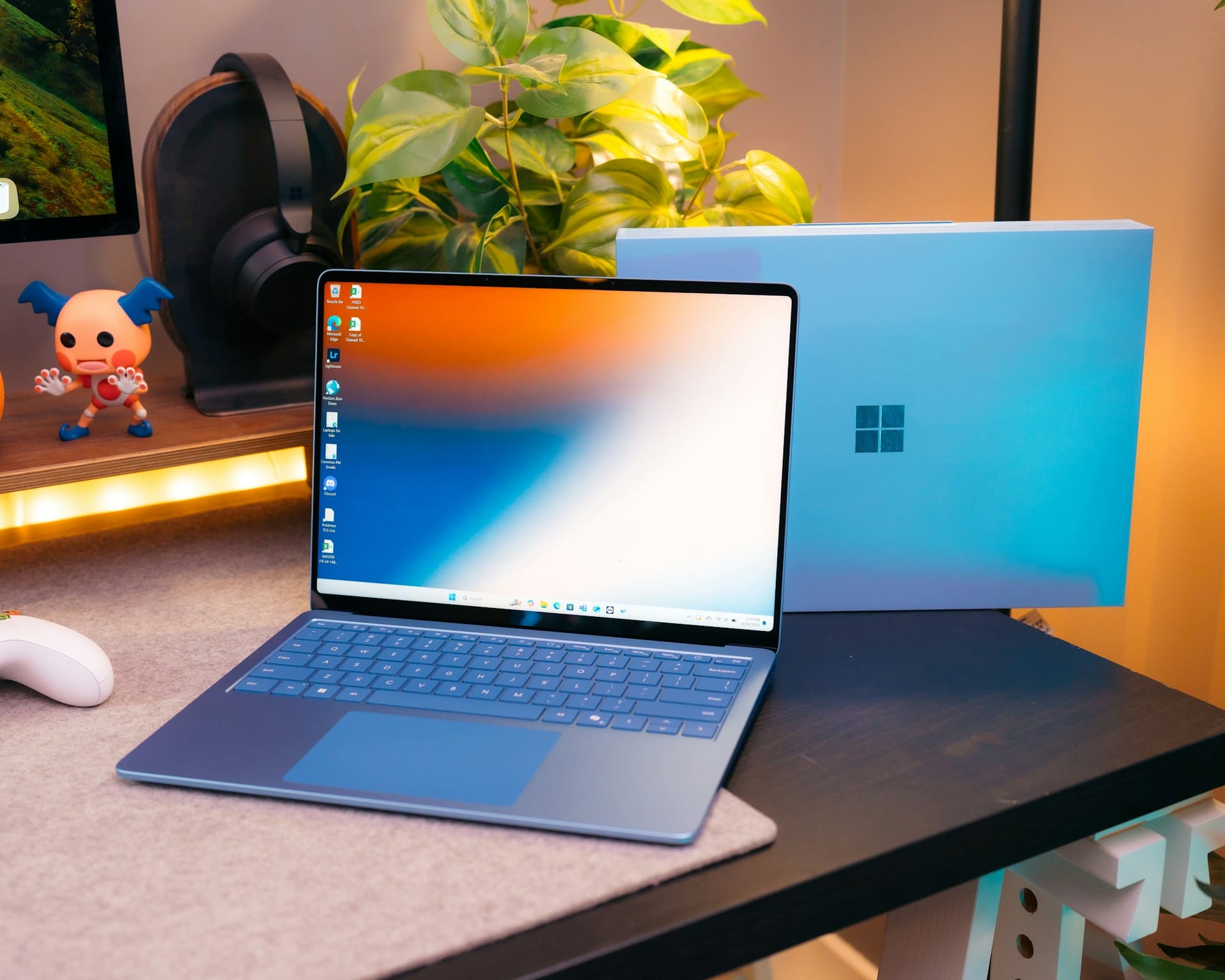
If your Surface stops updating, you can fix most problems without a service call. Check basic things first—battery charge, date and time, and the Windows Update troubleshooter—because these simple fixes solve many update failures.
You’ll also learn common causes like driver or firmware conflicts, low disk space, and interrupted installs. The article shows step-by-step troubleshooting, quick advanced fixes, and ways to prevent the problem from returning.
Follow the short guides that come next to run the right tools, download firmware if needed, and know when to reset or seek service.
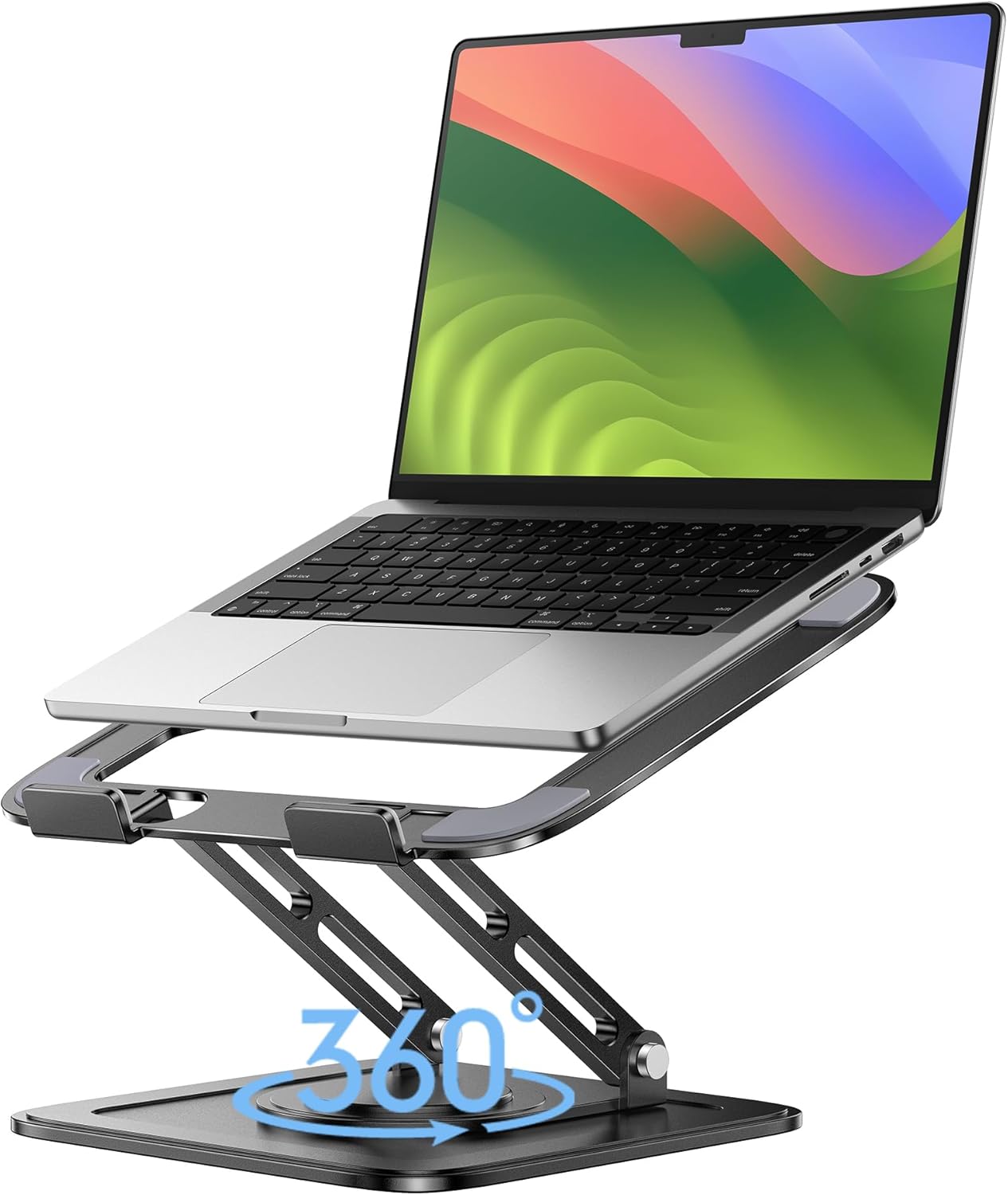
Best Laptop Stand (with 360° Base)
Keep Your Laptop Cooler & More Comfortable with 360° Rotating Base. Improve Airflow & Reduce Heat. Adjustable Height & Viewing Angle.
Shop on Amazon
Common Reasons Why Microsoft Surface Is Not Updating
Most update failures tie to a few clear causes: not enough disk space, old device drivers or firmware, unreliable network connections, damaged system files, or power and hardware faults. Each cause needs a specific check and fix so you can get Windows Update running again.
Insufficient Storage Space
Your Surface needs free space to download and install Windows updates. If disk space falls below a few gigabytes, updates can fail during download or while unpacking files.
Check Settings > System > Storage to see used and free space, and remove large unused files or uninstall apps you no longer need. Use these quick cleanup steps:
- Empty the Recycle Bin and delete temporary files from Settings > System > Storage > Temporary files.
- Move personal files to an external drive or cloud storage.
- Run Storage Sense to automate cleanup.
If you still lack space, consider a full backup and remove large apps or media. Low space often causes repeated “download failed” or “not enough space” errors in Windows Update.
Outdated Drivers or Firmware
Outdated drivers or firmware can block Surface updates because Windows Update needs current device firmware and drivers to apply system changes. Your Surface firmware and drivers come from Microsoft, and some updates depend on them.
Check for firmware and driver updates via Settings > Update & Security > Windows Update. If Windows Update stalls, download device-specific firmware packages from Microsoft’s official page for drivers and firmware for Surface.
Install firmware updates while the device is plugged in and charged above 40%. If a driver update fails, run Device Manager, find the device, and update the driver manually.
You can also use the Surface Diagnostic Toolkit to detect driver or firmware issues.
Network Connectivity Issues
A stable internet connection is essential for downloading large Windows Update files. Intermittent Wi-Fi, capped mobile hotspots, or strict firewall rules can interrupt downloads and cause errors.
First, check your connection speed and stability. If Wi‑Fi drops during updates, connect the Surface directly to the router with Ethernet via an adapter.
Temporarily disable VPNs or third-party firewalls that might block Microsoft update servers. If updates still fail, run the Windows Update troubleshooter (Settings > Troubleshoot > Other troubleshooters > Windows Update).
The troubleshooter can reset update components and repair broken network-related settings.
Corrupted System Files
Corrupt or missing Windows files can stop updates from installing correctly. The system may report errors like “failed to configure updates” or get stuck on “Getting devices ready…”.
Run built-in repair tools:
- Open Command Prompt as admin and run: sfc /scannow to fix corrupted system files.
- Then run: DISM /Online /Cleanup-Image /RestoreHealth to repair the Windows image.
After repairs, restart and try Windows Update again. If corruption persists, use a repair install with Windows installation media to keep your files while reinstalling system files.
Hardware or Power Problems
Power and hardware issues can interrupt updates and damage installations. Updates often require the Surface battery to be above a certain level; low charge or faulty battery behavior may block firmware or feature updates.
Always plug your Surface into power while updating and ensure the charge is above 40%. If charging stops at 40% or won’t charge, reinstall the battery driver via Device Manager under Batteries, then restart.
If the device freezes during update or repeatedly fails after reboot, test hardware with the Surface Diagnostic Toolkit or contact Microsoft support for service options. Physical hardware faults—like failing SSDs—can also cause repeated update errors.
Back up your data and run disk checks (chkdsk) to detect drive issues.
Step-by-Step Troubleshooting for Surface Update Issues
These steps help you fix failed updates, stalled downloads, and devices that stay on “Getting devices ready.” You will run the Windows Update troubleshooter, check and install updates manually, refresh drivers and firmware, and restart or force-restart the Surface when needed.
Run the Windows Update Troubleshooter
Run the built-in Windows Update troubleshooter first. Open Settings > System > Troubleshoot > Other troubleshooters, then click Run next to Windows Update.
Let the tool scan for broken services, corrupt update files, or wrong registry entries. If the troubleshooter finds fixes, apply them and reboot.
If it reports problems it can’t fix, note any error codes it shows. Those codes help with targeted fixes or when you look up Microsoft help articles.
Make sure your Surface is plugged in and has at least 40% battery before retrying updates. This reduces interruptions during the update process and avoids errors tied to low power.
Check for Updates Manually
Open Settings > Windows Update and select Check for updates. Install any available Windows updates first, then return and install Surface-specific firmware or driver bundles.
Some Surface models require separate firmware packages that appear after core Windows updates install. If a download stalls, pause and resume, or run the check again.
For manual firmware files, use Microsoft’s download page to get the correct package for your exact model; this is required for some Surface devices that won’t accept manual Surface updates from Settings.
If you see a specific error code or “pending restart,” restart your Surface before repeating the check. That often clears the pending state so new updates can install cleanly.
Update Drivers and Firmware Using Device Manager
Open Device Manager (type device manager in the taskbar search). Expand key categories like Firmware, System devices, and Batteries.
Right-click a device such as “Microsoft ACPI-Compliant Control Method Battery” or any Surface driver and choose Update driver. Select “Search automatically for drivers” to let Windows try online.
For firmware bundles, Windows Update normally delivers Surface firmware. If Device Manager fails to update, download the official Surface driver and firmware pack for your model from Microsoft and run the included installer.
If battery or firmware drivers reinstall but updates still fail, uninstall the problematic device entry, reboot, and let Windows reinstall the driver. That can fix corrupted drivers that block the update process.
Restart or Force Restart Your Surface Device
Try a normal restart first: Start > Power > Restart. If updates freeze or stay on “Please wait while we install a system update” for more than 20 minutes, perform a force shutdown.
For most Surface devices press and hold the power button for 30 seconds, then release. Wait 10 seconds and press power to turn it on.
On some Surface models (like Surface Pro series) you can do a two-button shutdown: hold Power for 30 seconds, then press and hold Power + Volume Up for 15 seconds, release, wait 10 seconds, and power on. This clears firmware state without erasing data.
After restarting, check Windows Update again and inspect Update history. If updates still fail, note any error messages and try the troubleshooter or manual driver install steps above.
Advanced Solutions for Persistent Microsoft Surface Update Problems
You can fix stubborn update failures by using official firmware files, the Surface app, or by reversing recent changes. If those fail, restore Windows or get help from Microsoft support and the community.
Download Drivers and Firmware for Surface
Download the exact firmware and driver package for your Surface model from Microsoft’s download page. Find your model name (for example, Surface Laptop or Surface Pro) in Settings > System > About before you download.
Choose the package that matches Windows 10 or Windows 11 and the device build. After downloading, run the installer while the Surface is plugged into power.
Restart the device when the installer finishes. If an update still fails, try installing the package in Windows Safe Mode or use an admin account.
For the official download page and instructions, see the Microsoft download hub for Surface drivers and firmware.
Use the Surface App for Updates
Open the Surface app that Microsoft provides for device health and firmware updates. The app shows firmware status, battery diagnostics, and any pending Surface-specific updates that Windows Update might skip.
Install updates shown inside the app first, then run Windows Update. Make sure the Surface app is the latest version from the Microsoft Store.
If the app reports an error, note the error code, uninstall the app, then reinstall it. Running the Surface app as Administrator can help for some firmware installs.
Use the app alongside Windows Update for best results on Surface Laptop and Surface Pro devices.
Uninstall Recent Updates or Reset Windows
If updates started failing after a recent install, uninstall the last Windows update from Settings > Update & Security > Windows Update > Update history > Uninstall updates. Remove the most recent cumulative or feature update, then restart and try updates again.
If uninstalling doesn’t help, use Recovery options: select Settings > System > Recovery > Reset this PC. Choose “Keep my files” first to preserve personal data.
As a last resort, use a USB recovery drive created from Microsoft’s recovery image for your Surface. Back up important files before resetting or reinstalling Windows 10 or Windows 11.
Contact Microsoft Support or Community
If problems persist, contact Microsoft Support for guided help or service options. Use the official support site to start a chat, schedule a call, or book a repair if the device needs hardware service.
Have your Surface serial number and error codes ready. You can also post in the Microsoft Support Community to get troubleshooting tips from other Surface users and Microsoft agents.
Describe exact errors, Windows build (10 or 11), and steps you’ve tried. Community replies often include practical fixes for specific Surface models.
Preventing Future Update Issues on Your Surface
Keep your Surface safe and updating by using automatic updates, keeping drivers and firmware current, freeing storage space before installs, and confirming secure boot and Windows update settings.
Enable Automatic Updates
Turn on automatic updates so Windows and Surface firmware install without you needing to check manually. Go to Settings > Windows Update and toggle on Automatic updates or set active hours so updates install outside your work time.
For Surface Laptop 7 and other Surface devices, enable “Download updates over metered connections” only if you have an unlimited connection. Use the Windows Update troubleshooter if automatic updates fail.
Run Settings > Troubleshoot > Other troubleshooters > Windows Update, then select Run. If a firmware update won’t install, plug your Surface into power and leave it charging until the process finishes.
Maintain Driver and Firmware Updates
Keep drivers and firmware current to avoid compatibility issues during major updates. Install Surface-specific firmware from Microsoft’s download page when available rather than relying only on generic driver updates.
Check Device Manager for flagged drivers and update the “Surface” or “Microsoft” entries first. Use the Surface Diagnostic Toolkit or the Microsoft Update Catalog for specific driver packages on Surface models.
For Surface Laptop 7, prioritize chipset, graphics, and battery firmware. If a driver update causes trouble, roll it back in Device Manager to restore stability.
Regularly Free Up Storage Space
Windows update failures often happen when free space is low. Keep at least 20 GB free before major feature updates.
Use Storage Sense in Settings > System > Storage to delete temporary files and empty the Recycle Bin automatically. Move large files to an external drive or cloud storage before a big update.
Uninstall apps you don’t use and check Downloads for old installers. If an update still stalls, run Disk Cleanup (clean system files) and retry the update while your Surface is plugged in.
Check Secure Boot and Update Settings
Secure Boot can block unsigned drivers or firmware during updates. Confirm Secure Boot is enabled in UEFI/BIOS if Windows requires it.
Temporarily disable Secure Boot only if a known update needs it. Enter UEFI by holding Volume Up while restarting a Surface device.
Check Secure Boot under Security options. Also verify Windows Update settings.
Ensure your device isn’t paused and that you’re using the correct Windows edition. Make sure your time and date are accurate.
For Surface-specific firmware, follow Microsoft’s guidance for manual downloads if automatic methods fail. Manually installing firmware may fix stubborn update problems.