

If your Samsung TV shows a “not enough storage space” error, it means the internal memory is full and can’t accommodate new apps or updates. The most effective way to fix this is by uninstalling unused apps, clearing cache and data, or moving apps to an external USB drive if your TV supports it. These steps free up valuable space and allow your TV to function smoothly.
Storage issues often occur because apps build up over time or cached data takes up more space than expected. Managing your storage regularly can prevent interruptions and keep your TV running efficiently. Understanding how to access and control your TV’s storage settings puts you in control of your device’s performance.
You’ll also learn about disabling automatic app updates and exploring external streaming options as alternatives. These practical tips help you avoid storage-related problems and improve your overall viewing experience. For more detailed steps, check out this guide on fixing Samsung TV storage problems.
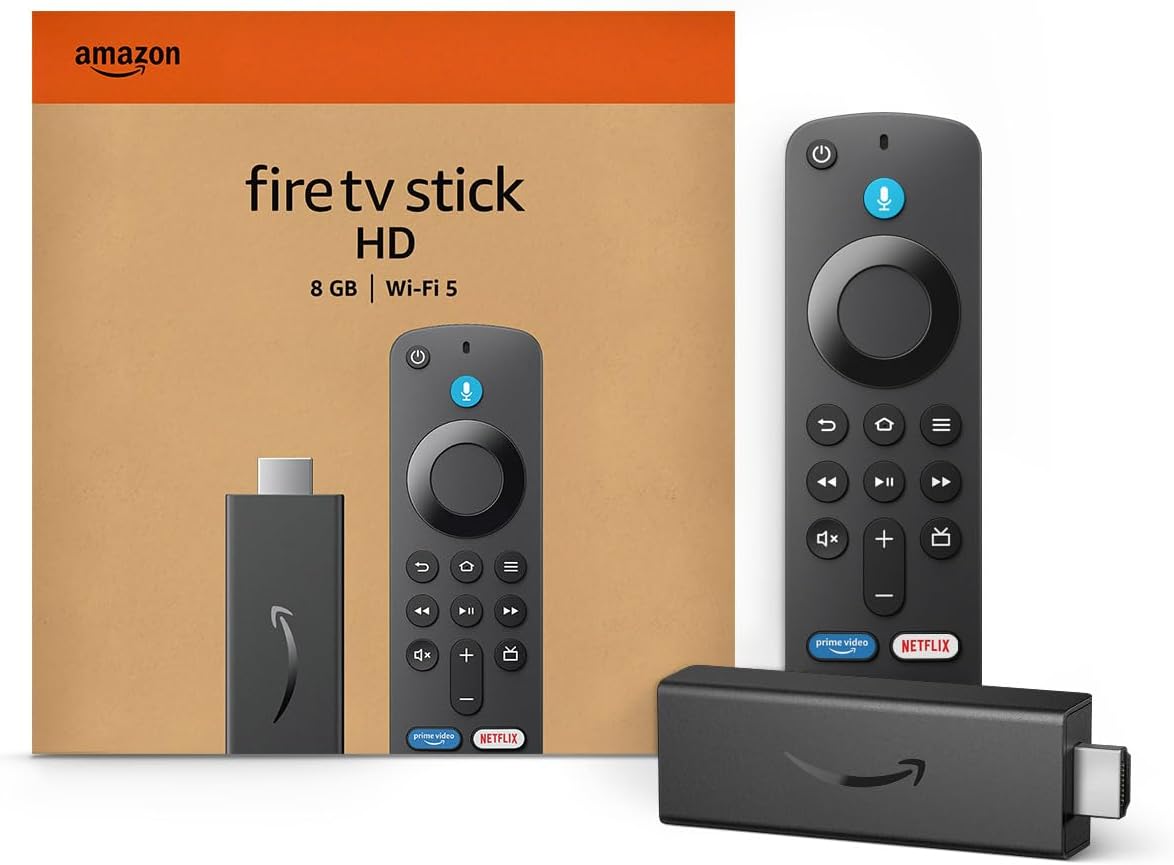
Amazon Fire TV Stick HD
Turn Any TV to a Smart TV. Stream Netflix, Prime Video & More. Alexa Voice Remote Included. Easy Plug & Play Setup.
Shop on Amazon
Understanding Samsung TV Storage Limitations
Storage on Samsung Smart TVs is a finite resource that can affect your device’s performance and app usage. Knowing what uses storage, how much space you have, and how errors appear helps you manage your TV’s internal memory effectively.
What Consumes Storage on Samsung Smart TVs
Several key factors contribute to storage being used on your Samsung TV. Installed apps are the primary consumers, as each app requires a certain amount of space to function. Apps like streaming services (Netflix, YouTube) and games can quickly add up.
In addition to apps, cached data and app-generated files take up space over time. As you use apps, temporary files to speed up performance accumulate and can become sizable. System updates also require storage both for the update files and temporary data during installation.
Finally, any downloaded or saved content within apps consumes internal storage. Although most Samsung Smart TVs don’t allow extensive local downloads, some apps may store content or settings locally, further reducing available space.
Typical Internal Storage Capacity
Samsung Smart TVs usually have between 4GB and 16GB of internal storage, depending on the model and year. Entry-level SUHD TVs and older models tend to have smaller capacity, often around 4GB to 8GB.
High-end and newer Samsung Smart TVs may offer more storage but still remain limited compared to devices like smartphones or computers. Not all this storage is available for apps since the system reserves some for the firmware and essential processes.
With limited internal storage, you’ll need to manage app installations and cache carefully to avoid running out of space. Knowing your TV’s total capacity helps you plan which apps to keep and which to uninstall if needed.
How to Check Available Storage Space
You can easily check how much available storage your Samsung TV has through the device’s settings menu. To do this:
- Press the Home button on your remote.
- Navigate to Settings > Support > Device Care.
- Select Manage Storage.
This screen shows your TV’s total storage, used space by each app, and free space remaining. It also identifies which apps occupy the most storage so you can decide which to remove or clear cache from.
Monitoring storage regularly helps prevent storage full errors and keeps your Samsung Smart TV running smoothly.
Recognizing Storage Full and Insufficient Storage Errors
When your Samsung TV’s internal storage is close to or at capacity, you’ll see warnings like “insufficient storage space” or “storage full.” These errors typically occur when installing new apps or updating existing ones, preventing completion of those functions.
You might also notice apps crashing or slower performance linked to lack of memory. The TV may fail to update its system firmware if free storage is insufficient.
It’s important to address these errors promptly. Restarting the TV, uninstalling unused apps, clearing app cache, or moving data to an external USB drive (if supported) can help resolve these issues and restore functionality. For a detailed approach on managing these errors, see guides on how to fix Samsung TV insufficient storage space.
Freeing Up Space on Your Samsung TV
To resolve storage issues on your Samsung TV, focus on removing unnecessary apps, clearing cached data, and managing stored files like photos and cookies. Each step directly frees up memory and helps your TV operate more efficiently.
Deleting Unnecessary Apps
Unused apps take up valuable storage space. Go to your TV’s Settings > Apps to see a list of installed applications. Identify apps you no longer use and select the option to Uninstall them.
Removing these apps not only saves storage but may also improve overall performance. Keep in mind that some pre-installed apps cannot be deleted, but disabling them if possible can reduce their impact. Regularly checking your app list helps maintain enough free space for new downloads and system updates.
Clearing App Cache and Data
Apps accumulate cache and data over time, which can consume significant storage. For TV models from 2020 onwards, you can clear this cache directly. Navigate to Settings > Device Care or Apps, select the app causing issues, and choose Clear Cache.
If problems persist, consider clearing app data, but note this will reset the app’s settings and require you to log in again. Clearing cache frees temporary files without affecting your app settings, making it a safe first step to reclaim storage.
Managing Photos, Cookies, and Downloaded Files
Photos, cookies, and downloaded files also occupy space. While photos are typically stored on your TV’s connected devices, ensure you review and delete unwanted images if stored internally.
Cookies and browsing data build up if you use the TV’s web browser. Clear these through Settings > Apps > System Apps > Browser > Clear Data or Clear Cookies. Delete unused downloaded files by accessing the File Manager or any storage app installed on your TV. Managing these files regularly prevents storage from filling up unexpectedly and ensures smoother operation.
For more guidance on these steps, see the detailed Samsung TV storage tips and troubleshooting techniques.
Expanding Storage with External Devices
You can increase your Samsung TV’s storage by connecting external devices. These devices provide additional space for apps, media, and files. Proper compatibility, connection, and formatting are key to making this work smoothly.
Using a USB Drive or Flash Drive
A USB flash drive is a simple, cost-effective way to expand your TV’s storage. You plug it into your TV’s USB port to offload some data or store apps externally. Flash drives are portable and easy to use, but their storage capacity is usually smaller compared to other options.
When selecting a USB drive, use one with a USB 3.0 interface for better transfer speeds. Your TV will recognize it automatically, but you may need to move apps or files manually if the system doesn’t do this. It’s ideal for additional storage of photos, videos, or smaller app data.
Connecting an External Hard Drive
For larger storage needs, an external hard drive is more suitable. These drives offer gigabytes to terabytes of capacity, making them reliable for storing big media libraries and numerous apps. You connect the hard drive to a USB port labeled “HDD USB” or similar to ensure compatibility.
Make sure your external hard drive is powered if required, as some larger drives need external power sources. This setup allows you to extend your storage without altering the TV’s internal memory, keeping your apps and media accessible without slowing down the system.
Supported File Systems: FAT32, exFAT, NTFS
Samsung TVs support several file systems for external storage devices. Most QLED and SUHD models handle FAT32, exFAT, and NTFS, allowing you flexibility in choosing your drive’s format. Full HD models usually support NTFS (Read Only), FAT16, and FAT32, with some limitations on write access.
- FAT32 is widely compatible but limits individual file sizes to 4GB.
- exFAT allows larger files and is compatible with newer devices.
- NTFS supports large files, but some TVs may only read from NTFS drives without write capability.
Check your TV’s settings to see which file systems are supported before formatting any external device.
Formatting External Devices for Compatibility
Before using an external device, you might need to format it on your TV for seamless compatibility. To format, connect the device, then go to Settings > General > External Device Manager and select the USB device, then choose Format as Device Storage.
Formatting erases all existing data, so back up important files first. This process prepares the device specifically for storing apps and media for your Samsung TV. If the TV doesn’t recognize the device initially, manually formatting it via a PC with the appropriate file system (exFAT or FAT32) can help ensure compatibility.
Advanced Solutions and Preventive Measures
Managing storage efficiently and maintaining your Samsung TV’s performance requires specific actions. You can reset system settings, keep your software up to date for better storage control, and take steps to avoid running out of space proactively.
Performing a Factory Reset on Samsung TVs
A factory reset restores your Samsung Smart TV to its original settings by erasing all downloaded apps, personal preferences, and data. This action can clear hidden cache and temporary files that take up storage but aren’t easy to remove manually. To perform a factory reset, press the Home button on your remote, go to Settings > General > Reset, and enter your PIN if prompted.
Before resetting, back up any important data or account information, as this process cannot be reversed. Factory reset is helpful if storage problems persist after clearing cache and deleting unused apps. It effectively gives your TV a clean slate, potentially resolving storage errors caused by software glitches.
Updating TV Software for Improved Storage Management
Samsung regularly releases software updates to optimize TV performance, including storage management improvements. Keeping your TV’s software current can fix bugs that cause storage errors or inefficient memory use.
To update your TV, navigate to Settings > Support > Software Update > Update Now. Ensure your TV is connected to the internet during this process. Automatic updates can be enabled to keep the system current without manual intervention. Updated firmware often includes smarter cache handling and better app storage integration, which helps prevent unnecessary storage issues.
Tips to Prevent Running Out of Storage
You can avoid storage shortages by adopting a few practices:
- Regularly delete unused apps: Periodically review and remove apps you no longer access.
- Clear app caches: Go to Settings > Support > Device Care > Manage Storage to clear cached data easily.
- Limit app downloads: Install only essential apps to reduce overall storage use.
- Use external storage devices when supported, connecting USB drives to expand available memory.
- Restart your TV occasionally to allow system cleanups.
Following these steps improves storage availability and helps maintain smooth operation of your Samsung Smart TV over time. For more detailed techniques, you can check guides on managing storage effectively for Samsung TVs.