
If your Samsung TV channels are not working, it often comes down to issues like weak signals, incorrect settings, or outdated firmware.
Checking your cable connections, performing a channel scan, and ensuring your TV’s software is up to date are key steps to restore your channels quickly.
These simple actions can resolve most problems without needing professional help.
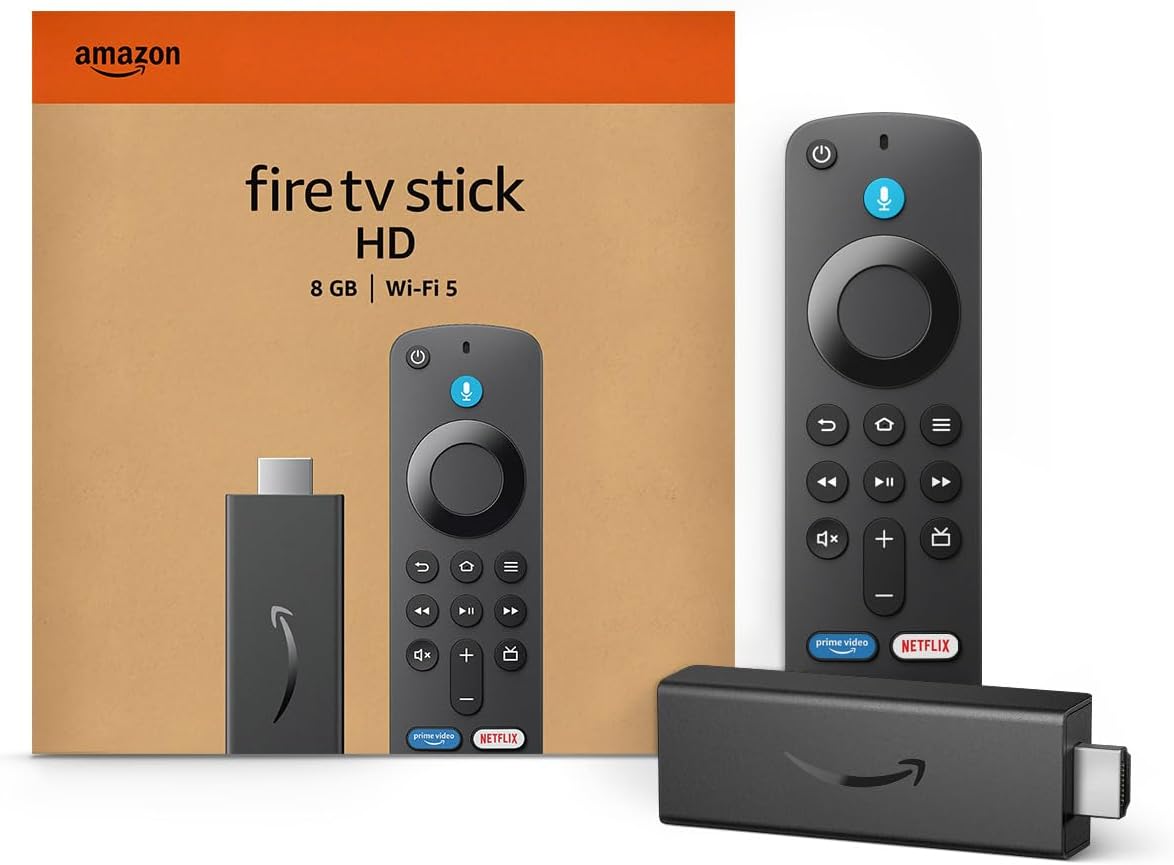
Amazon Fire TV Stick HD
Turn Any TV to a Smart TV. Stream Netflix, Prime Video & More. Alexa Voice Remote Included. Easy Plug & Play Setup.
Shop on AmazonSometimes the problem lies in selecting the wrong input source or having a faulty antenna.
Software glitches and hardware malfunctions can also interfere with channel reception, making it essential to methodically diagnose the cause.
Understanding why your channels aren’t working helps you fix the problem with confidence and minimal hassle.
For detailed troubleshooting advice, visit this comprehensive guide on Samsung TV channels not working.

Identifying Samsung TV Channel Issues
When your Samsung TV channels stop working, the problem can take several forms.
These range from missing channels to complete loss of signal.
Understanding the specific type of issue is essential for targeted troubleshooting.
Types of Channel Problems
Channel issues on Samsung TVs can fall into three main categories: missing channels, poor picture or sound quality, and no channel reception at all.
Missing channels often occur after a channel scan or firmware update, where your TV fails to find all available broadcast streams or cable services.
Poor picture or sound quality, including pixelation or audio dropouts, usually points to weak signal strength or interference.
Complete loss of channel reception means your TV no longer detects any channels.
This could be caused by hardware failures or incorrect input settings.
If you use Samsung TV Plus for streaming live channels, buffering or freezing may also indicate network or software problems rather than signal issues.
Common Causes for Inaccessible Channels
You may encounter inaccessible channels due to several root causes.
A weak or disconnected antenna or cable connection is one of the most frequent culprits.
Loose or damaged coaxial cables severely impact signal quality.
Incorrect input source selection—such as choosing HDMI when your antenna should be active—can also prevent channels from appearing.
Outdated firmware can cause software glitches that interfere with channel scanning and display.
Hardware problems like a faulty TV tuner, damaged ports, or issues with your cable box affect channel access as well.
In some cases, regional changes or broadcasting shifts require you to re-scan channels for updates.
Symptoms Indicating Channel Malfunction
Recognizing symptoms helps pinpoint the channel issue quickly.
If channels intermittently disappear or only a few are visible, you likely have a signal strength or antenna alignment problem.
Complete absence of channels, accompanied by “No Signal” or “Weak Signal” warnings, points to either a signal disruption or an input/source mismatch.
Experiencing freezing or buffering on Samsung TV Plus channels suggests software bugs or network problems.
Other signs include distorted images, no audio on some channels, or channels appearing out of order in your list.
These symptoms usually mean you need to perform a new channel scan, check your cables, or update your firmware to restore normal function.
For help with detailed troubleshooting, you can consult guides on Samsung TV channels not working.
Essential Diagnostics for Channel Reception
To restore your Samsung TV channels, you need to carefully examine the setup details that affect channel availability and reception quality.
Focusing on the accuracy of your channel list, connection types, and potential sources of interference will help you pinpoint the problem more efficiently.
Checking Channel List Accuracy
Start by reviewing your TV’s channel list.
On your Samsung Smart TV, this list reflects all saved channels after an auto tuning or channel scan.
If channels are missing or duplicates appear, the list may be incomplete or corrupted.
Perform a fresh auto tuning or channel scan through the Broadcasting menu to update and refresh the channel list.
This process allows your TV to detect all available over-the-air channels or those provided via cable.
If you use TV Plus or streaming channels, make sure those apps are up-to-date.
Incorrect channel saving or outdated lists often cause missing or misplaced channels on your Samsung system.
Verifying Internet and Antenna Connections
Check your antenna or cable connection first.
Ensure cables are tightly connected and free from damage or kinks.
If using an antenna, its placement and direction are critical; adjust it to achieve the best signal strength.
For Samsung Smart TVs relying on IPTV or TV Plus services, verify your internet connection’s stability and speed.
A slow or unstable connection can interrupt channel streaming or cause freezing, which may seem like a channel problem.
To confirm antenna signal strength, access the TV’s diagnostic tools in the Settings > Support > Self Diagnosis > Signal Information menu.
Weak or fluctuating signal strength will require repositioning your antenna or replacing cables.
Understanding Signal Interference
Signal interference can come from nearby electronics, physical obstructions, or even weather conditions.
Devices like Wi-Fi routers, microwaves, and cordless phones placed near your TV or antenna can degrade signal quality.
Metal objects, walls, or large furniture between your antenna and broadcast towers also reduce reception.
If you are in an area with heavy electrical interference, consider using a high-quality amplifier or a better-shielded coaxial cable.
Weather events such as storms can temporarily disrupt signals, so check channel reception under clearer conditions.
By isolating and minimizing these interference sources, you improve reception and reduce channel dropout or poor picture quality on your Samsung TV.
For detailed guidance on these diagnostics, visit a comprehensive resource on Samsung TV channels not working.
Advanced Troubleshooting and Fixes
You can resolve many stubborn Samsung TV channel issues by carefully updating software, retuning channels, adjusting settings, and addressing region-specific or app-related problems.
Each of these steps targets common causes while ensuring your TV operates at peak performance.
Running Software Update
Keeping your Samsung TV’s firmware up to date is crucial.
Updates often include bug fixes, security patches, and improvements for channel reception and app compatibility.
- Connect your TV to a stable internet network.
- Go to Settings > Support > Software Update.
- Select Update Now and wait for the process to complete.
- Your TV will restart automatically afterward.
If an update fails, verify your internet connection and try again.
Running the latest software optimizes your TV’s performance and can resolve channel-related bugs without further intervention.
Tuning Channels and Auto Scanning
If channels appear missing or incomplete, performing a channel tune or auto scan resets the list.
You should:
- Open the Settings menu.
- Navigate to Broadcasting > Auto Program (or Channel Scan).
- Choose the correct input source such as antenna or cable.
- Start the scan and wait until it finishes.
This process searches for all available channels and organizes them in your TV’s guide.
If you frequently move your TV or antenna, running a scan every few months helps maintain accurate channel listings.
Resetting Samsung TV Settings
When troubleshooting fails, a factory reset can clear corrupted settings affecting channels.
This action deletes customized settings, apps, and preferences, restoring the TV to its original state.
To reset your Samsung TV:
- Go to Settings > General > Reset.
- Enter your PIN (default is usually 0000).
- Confirm the reset and wait for completion.
After the reset, you must set up your TV again, including connecting to Wi-Fi and performing a new channel scan.
Use this option only when other troubleshooting steps have not resolved the issue.
Resolving Region and App Issues
Your TV’s region setting impacts channel availability and app functionality.
Incorrect or outdated regional settings can cause channels not to display or apps to malfunction.
Check and adjust your region by going to:
- Settings > General > System Manager > Location.
Select the correct country or region that matches your service provider.
Also, update or reinstall apps like Samsung TV Plus if channels within those apps are missing.
If app issues persist, clearing app cache or contacting Samsung support may be necessary for further assistance.
Managing and Enhancing Channel Experience
Optimizing your Samsung TV’s channel setup improves viewing convenience and prevents common issues.
You can organize your channel list to prioritize favorites, maximize Samsung TV Plus features for live content, and know precisely when to reach out to Samsung support for unresolved problems.
Customizing Channel List
You can streamline your channel navigation by editing your Samsung TV’s channel list.
Use the TV’s built-in menu to add, remove, or reorder channels.
This lets you keep frequently watched channels easily accessible and hide those you rarely use, reducing clutter.
To customize:
- Press the Home or Menu button
- Navigate to Broadcasting > Channel List
- Select channels to sort, delete, or add to favorites
Maintaining your channel list helps prevent confusion during tuning and scanning sessions.
Regularly updating it ensures you don’t miss new channels or lose access after rescans.
Using Samsung TV Plus Effectively
Samsung TV Plus offers free live streaming of numerous channels without needing a cable subscription.
To optimize this feature, ensure your TV’s firmware is up to date and maintain a stable internet connection.
If some TV Plus channels stop working, check your network or try restarting the TV.
Key tips:
- Regularly update the TV software under Settings > Support > Software Update.
- Reboot your TV and router if streaming buffers or channels fail to load.
- If issues persist, verify that the problem isn’t on Samsung’s end, as outages can occur.
Proper management of Samsung TV Plus lets you enjoy seamless access to live and on-demand content with minimal interruptions.
When to Contact Samsung Support
If channel problems continue despite troubleshooting, contacting Samsung support becomes necessary.
Reach out if you experience:
- Persistent signal or channel loss after rescanning
- Hardware issues like faulty ports or tuners
- Complex software glitches not fixed by updates or resets
Before calling, gather details such as your TV model, firmware version, and the exact nature of the problem.
Samsung support can guide you through advanced solutions, schedule repairs, or authorize service center visits if needed.
For detailed troubleshooting or support, visit the Samsung Community.