
Last updated on April 6th, 2026 at 11:44 am
If your Samsung TV is not connecting to your soundbar, the issue often lies in the HDMI ARC settings, cable compatibility, or the need to enable the Anynet+ (HDMI-CEC) feature on your TV. Ensuring your TV and soundbar are properly connected via the HDMI ARC port and that the right settings are enabled is key to restoring the audio connection. Using the correct HDMI cable version (1.4 or higher) and selecting the appropriate sound output on your TV can also resolve most problems.
Sometimes, simple troubleshooting like power cycling the devices or resetting your soundbar can fix connection issues without extra hassle. If you’re using third-party audio equipment, verifying compatibility and activating both HDMI CEC and ARC on each device is critical. Understanding these common points helps you quickly identify and solve why your soundbar isn’t working with your Samsung TV.
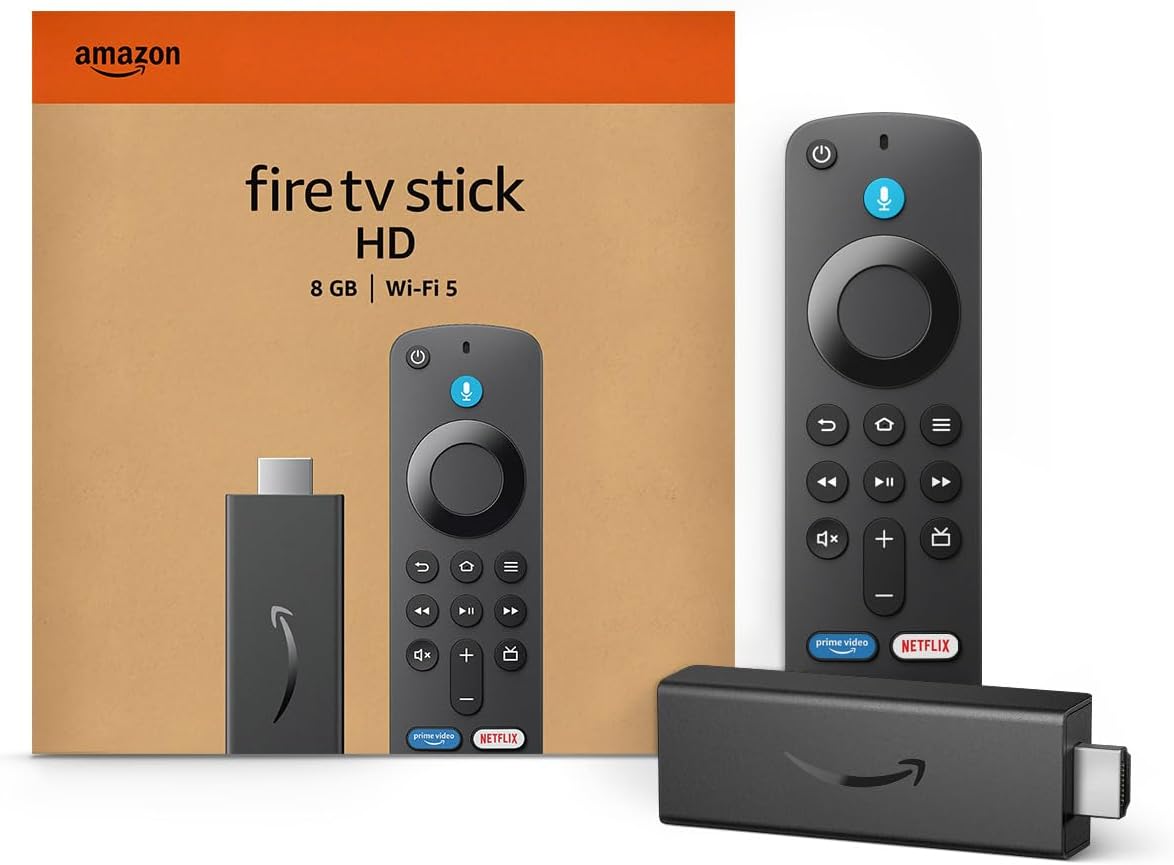
Amazon Fire TV Stick HD
Turn Any TV to a Smart TV. Stream Netflix, Prime Video & More. Alexa Voice Remote Included. Easy Plug & Play Setup.
Shop on AmazonFor more detailed guidance on fixing these connection problems and managing settings across different Samsung TV models, the information on Samsung’s official support page is helpful. It walks you through adjusting sound output, toggling Anynet+, and troubleshooting HDMI ARC connections to get your soundbar working seamlessly with your TV.

Common Causes for Connection Issues
Connection problems between your Samsung TV and soundbar often come down to settings, cables, and device behavior. Ensuring each component is properly configured and physically connected is key to resolving most issues.
Incorrect Source Mode or Input
Your Samsung TV and soundbar must be set to compatible input and output sources. If your soundbar is connected via HDMI ARC, make sure both devices use the HDMI ARC port. Using a regular HDMI port won’t work for audio return.
Confirm that your TV’s Sound Output is set to the external speakers or receiver (HDMI) instead of TV speakers. On newer Samsung TVs, this setting is usually found under Settings > Sound > Sound Output. For older models, it may appear under Menu > Sound > Speaker List.
If the input/source on your soundbar doesn’t match the connection (like selecting Bluetooth instead of HDMI ARC), you will get no audio. Double-check the input selection on the soundbar’s remote or manual controls.
Audio Output Settings Mismatch
Samsung TVs require specific audio settings adjustments when connected to external sound systems.
You must activate features like Anynet+ (HDMI-CEC) on your TV to allow the HDMI ARC channel to work correctly. This feature is found under General > External Device Manager. Without it enabled, your soundbar may fail to receive audio signals.
Format compatibility also matters. Samsung soundbars support PCM and Dolby Digital, but DTS support is limited to models before 2018. Ensuring your TV’s audio output is set to a supported format prevents no sound or distorted sound.
Setting audio output to passthrough or bitstream incorrectly can cause incompatibility. Check your TV sound settings and switch between PCM and Dolby Digital if you experience issues.
Wired and Wireless Connection Problems
Connection quality heavily relies on the cables or wireless link between your Samsung TV and soundbar.
With HDMI ARC or optical cables, low-quality or damaged cables can disrupt the audio signal. Use certified HDMI cables (version 1.4 or higher) and inspect for physical damage.
Wireless connections like Bluetooth face interference from other devices and physical obstacles. Distance between your TV and soundbar should be minimized to ensure stability.
Check that both devices are paired properly. If Bluetooth keeps disconnecting, try re-pairing or resetting both TV and soundbar to clear connection glitches.
When using HDMI ARC, power cycling both devices and unplugging cables briefly can reset the connection.
Power Supply and Hardware Interruptions
Power issues can silently block communication between your Samsung TV and soundbar.
If either device loses power unexpectedly, the HDMI ARC connection often fails to reinitialize. Always power off your TV first, then the soundbar to maintain the link.
Interruptions such as loose power cords or faulty power outlets can cause intermittent sound dropouts or no audio at all.
Hardware glitches sometimes require a soft reset or factory reset of the soundbar. On many Samsung soundbars, holding the volume buttons can trigger an initialization process to restore default settings.
Multiple devices sharing power strips or surge protectors may also cause interference. Plug your soundbar and TV directly into wall outlets to avoid this problem.
Proper power sequence and connection management ensures consistent communication between the TV and soundbar.
For more detailed steps on troubleshooting connection problems, you can visit this Samsung soundbar HDMI troubleshooting guide.
Step-by-Step Troubleshooting For Samsung TV and Soundbar
Ensuring your Samsung TV connects properly with your Samsung soundbar requires attention to connection types, audio settings, and device pairing. You will need to verify cables, adjust TV output options, reset connections, and possibly use Samsung’s SmartThings app for optimal setup.
Check and Secure All Connections
Start by inspecting every cable between your TV and soundbar. Use HDMI ARC if available, connecting the HDMI cable to the port labeled ARC on both devices. Optical cables must be firmly seated with any protective caps removed. Make sure the cable connects to the OUT port on the TV and the corresponding IN port on the soundbar.
If you use an auxiliary or Bluetooth connection, ensure the devices are paired and within range. Damaged or loose cables often cause no sound or intermittent audio, so try swapping cables to rule out hardware issues. Double-check power connections for both devices. Secure physical connections form the foundation for proper audio transmission on your Samsung devices.
If your existing cable is older than version 1.4, it may lack the bandwidth required for modern ARC/eARC handshaking; upgrading to a certified 8K HDMI 2.1 Cable ensures full compatibility with Samsung’s Anynet+ system and prevents the intermittent signal drops common with budget or outdated cables.

Select the Correct Audio Output
On your Samsung TV, open the Settings menu and navigate to Sound or Audio. Here, choose Speaker Select or Speaker Settings and select External Speaker or Receiver instead of the TV’s internal speakers. This action directs audio output to the soundbar.
If your soundbar is connected via HDMI ARC, enable Anynet+ (HDMI-CEC) on the TV under General > External Device Manager to allow seamless communication between devices. Set the soundbar input source to D-IN or TV ARC depending on your connection. Confirm volume is turned up and not muted on both devices.
If your TV lacks an external audio setting or output ports, try connecting your media sources directly to the soundbar instead and mute the TV speakers to avoid dual audio output.
Reset Wired and Bluetooth Connections
A soft reset can fix many common connection faults. Turn off your TV and soundbar, unplug them from power for at least 30 seconds, and then power them back on. For Bluetooth pairing issues, remove the soundbar from the TV’s paired device list and reinitiate pairing.
If your soundbar still doesn’t connect, perform a factory reset on the soundbar by pressing and holding the reset button or following the specific instructions in the user manual. This clears faults that might have occurred during use.
Test each wired connection after reset by switching inputs on the soundbar to match the cable connection. If you use Bluetooth, verify the devices are discoverable and within 10 meters of each other.
Use the SmartThings App for Setup
Samsung’s SmartThings app provides a unified platform to connect and control your TV and soundbar easily. Download and open the app on your smartphone, then add both your Samsung TV and soundbar as devices.
The app guides you through connecting the soundbar wirelessly or over wired connections with automated source and settings adjustments. You can control volume, switch inputs, and update firmware remotely, ensuring both devices stay compatible.
Using SmartThings also lets you troubleshoot and fix settings that might be incorrect on the TV or soundbar without navigating complex menus manually. This app is especially useful when you have multiple Samsung devices in your entertainment system.
For detailed steps and troubleshooting, visit Samsung’s official support at samsung.com.
Advanced Fixes and Maintenance
When your Samsung TV won’t connect to your soundbar despite basic troubleshooting, deeper steps are necessary. These include updating firmware to ensure compatibility, resetting systems to clear glitches, testing with other devices to isolate faults, and knowing when professional support is required.
Firmware Update Steps
Keeping firmware updated on both your Samsung TV and soundbar is critical. Manufacturers release firmware updates to fix bugs, improve connectivity, and address compatibility issues.
To update your TV firmware, go to Settings > Support > Software Update > Update Now. Make sure your TV is connected to the internet before starting. For the soundbar, visit Samsung’s support website to download the latest firmware onto a USB drive, then connect it to the soundbar’s USB port to initiate the update.
Performing these updates can resolve many connection problems without more complex troubleshooting. If the update fails, verify your internet connection or try again later.
Factory Reset Procedures
Resetting your Samsung TV or soundbar to factory settings can clear persistent configuration errors blocking connectivity. On your TV, navigate to Settings > General > Reset, then enter your PIN (default 0000) and confirm.
For your soundbar, a factory reset process varies by model but typically involves holding specific buttons on the remote or device—often the Volume Down and Power buttons together for several seconds.
Note that factory resets erase personalized settings, so you will need to set up inputs, network settings, and sound preferences again. Use this as a last step if updates and cable checks don’t fix the issue.
Testing with Alternate Devices
To determine if the problem lies with your TV, soundbar, or cables, testing with other devices is important. Connect your soundbar to a different TV using the same HDMI ARC or optical input. Similarly, try connecting your TV to another external speaker system.
If the soundbar works with the alternate TV, the issue likely resides with your original TV’s settings or hardware. If it does not, your soundbar or cables may need service.
Testing with multiple devices helps pinpoint where the fault exists, saving unnecessary replacement or service expenses.
When to Contact Samsung Support
You should contact Samsung support if firmware updates, factory resets, and testing different devices don’t resolve the connection problem. Persistent issues could indicate hardware faults in either the TV or soundbar.
Gather your model numbers, purchase details, and a description of your troubleshooting steps before contacting support for faster assistance. They can provide advanced diagnostic help, schedule repair service, or offer replacement guidance.
Samsung’s customer service is equipped to handle complex soundbar and TV connectivity issues that standard fixes cannot solve.
Optimizing Your Samsung TV and Soundbar Experience
To get the most from your Samsung TV and soundbar setup, focus on choosing the right connection type, maintaining your devices regularly, and adjusting audio settings to match your environment. These steps ensure clear sound, seamless compatibility, and a consistent user experience.
Best Connection Types: HDMI, Optical, Bluetooth
The HDMI ARC (Audio Return Channel) connection provides the highest sound quality and supports the latest audio formats such as Dolby Digital and DTS. It also allows your TV remote to control the soundbar’s volume, enhancing convenience.
If HDMI ARC isn’t available, use an optical cable. This provides decent audio quality but lacks remote control integration and support for some advanced audio formats.
For Samsung TVs that experience persistent HDMI handshake glitches, switching to a high-quality iVANKY Digital Optical Audio Cable is a reliable workaround that provides a stable, interference-free Toslink connection without the software conflicts sometimes found in HDMI-CEC setups.

Bluetooth offers wireless convenience but may introduce latency or connection interruptions. Use Bluetooth when cables aren’t an option, but prioritize wired connections for consistent performance.
When connecting, ensure cables are fully inserted and ports are clean. Select the correct input source on your soundbar, and in your Samsung TV’s audio settings, choose the matching output type.
Regular Maintenance Tips
Keep your soundbar and TV firmware updated to fix bugs and improve compatibility. Check Samsung’s official website for updates or use the TV’s software update feature.
Regularly inspect cables for damage and replace them if frayed or worn. Avoid bending or twisting cables tightly to prevent connection issues.
Clean your devices carefully with a dry, soft cloth. Avoid liquids, which can damage electronics. Dust buildup around ports may cause poor connections, so keep those areas clear.
Turn off both devices before making any cable adjustments to prevent hardware issues. Also, reset the soundbar and TV if you notice irregular behavior after updates or configuration changes.
Enhancing Audio Performance
Adjust audio settings on your Samsung TV to optimize sound for your room and preferences. Set the TV’s audio output to “External Speaker” or “Soundbar” to ensure sound routes properly.
Disable any TV-based virtual surround sound features when using your soundbar to avoid conflicts that degrade audio quality. On the soundbar, customize EQ settings if available, focusing on clarity and bass balance.
Position your soundbar centrally below the TV and avoid blocking the speakers. Surround sound models may require placing satellites at ear level for optimal effects.
Use your Samsung soundbar’s app or remote control to fine-tune volume, bass, and treble to suit your space. Proper adjustments help you achieve clearer dialogue and richer sound without distortion.
For more detailed connection advice, consider guides on how to connect your Samsung soundbar to TV.