
If your Samsung TV screen is flickering, it can disrupt your viewing experience and signal an underlying issue that needs attention. The most common causes include faulty source devices, loose or damaged cables, incorrect picture settings, or hardware problems within the TV itself.
You should start by checking your connections and switching input sources to identify if the issue lies outside the TV. Adjusting picture settings, disabling eco sensors, or updating the firmware can often resolve flickering without professional help.
If these steps don’t work, the problem might be related to internal components like the T-Con board or ribbon cables. Understanding these causes will help you take appropriate action to restore a stable, clear picture on your Samsung TV. For detailed troubleshooting, visit this guide on how to fix a Samsung TV flickering screen.
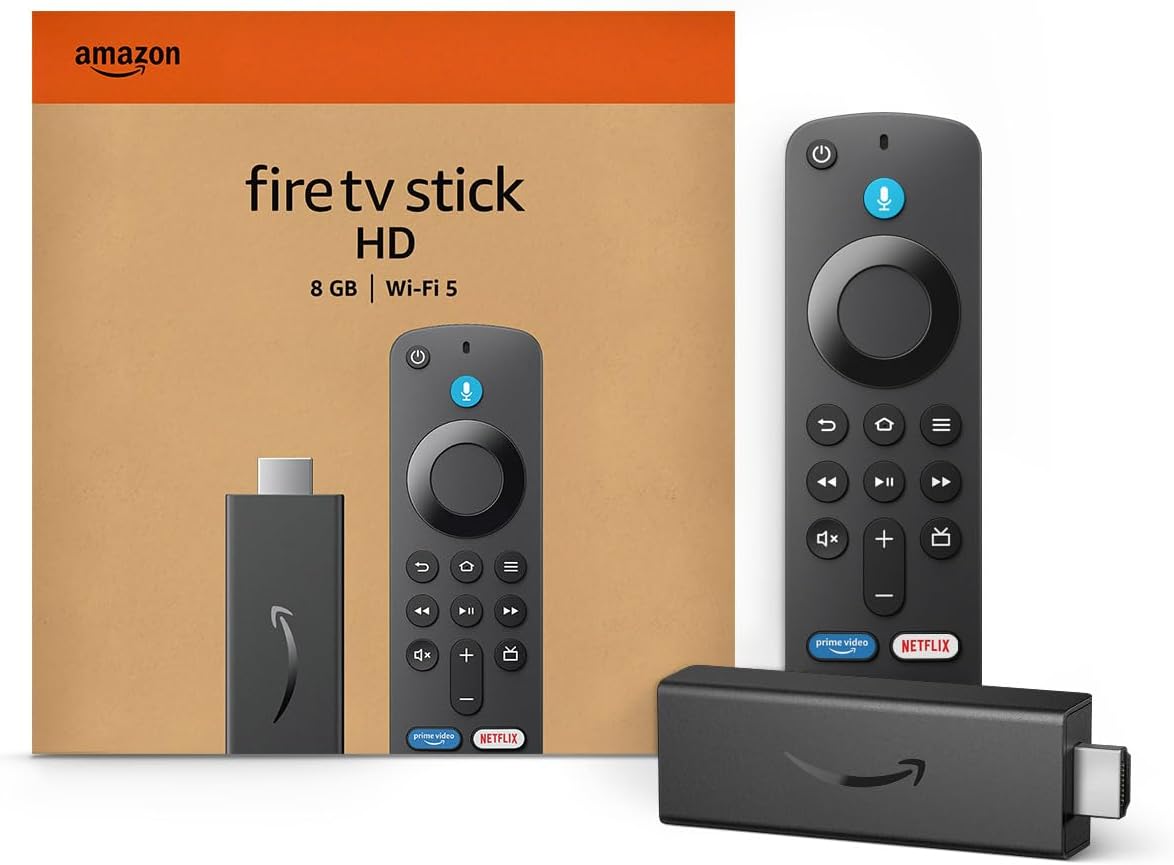
Amazon Fire TV Stick HD
Turn Any TV to a Smart TV. Stream Netflix, Prime Video & More. Alexa Voice Remote Included. Easy Plug & Play Setup.
Shop on Amazon
Core Causes of Samsung TV Flickering
Samsung TV flickering can be traced to specific issues involving connections, settings, hardware, or signal reception. Identifying the cause requires attention to cables, software, internal components, and signal quality. Each factor affects your TV’s display stability differently.
HDMI and Power Supply Issues
Loose or damaged HDMI cables are frequent culprits behind screen flickering. A poor or intermittent connection disrupts data transfer to your Samsung TV, causing the flicker. You should inspect both HDMI and power cables for wear or poor fit. Replacing old or low-quality HDMI cables with certified versions like HDMI 2.1 often resolves the problem.
Power supply inconsistencies can also cause flickering. If your TV’s power cord or outlet delivers unstable power, the backlight inverter may not receive consistent energy, resulting in flicker. Using a dedicated power strip or checking wall outlets can help stabilize the supply.
Performing HDMI troubleshooting via your TV’s settings can detect issues with input sources or ports. Testing different HDMI ports and input devices narrows down the source of flickering related to cables or power.
Settings and Software Factors
Incorrect picture settings or enabled energy-saving features can trigger flickering on your Samsung TV screen. Features like the Eco Sensor adjust brightness based on ambient light, which sometimes malfunctions and causes rapid brightness changes.
Energy-saving modes can reduce screen output intensity, leading to a flickering effect. Disabling both Eco Sensor and energy-saving features often improves stability.
Software also plays a crucial role. Outdated or corrupted firmware can cause display glitches. You should regularly check for and install software updates from Settings > Support > Software Update. A firmware upgrade can fix bugs affecting screen performance.
Resetting picture settings to factory defaults and adjusting brightness and contrast to moderate levels helps remove flicker caused by misconfiguration. Selecting an appropriate picture mode, such as Standard or Movie, can further reduce flicker in varying lighting conditions.
Hardware Malfunctions
Internal hardware faults are a serious reason your Samsung TV screen may flicker. The T-Con board, which controls the LCD signals, can develop loose or dusty ribbon cable connections. Cleaning and reseating these cables might fix the flickering.
The backlight panel and its inverter are crucial for stable display illumination. If the inverter’s power supply is inconsistent or the panel is failing, flicker becomes visible. Signs include uneven brightness or rapid changes in screen intensity.
Diagnosing hardware problems usually involves opening the TV back panel, which should only be done if you’re confident or by a professional. Persistent flickering despite cable and software fixes often points to these hardware components.
Signal Quality Problems
Poor digital channel signal strength directly affects your Samsung TV’s picture quality. If the Signal-to-Noise Ratio (SNR) falls below 20dB, you may experience flickering caused by weak or unstable reception.
You can check your TV’s signal strength in Settings > Support > Device Care > Self Diagnosis > Signal Information. Improving antenna positioning or upgrading cables may boost signal quality.
Sometimes, a faulty source device sends distorted signals, which causes flicker. Testing alternate input sources helps identify if the problem lies with external devices rather than the TV itself. Ensuring your input matches the TV’s refresh rate also mitigates flicker related to timing or signal mismatch.
For more detailed troubleshooting, see the Samsung TV flickering detailed solution.
Step-by-Step Troubleshooting Methods
Addressing Samsung TV flickering often involves a series of practical checks and adjustments. These target power issues, HDMI connections, and built-in diagnostic tools to isolate and fix the problem effectively. Follow these detailed steps to narrow down the cause and apply the right solution.
Restart and Power Cycle Procedures
Start by restarting your Samsung Smart TV to clear temporary glitches. Use the remote to navigate to Settings > General > Reset if a soft restart doesn’t help. This can resolve minor software issues leading to flickering.
If flickering persists, perform a full power cycle. Unplug your TV from the power outlet completely and wait for 2 to 3 minutes. This resets the power supply circuits and can eliminate faults caused by overheating or power fluctuations.
Avoid quick re-plugging; allowing the capacitors to discharge fully ensures a clean reset. After reconnecting, power on the TV and check if the screen flickering stops. This method is often effective against flickers caused by software or power irregularities.
Inspecting and Replacing HDMI Cables
Faulty or low-quality HDMI cables are a common reason for flickering, especially with 4K or HDR content that demands HDMI 2.1 bandwidth. Examine your HDMI cables for visible signs such as kinks, frayed ends, or loose connectors.
Replace older or damaged cables with certified high-speed HDMI 2.1 cables to support the latest standards. This ensures stable data transmission and reduces flickering related to signal loss or interference.
When changing cables, keep cable length reasonable; longer cables above 3 meters can degrade signal quality. Also, avoid running HDMI cables parallel to power lines to minimize electromagnetic interference that triggers flickering.
Testing HDMI Ports and Connections
Sometimes, the issue lies in the HDMI ports or how devices connect rather than the cables themselves. Try plugging your cable into a different HDMI port on your TV to rule out a faulty port.
Use the Samsung TV’s HDMI Troubleshooting feature found in Settings > Support > Device Care > Self Diagnosis. It can detect irregularities in the HDMI connection and suggest fixes or highlight faulty ports.
If you use external devices like set-top boxes or game consoles, verify their firmware updates and cables. Incorrect input resolution settings on devices can also cause flickering, so match the output resolution with your TV’s native support for optimal performance.
Self-Diagnosis and Picture Test
Samsung TVs come with built-in self-diagnosis tools to help spot issues causing screen flickering. Access these via the remote: Settings > Support > Device Care > Self Diagnosis.
Run the Picture Test to see if the TV screen itself flickers without external inputs. If the picture test passes and flickering only occurs with connected devices, the problem likely lies outside the TV.
Additionally, check the Signal Information if you use an antenna. Weak digital broadcast signals can cause flickering, as low signal strength or poor SNR leads to unstable images. This function is especially useful for over-the-air antenna users.
These diagnostics simplify problem identification and inform whether a factory reset or professional repair might be necessary.
Optimizing TV Settings to Prevent Flickering
To reduce flickering on your Samsung TV, you need to fine-tune several settings directly related to the picture quality, energy management, and motion handling. These adjustments help eliminate unwanted screen fluctuations caused by automatic brightness changes, power-saving features, or incompatible refresh rates.
Adjusting Picture Settings
Start by resetting or tweaking your picture settings to stabilize the display. Flickering can often result from overly aggressive contrast, brightness, or backlight levels. Go to Settings > Picture > Expert Settings on your Samsung smart TV and reset the picture to default values if you haven’t already.
If you prefer customizing, reduce the Minimum Backlight setting slightly. High backlight levels may cause flickers on some models. Avoid extreme contrast and brightness adjustments as they can stress the panel and lead to intermittent flickers.
Also, disable any dynamic contrast or local dimming features temporarily to check if they are causing the issue. These options dynamically alter brightness and contrast, sometimes causing visible flickering.
Managing Ambient Light Detection Features
The Samsung TV’s Ambient Light Detection or Eco Sensor monitors room lighting and automatically adjusts the screen brightness to save energy. While useful, this feature can cause brightness to fluctuate frequently, resulting in flickering.
You can disable this by navigating to Settings > General > Eco Solution. Turn off Ambient Light Detection or Eco Sensor. This stops the TV from adjusting brightness in response to changes in room lighting, providing a steadier image.
If you want some energy efficiency without flickering, consider manually setting a fixed brightness instead of leaving it on automatic. This is especially helpful in rooms where the light level changes rapidly.
Disabling Energy Saving Modes
Samsung’s Energy Saving Mode reduces power consumption by adjusting brightness and other settings, but it can cause unstable screen behavior like flickering.
To disable this, go to Settings > General > Eco Solution > Energy Saving Mode and turn it off. On some Samsung TVs, this setting might be called Power Saving or integrated with ambient light controls.
If flickering stops after disabling, energy-saving features are likely the cause. Turning them off will increase power usage slightly but improves picture stability considerably.
Ensuring Proper Refresh Rate
Running your TV at an incompatible or excessively high refresh rate can cause flickering or judder. You should check and adjust the refresh rate in Settings > Picture > Expert Settings (or Picture Options) > Auto Motion Plus.
Try reducing the refresh rate to a lower setting or turning off motion smoothing features. These adjustments reduce processing strain and prevent screen glitches.
If you connect external devices via HDMI, matching their output refresh rate to your Samsung TV’s native rate can also prevent flickering. Use your TV’s self-diagnosis tools to confirm the issue relates to refresh rate or motion handling.
Advanced Solutions and Preventive Measures
Resolving flickering issues often requires more than basic troubleshooting. Addressing software, signal quality, and hardware conditions will improve your Samsung Smart TV’s performance and help prevent future problems.
Updating TV Software and Firmware
Keeping your Samsung TV’s software updated is crucial. Software updates often include fixes for bugs that can cause flickering and other screen issues. To update, press the Home button, then go to Settings > Support > Software Update and select Update Now. If an update is available, install it promptly.
Regular updates optimize device care and ensure compatibility with apps and external devices. If flickering persists after updating, consider performing a factory reset to restore default settings. This can clear corrupted files but make sure to back up any important data before resetting.
Assessing Signal Strength and SNR
Flickering can sometimes be caused by weak broadcast signals rather than the TV itself. You can check your digital channel signal strength and SNR (Signal-to-Noise Ratio) by navigating to Settings > Support > Device Care > Self Diagnosis > Signal Information. An antenna signal count below 4 or an SNR below 20 typically indicates poor reception.
If the signal is weak, adjust or reposition your antenna, or contact your cable provider. Also, inspect HDMI cables and ports, ensuring all external inputs are secure and functioning properly, since faulty connections can also cause flickering.
When to Seek Professional Repair
If software updates, signal checks, and cable inspections don’t resolve flickering, you may be facing a hardware issue. Problems with internal components like the power board, T-Con board, or backlight can cause persistent flickering.
Seek professional repair if your TV continues to flicker after trying the usual troubleshooting steps, especially if factory reset and cable swaps have no effect. Certified technicians can diagnose hardware faults and replace faulty parts, potentially extending your TV’s lifespan. Avoid opening the TV yourself to prevent voiding warranties or causing further damage.
For more detailed steps and guidance on these solutions, refer to the official Samsung flickering issues support.