

Last updated on January 7th, 2026 at 10:48 am
If your LG TV is showing a “not enough storage” message, it means the internal memory is full. This prevents you from installing new apps or causes performance issues.
You can fix this by deleting unused apps, clearing cached data, or using external storage devices like USB drives to free up space. These steps can also improve your TV’s responsiveness.
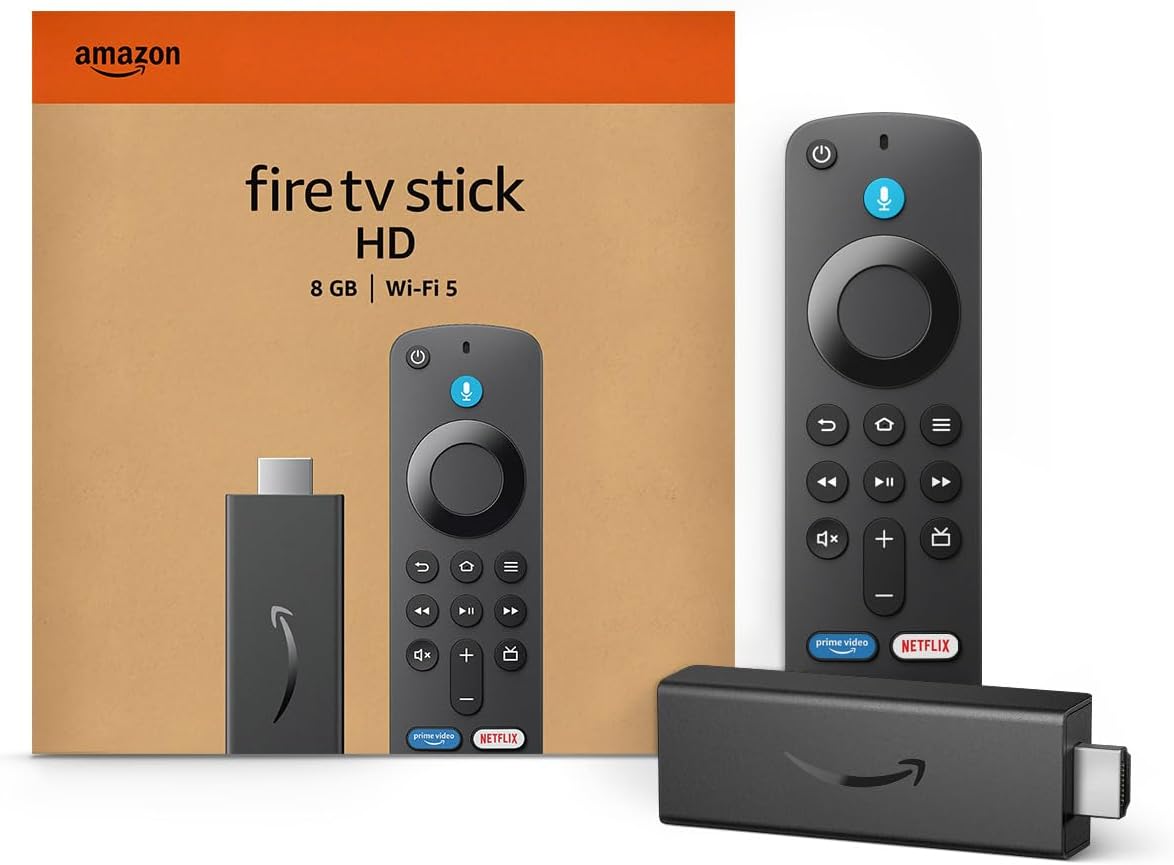
Amazon Fire TV Stick HD
Turn Any TV to a Smart TV. Stream Netflix, Prime Video & More. Alexa Voice Remote Included. Easy Plug & Play Setup.
Shop on AmazonUnderstanding how to manage your TV’s storage is essential because LG TVs have limited built-in memory designed mainly for system operations and a few apps. Without proper maintenance, this storage fills up quickly, which may result in slow performance or crashes when streaming services struggle to load.

Understanding LG TV Storage Limitations
Your LG TV’s storage plays a crucial role in its functionality, directly affecting the number of apps you can install and how smoothly the TV operates. Storage constraints arise from the physical limits of internal memory and the way data accumulates over time through apps, cache, and system updates.
How Internal Storage Works on LG TVs
LG Smart TVs come with a fixed amount of internal storage that houses your apps, system files, and cached data. This storage varies by model but typically ranges between 4GB to 8GB.
Unlike external devices, this memory isn’t expandable on most LG models. Your TV’s operating system manages this storage by allocating space for essential system files first.
Apps you install consume the remaining capacity, along with temporary cache files created to speed up app performance. If many apps accumulate cache data, it reduces available storage significantly.
Since the internal storage is limited, you need to monitor your usage carefully. Deleting unused apps and clearing cache periodically can help you maintain free space and prevent errors related to insufficient storage.
Common Causes of Storage Issues
Several factors contribute to storage problems on your LG TV. First, installing multiple apps rapidly consumes internal memory, especially larger streaming apps like Netflix or Amazon Prime Video.
These apps also generate cache that grows over time. System updates can occupy additional space by replacing or adding system files.
While necessary, updates sometimes reduce the free storage available for apps. Another cause is recorded content if your model supports program recording.
Large amounts of stored recordings will fill storage quickly. Running multiple apps simultaneously or keeping apps running in the background can strain your TV’s limited RAM and storage, resulting in slower performance and space warnings.
Impact of Limited Storage on Performance
When your LG TV’s storage nears capacity, you will notice performance degradation. Common symptoms include freezing, slow app loading, and “not enough storage” warnings during app installation or updates.
Streaming services might fail to load or stall at startup, as the TV cannot buffer data efficiently. In some cases, apps may crash or the TV experience will become sluggish.
Limited storage also restricts your ability to install or update apps, affecting the range of services you can access. If internal memory is overwhelmed, background system processes struggle, which can cause overall instability.
Diagnosing Storage Problems on Your LG Smart TV
Understanding your LG Smart TV’s storage status and related issues is essential to managing performance and avoiding app failures. Your TV’s memory and storage limitations can cause sluggishness or errors, especially if apps or cached files accumulate without oversight.
Knowing what signs to watch for and how model differences affect these issues helps you diagnose problems effectively.
Checking Storage Capacity and Usage
You can check your LG Smart TV’s available storage by navigating to Settings > Storage & Reset. This menu shows your total storage and how much is occupied by apps and system data.
Because LG TVs have limited internal storage, it’s common to see usage close to capacity after installing several apps or updating the TV’s firmware. Look for storage values often expressed in gigabytes (GB), such as “4.01/5.76 GB,” indicating used versus total storage.
If used storage approaches or exceeds 80%, your TV might struggle to install new apps or run existing ones smoothly. Clearing cache or deleting unused apps is necessary to free space.
You cannot remove some pre-installed apps like LG Channels, which can limit your available storage further.
Recognizing Out of Memory Symptoms
Your TV may display warning messages like “Not Enough Memory” or “Restart the app to ensure efficient memory use” when storage runs low. You might notice apps crashing, freezing, or failing to load, especially heavy streaming services such as Netflix or YouTube.
The TV may also reboot unexpectedly when trying to run large web pages or apps, indicating insufficient RAM or storage. Performance issues often coincide with these symptoms: sluggish navigation, long app load times, or apps closing unexpectedly.
If your LG Smart TV shows a “Memory Full” error, restarting it temporarily frees memory but deleting unused content is a more permanent fix. Regularly monitoring for these signs helps prevent service interruptions.
Differences By Model and webOS Version
Storage management specifics vary depending on your LG Smart TV model and webOS version. TVs running WebOS 6.0 (2021) or WebOS 22 (2022) allow you to delete apps via the Home menu by entering Edit App List, making app removal straightforward.
Older versions like WebOS 5.0 require you to press and hold an app icon to delete it. Models released before 2012 or earlier webOS versions may no longer support the latest web standards or app updates, resulting in memory-related app failures.
These devices have more limited system memory and storage, making them prone to out-of-memory errors when handling modern apps or complex web pages. Your TV’s firmware version can also impact how efficiently it handles memory allocation.
Regularly updating your TV’s software ensures better memory management and compatibility with current apps.
Effective Ways to Free Up Space on LG TVs
Low storage on your LG TV can cause apps to crash, slow down performance, or prevent streaming services like Netflix from loading properly. Managing the space involves clearing temporary data, removing unused apps, and considering resets or browsing habits.
Clearing App Cache and Browsing Data
App cache and browsing data accumulate over time and consume valuable internal memory. Clearing these can significantly improve available storage and boost app responsiveness.
To clear cache, access Settings > Storage & Reset > Internal Storage > Apps on your LG TV. Select the app consuming the most space, then choose Clear Cache.
This removes temporary files without deleting your app or data. Additionally, clearing browsing data in the TV’s internet browser removes cached images, cookies, and history, freeing up extra room.
This is especially useful if you frequently stream or browse directly on the TV. Regularly clearing cache helps prevent slowdowns caused by stored junk files and can resolve freezing or loading issues with apps like Netflix.
Removing or Disabling Unused Apps
Apps take up a significant portion of your TV’s limited storage, especially if you install many over time. Removing those you no longer use frees up space immediately.
Open the Apps section from the home screen, find apps you rarely or never open, press and hold the OK button, and select Delete. This uninstalls the app and clears associated data.
If deletion isn’t possible, some LG TV models allow app disabling. Disabling stops the app from running or updating, reducing memory load without removal.
Periodically review installed apps and remove outdated or unnecessary ones to keep your storage optimized and prevent out-of-memory errors.
Restarting, Updating, and Factory Resetting
Simple actions like restarting your TV can clear temporary files and resolve minor performance issues. A reboot often frees up storage used by background processes.
Keeping your LG TV’s software up to date is crucial. Software updates may optimize memory use and patch bugs related to storage management.
Check under Settings > General > About this TV > Check for updates to install the latest version. If persistent storage issues remain, a factory reset resets your TV to default settings and deletes all user data, apps, and cached files.
Back up important data before resetting since this process cannot be undone. Perform a reset by navigating to Settings > General > Reset to Initial Settings.
Utilizing Private Browsing and Reducing Downloads
Using private browsing modes when streaming or browsing on your LG TV minimizes stored data. This mode disables caching of browsing history, cookies, and temporary files, reducing unnecessary memory use.
Limiting downloads of offline content such as shows or movies also preserves storage. Streaming services like Netflix allow you to download episodes, but if these files accumulate, they can fill your TV’s memory fast.
Regularly review and delete downloaded content you no longer need via the app’s download manager to reclaim space without impacting streaming options.
By controlling how data accumulates in your TV’s storage through browsing habits and managing offline files, you help maintain consistent performance.
For more on freeing up space and fixing LG TV memory full issues, see this detailed guide.
Enhancing and Managing Storage for Ongoing Use
Managing your LG TV’s limited storage requires both expanding space where possible and controlling how you use it. You can add external devices to increase capacity, manage installed apps carefully, and take steps to avoid recurring storage problems that affect performance and app usability.
Expanding Storage with External Devices
You can connect a USB drive or external hard drive compatible with your LG TV to increase available storage. This allows you to store large files like movies or games externally, freeing the internal memory.
Be sure to check that the device’s file system is supported by your TV to avoid recognition issues. Using external storage also helps when you want offline access to media.
You can transfer downloaded content such as movies and launch apps without overloading the TV’s internal space. However, not all apps or TV models support installing or running directly from external drives, so verify this capability in your TV’s manual.
External devices offer a convenient and cost-effective way to increase storage without deleting frequent-use apps or data.
Optimizing App and Content Choices
Your LG TV has limited internal storage—typically just a few gigabytes—so you must prioritize which apps and content stay installed. Delete or disable apps you rarely use to free up space.
Even if some apps cannot be fully removed, disabling them reduces memory usage. Regularly clear cache data from apps and the web browser to prevent temporary files from accumulating.
This can be done through the Application Manager under system settings. Also, close apps running in the background, as they consume both memory and processing power.
Streaming most content online instead of downloading can save significant storage. When possible, watch movies and shows directly via streaming apps rather than storing local copies.
Preventing Future Storage Issues
Keep at least 25% of your LG TV’s storage free to maintain smooth performance and avoid “out of memory” errors. Set a reminder to periodically check storage status and remove unused apps or files.
Update your TV’s firmware regularly. Software updates often include system optimizations that better manage storage and improve efficiency.
If you experience persistent storage errors despite these actions, consider performing a factory reset as a last resort. Back up important account information first.
For detailed steps on freeing storage and managing apps, you can refer to resources on how to clear cache and delete apps on LG TVs.