

Last updated on January 7th, 2026 at 10:48 am
If your LG TV is not mirroring your device’s screen, the issue often comes down to simple factors like incorrect input mode, weak Wi-Fi connection, or device compatibility.
Ensuring your TV is set to the correct screen mirroring input and both devices are on the same network often solves the problem quickly.
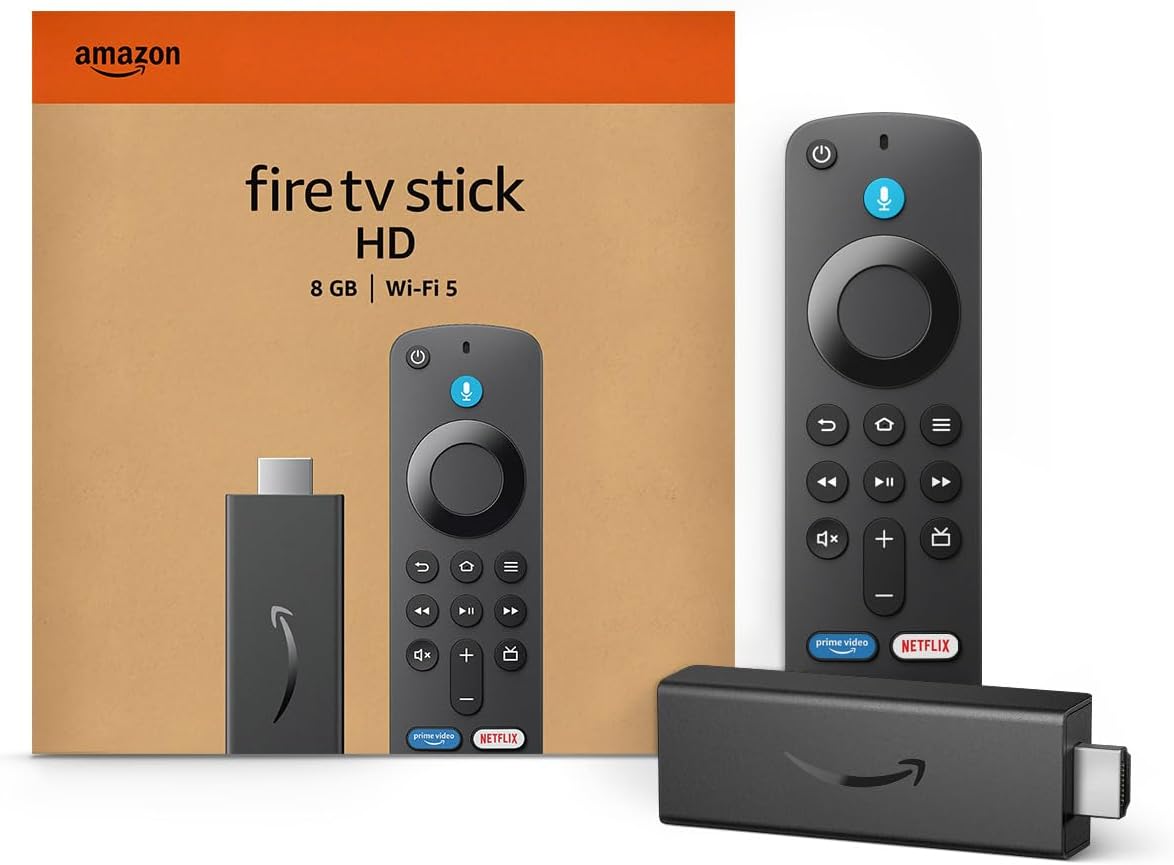
Amazon Fire TV Stick HD
Turn Any TV to a Smart TV. Stream Netflix, Prime Video & More. Alexa Voice Remote Included. Easy Plug & Play Setup.
Shop on AmazonMany users overlook changing the input mode from HDMI or other sources to Screen Share, which is necessary for mirroring to work.
Your device and TV must support compatible screen sharing standards like Miracast, AirPlay, or Google Cast depending on your device type.
Interference from Bluetooth devices, multiple connected devices, or outdated TV firmware can also cause disruptions.
Knowing the common causes helps you address the problem without unnecessary frustration or guesswork.
By checking network connections, updating firmware, and confirming device compatibility, you can avoid most common issues with LG TV screen mirroring.
For more detailed troubleshooting, including step-by-step fixes, visit this LG Screen Share Not Working guide.

Key Reasons LG TV Is Not Mirroring
When your LG TV fails to mirror your device’s screen, it often comes down to specific issues tied to the devices, network, software, or content restrictions.
Identifying these factors helps you focus your troubleshooting effectively and restore the screen mirroring functionality.
Device Incompatibility
Not all devices are compatible with LG TV screen mirroring.
Your smartphone, tablet, or computer must support the specific mirroring protocols that your LG TV uses, such as Miracast or AirPlay 2 (for newer models from 2018 onward).
Older devices may lack the necessary hardware or software capabilities to connect properly.
For example, if your phone uses a casting technology that the LG TV doesn’t support, the connection will fail.
Always check your device’s specifications and the LG TV’s supported mirroring methods before beginning.
Using the LG ThinQ app or official screen mirroring apps can help with some devices but won’t resolve fundamental hardware incompatibility.
Network Connection Issues
Screen mirroring requires a strong and stable Wi-Fi connection shared between your LG TV and the device you want to cast from.
If either device is on a weak or different network, the screen mirroring feature may not detect the other device.
Network interference, router settings, or multiple frequency bands (2.4 GHz vs. 5 GHz) can also cause connection failures.
Ensure both devices connect to the same network frequency band.
Restarting your router or resetting network settings on your LG TV often resolves such issues.
If your network has firewall rules or security software enabled, these might block network traffic essential for mirroring to function.
Outdated Software or Firmware
Outdated software on your LG TV or device can introduce bugs or remove compatibility with newer mirroring protocols.
LG regularly releases firmware updates designed to fix these issues and improve connectivity performance.
To avoid screen share not working, verify your TV’s firmware is up to date through the settings menu.
Likewise, update your smartphone, tablet, or computer operating system to the latest version.
Software updates often fix bugs and optimize network connectivity critical for screen mirroring.
Copyright Protection & App Restrictions
Certain content and apps enforce copyright protection restrictions that prevent screen mirroring.
Streaming platforms like Netflix, Hulu, or Amazon Prime may block mirroring to protect digital rights, showing only a black screen or error instead of the content.
This is unrelated to your device or network setup but a deliberate restriction by app providers.
If you find screen mirroring stops working specifically with certain apps, this is likely the cause.
Using built-in casting options native to these apps or purchasing compatible devices like Chromecast may provide a better solution for protected content streaming.
Essential Steps to Resolve LG TV Mirroring Problems
Ensuring your devices communicate correctly is vital for smooth screen mirroring.
You need to verify network connections, confirm proper TV settings, keep firmware up to date, and manage device pairings to prevent disruption.
Check and Connect to Same Wi-Fi Network
Your LG TV and the device you’re mirroring from must be connected to the exact same Wi-Fi network.
This is the foundation for establishing a reliable screen share connection.
If your LG TV uses an Ethernet cable, ensure it’s on the same subnet as your wireless device.
Use your TV’s network settings menu to confirm the Wi-Fi name.
On your smartphone or PC, check the active Wi-Fi connection and verify it matches the one on your LG TV.
Avoid using guest networks or VPNs, as these can block local device communication.
An unstable network may cause buffering or disconnections, so test your internet speed if mirroring continues to fail.
Restart your router if needed, and prioritize a strong, stable Wi-Fi signal.
Enable Screen Sharing and TV Mirroring Mode
Your LG TV must be set to the proper mode for mirroring to function.
Navigate to Inputs or Sources on your TV, and ensure that Screen Share or Mirroring Mode is activated.
If you leave the TV on HDMI or another input, screen sharing will not engage.
On some LG models, you can access Screen Share through the Home Dashboard or Device Connector menu.
Once enabled, your LG TV becomes discoverable for casting devices.
If using AirPlay for Apple devices, double-check that AirPlay is turned on in your TV settings.
Confirm that both the LG TV and your device are ready to establish a connection before initiating screen mirroring.
Update LG TV Firmware and Device Software
Outdated software often causes compatibility issues.
Updating your LG TV’s firmware ensures bug fixes and improved functionality for screen mirroring.
Go to Settings → All Settings → Support → Software Update on your LG TV.
Select Check for Updates and install any available updates.
After updating, restart your TV to apply changes.
Similarly, update the software or operating system on your smartphone, tablet, or PC.
Latest versions enhance support for screen sharing protocols like Miracast or AirPlay and reduce connectivity problems.
Re-Pair or Delete Pairing History
Old or corrupted pairings can interfere with your LG screen share.
Re-pair your device by deleting the previous connection history from the TV.
In the Device Connector or Screen Share menu on your LG TV, find the list of paired devices.
Select the device you want to re-pair and choose Delete Pairing History.
After deleting, initiate mirror mode from your device again.
The TV will prompt you to confirm a new pairing.
This process resolves glitches caused by cached connection data and often restores a stable screen mirroring experience.
Device-Specific Mirroring Methods and Solutions
To mirror your device to an LG TV, you must use methods tailored to your device’s ecosystem, connection options, and compatibility.
Some techniques require specific wireless standards or apps, while others rely on wired setups.
Understanding these details helps you choose the best approach for reliable screen sharing.
Apple Devices (AirPlay & AirPlay 2)
If you use an iPhone, iPad, or Mac, AirPlay and AirPlay 2 are your primary wireless mirroring options.
Your LG TV must support AirPlay 2, generally available on 2018 models and later with WebOS 4.0 or newer.
To mirror:
- Ensure your LG TV and Apple device are on the same Wi-Fi network.
- Open the Control Center on your device.
Tap Screen Mirroring, then select your LG TV from the list.
If prompted, enter the AirPlay code appearing on your TV.
AirPlay 2 adds multi-room audio and better buffering.
Keep your devices updated with the latest OS for smooth operation.
If problems persist, check firewalls or network restrictions.
Android and Windows Devices (Miracast, Google Cast, Smart View)
For Android and Windows users, screening mirroring methods vary by device type and version.
Miracast is supported by many Windows PCs and some Android phones.
It uses a direct wireless display protocol for mirroring without a Wi-Fi router.
Access this through your device’s cast or screen share menu, then select the LG TV.
Google Cast is common on Android devices and works with LG TVs supporting Chromecast built-in or external Chromecast sticks.
You mirror via compatible apps or the Cast option in settings.
Smart View is a Samsung-specific Android mirroring feature working similarly to Miracast but best used within Samsung ecosystems.
Make sure your LG TV and device are on the same network, and software is current.
Compatibility varies with device models, so check device manuals if unsure.
Using HDMI and Wired Connections
If wireless mirroring is unreliable or unavailable, wired connections using HDMI cables provide a stable alternative.
Connect your device to the LG TV’s HDMI port using an appropriate HDMI cable.
For phones or tablets, you may need an adapter (e.g., USB-C to HDMI or Lightning to HDMI).
Once connected, switch your LG TV input to the corresponding HDMI port.
Your device screen should display automatically, enabling high-resolution mirroring without latency.
Wired connections eliminate network dependency and security concerns but restrict device movement.
This method also supports older devices lacking wireless display capabilities.
Third-Party Solutions (Chromecast, Apple TV, Others)
When native mirroring technologies don’t work or aren’t supported, third-party devices offer alternative options.
Chromecast plugs into your LG TV’s HDMI port and allows casting from most Android, iOS, and desktop devices using Google Cast.
Apple TV is a streaming box that supports AirPlay and enables mirroring for Apple devices on any TV with an HDMI port.
Other wireless display adapters can bridge compatibility gaps for Miracast or DLNA streaming.
Third-party products often come with dedicated apps for setup and offer additional features like streaming apps and remote control.
They add versatility but may increase cost and setup complexity.
Advanced Troubleshooting and When to Seek Support
If basic fixes don’t solve your LG TV screen mirroring issues, it’s important to check for device interference, network security settings, and hardware problems.
Properly addressing these can restore smooth mirroring.
When these steps fail, professional assistance may be necessary.
Disable Bluetooth and Interfering Devices
Bluetooth can cause interruptions during screen mirroring because it shares the wireless spectrum with WiFi.
To improve performance, turn off Bluetooth on both your TV and the device you’re mirroring from.
This reduces wireless interference that may cause freezing or disconnections.
You should also power cycle your LG TV by holding the power button on the remote for 10 seconds to clear minor bugs.
Additionally, remove any other wireless devices near your TV and casting device.
Devices like wireless speakers or older Bluetooth peripherals can interfere with screen sharing.
By disabling Bluetooth and minimizing wireless interference, you often resolve common issues related to lag or connection drops during LG screen share not working.
Adjust Firewall and Security Settings
Your PC’s firewall or security software can block the connection needed for screen mirroring.
For Windows users, open Microsoft Defender Firewall settings and temporarily disable firewalls for Domain and Private networks.
This allows network traffic from your device to reach the LG TV without obstruction.
If you use a third-party firewall or antivirus program, adjust its settings to allow your TV and casting device to communicate.
Keeping your firewall off only during troubleshooting limits security risks.
Make sure both your devices are connected to the same WiFi network.
Network isolation settings or multiple network profiles can also obstruct connection.
Adjusting security settings carefully will help recover the screen share functionality.
Address Hardware Malfunctions
Hardware plays a crucial role in screen mirroring.
If you use an HDMI cable or LAN connection for casting instead of wireless, inspect cables for damage such as frayed insulation or bent connectors.
Replace any faulty HDMI cables, especially those without HDMI-CEC support, which handles device communication.
Your LG TV’s internal wireless hardware or TV software can also malfunction.
A TV system reset to factory defaults will erase personal settings but may fix deeper software issues.
If you see persistent errors or unstable connections after checking cables and resetting, hardware failure inside the TV, like in the wireless module on R/LG OLED models, could be the cause.
Contact LG Customer Support
When none of these steps restore screen mirroring, it’s time to reach out to LG Customer Support. They can guide you through advanced diagnostics specific to your TV model and firmware version.
Have your model number and detailed descriptions of your troubleshooting steps ready. LG support can also provide repair options if hardware malfunctions are suspected.
For further guidance, visit LG’s dedicated screen mirroring support page.