
If your Samsung TV is not appearing in the cast list, the most common cause is that your TV and casting device are not connected to the same Wi-Fi network. Ensuring both devices share the same stable Wi-Fi connection will often restore the casting function quickly. Network issues are the primary obstacle, but software updates and correct settings on both devices can also impact visibility.
You might also need to check that casting or screen mirroring features are enabled on your Samsung TV. Sometimes these options can be turned off by default or disabled after a firmware update. Making sure your TV’s software and the app or device you’re casting from are fully updated also helps prevent compatibility problems.
Small steps like disabling Bluetooth on your phone, restarting your devices, or resetting network settings can resolve many connectivity issues. If you’re still having trouble, alternative casting apps or adapters may provide a reliable workaround to get your content on the big screen.
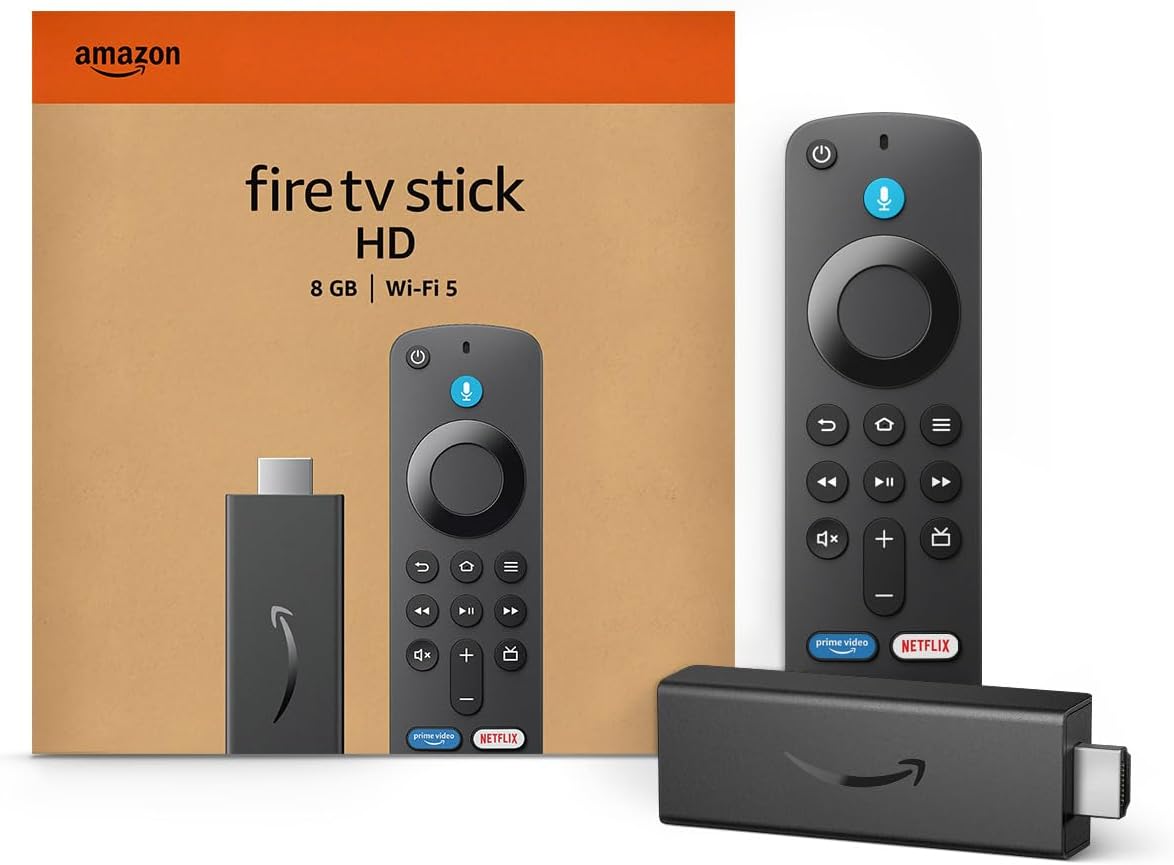
Amazon Fire TV Stick HD
Turn Any TV to a Smart TV. Stream Netflix, Prime Video & More. Alexa Voice Remote Included. Easy Plug & Play Setup.
Shop on Amazon
Fundamental Reasons Samsung TV Is Not Appearing When Casting
When your Samsung TV does not show up as a casting option, several technical barriers might be causing the issue. These involve how well your devices work together, the quality of your Wi-Fi connection, whether the mirroring feature is activated, and possible interference from other wireless technologies.
Compatibility Between Devices and TV
Your Samsung TV and the device you want to cast from must support compatible casting or screen mirroring protocols. Samsung TVs typically use Smart View, Miracast, or AirPlay, depending on the model and OS version. If your phone, tablet, or laptop lacks the required mirroring features, your TV won’t appear in the cast list.
Check if your device’s casting capability matches your TV’s supported standards. For example, iOS devices use AirPlay, while many Android and Windows devices rely on Miracast. Older TVs or devices might not support modern casting protocols, which causes connection failures. Also, ensure you’re running the latest software updates on both your Samsung TV and casting device to maximize compatibility.
Wi-Fi Network and Signal Strength Issues
For casting to work correctly, both your Samsung TV and your casting device must be connected to the same Wi-Fi network. If they are on separate networks or different frequency bands (such as one on 2.4 GHz and the other on 5 GHz without proper bridging), your TV may not show up as a casting target.
Additionally, weak Wi-Fi signal strength can cause intermittent connectivity or prevent discovery altogether. Place your TV and casting device within range of your router, avoiding physical obstructions or electronic interference. Checking your TV’s network status through its settings confirms whether it’s properly connected and on the correct network.
Enabling the Screen Mirroring Feature
Your Samsung TV must have screen mirroring or casting enabled in its settings for external devices to detect it. This option is often found under “Connections” > “Screen Mirroring” or may be labeled as “Smart View” on your TV. If this feature is off or the TV is in a restricted mode, it won’t broadcast its availability to casting devices.
You should also verify that your TV input source matches the casting method if using external dongles or adapters. Sometimes toggling the screen mirroring option off and back on refreshes the connection and makes the TV visible again.
Bluetooth and Interference Considerations
Although casting primarily uses Wi-Fi, Bluetooth on your casting device can interfere with the wireless connection. Active Bluetooth connections may cause signal conflicts or reduce casting performance, making your Samsung TV invisible on the casting list.
Disabling Bluetooth temporarily on your smartphone or tablet can improve casting stability. Other wireless devices, like cordless phones or microwaves near your router or TV, might also disrupt Wi-Fi signals. Minimizing these sources helps maintain a strong signal and increases the likelihood of successful casting.
Step-by-Step Troubleshooting Methods
When your Samsung TV does not appear in the cast list, certain key actions can help resolve the issue quickly. These involve refreshing your devices, verifying network integrity, updating software, and testing alternative equipment to isolate the cause.
Restarting TV, Casting Device, and Router
Begin by fully restarting your Samsung Smart TV, the device you want to cast from, and your Wi-Fi router.
To restart the TV, unplug it from the power source for about 60 seconds. This clears temporary bugs affecting connectivity. Similarly, restart your phone, tablet, or computer by powering it off and back on. Don’t just use sleep mode—perform a full reboot to refresh system processes related to casting.
Finally, restart your router by unplugging it for about 30 seconds, then plugging it back in. This resets network traffic and resolves common connection conflicts. After all devices power back on, reconnect each to the same Wi-Fi network before attempting casting again.
Checking and Resetting Network Settings
A stable, correctly configured network setting is critical for your TV to appear on the casting list.
On your Samsung Smart TV, navigate to Settings > Network > Network Status to confirm it is connected to the intended Wi-Fi network. Next, on your casting device—such as your smartphone—go to network settings and confirm it’s on the same Wi-Fi.
If issues persist, you should reset the network settings on your casting device. For Android, go to Settings > System > Reset options > Reset Wi-Fi, mobile & Bluetooth. On iOS, select Settings > General > Transfer or Reset iPhone > Reset > Reset Network Settings. After the reset, reconnect to your Wi-Fi and check if the TV appears for casting.
Updating Software on TV and Devices
Outdated software often causes incompatibility between your Samsung Smart TV and casting devices.
Check your TV’s software by pressing the Home button on your remote, then navigating to Settings > Support > Software Update > Update Now. Install any available updates to ensure the TV’s firmware supports all casting functions.
Similarly, update your casting device. On Android, go to Settings > System > System Update. For iOS, use Settings > General > Software Update. Keeping both your TV and casting device current often resolves bugs and connectivity glitches that prevent your TV from showing up in casting options.
Testing with Alternative Casting Devices
If your Samsung TV still doesn’t appear on the original casting device, try a different device to isolate the problem.
Use another smartphone, tablet, or laptop capable of casting to your TV. If the alternate device connects successfully, the issue likely resides with your first device’s settings or software. This can include disabled casting permissions, network conflicts, or outdated system software.
Conversely, if no devices detect the Samsung TV, focus on the TV’s connection and settings — or consider temporary workarounds like a screen mirroring dongle. Testing different devices helps pinpoint whether the problem is with your TV or the original casting source. For more detailed help, see guidance on fixing screen mirror or cast not working on Samsung TV.
Connection Methods and Device-Specific Solutions
To connect your devices to a Samsung TV, you must use the appropriate casting or mirroring method based on your device type and connection preferences. Understanding how to enable these connections and troubleshoot them is key to resolving your TV not appearing in cast lists.
Using Smart View, Miracast, and AirPlay
If you use a Samsung or Android device, Smart View and Miracast are your primary wireless options. Smart View is Samsung’s built-in feature for screen mirroring, accessible via the Quick Settings panel or device settings. Both your TV and phone must be connected to the same Wi-Fi network for this to work. Miracast is a wireless display standard supported by many Android devices and Samsung TVs, enabling device-to-TV screen sharing without an internet connection.
For Apple users, AirPlay provides seamless casting from iPhones, iPads, or MacBooks. Check that AirPlay is enabled on your Samsung TV under Settings > General > Apple AirPlay Settings. Your device and the TV must be on the same network. If your TV doesn’t appear, ensure both devices have updated software and restart them if needed.
Solutions for Chromecast and Google Home App Users
If you rely on Chromecast or the Google Home app, your Samsung TV must either support Chromecast built-in or be connected to a Chromecast dongle via HDMI. In the Google Home app, verify that your TV or dongle shows up, and that your casting device and TV/dongle share the same Wi-Fi network.
If your TV doesn’t appear, restart your Chromecast device or TV, and reboot your router. Make sure your Chromecast firmware and Google Home app are both updated. Avoid VPNs or proxies during casting, as they can interfere with device discovery. Also, confirm that your casting app supports Chromecast, as some streaming apps restrict this feature.
Troubleshooting HDMI and Wired Connections
For stable physical connections, using the HDMI port on your Samsung TV is often the most reliable option. Connect your casting device with an HDMI cable or via an HDMI adapter if using smartphones or tablets. Ensure the cable is firmly connected and the TV input is set to the correct HDMI source.
If your device uses an HDMI adapter (such as Lightning to HDMI or USB-C to HDMI), verify compatibility and that the adapter is powered if needed. Occasionally, resetting the adapter by unplugging and reconnecting it can resolve recognition issues. Check your TV’s firmware for updates, as outdated software may cause HDMI input problems. Always use high-quality HDMI cables to reduce connection drops or display errors.
Advanced Checks and Additional Support Options
When your Samsung TV does not appear in the cast list, issues beyond basic network troubleshooting might be involved. You should examine your VPN settings, app permissions, and consider professional help if necessary.
Addressing VPN or Security Settings Issues
VPNs can disrupt local network discovery, which is essential for casting. If you use a VPN on your phone, tablet, or PC, it may block your device from detecting your Samsung TV. Disable any active VPN services before attempting to cast.
Additionally, some routers have strict firewall or security settings that can limit device communication. You might need to log into your router settings and verify that network isolation or AP isolation is disabled. This ensures all devices on your Wi-Fi can see each other.
If you use security software on your casting device, check its network permissions and make sure it is not blocking local device connections.
Identifying App Permission and Casting App Problems
Casting depends heavily on permissions granted to apps. Make sure the casting app you use has permission to access your local network and Wi-Fi. On iOS devices, this setting is found under Privacy > Local Network.
Some third-party casting apps may not fully support your Samsung TV or might conflict with the TV’s native casting protocols like Smart View or AirPlay. If your TV doesn’t appear, try using different apps such as AllCast or LocalCast to determine if the issue is app-specific.
Also, clear the cache and data of your casting app, or reinstall it. Updates or corrupted data can cause detection problems.
Consulting Samsung Support and Further Assistance
If all else fails, contacting Samsung support can provide tailored help. They can guide you through model-specific troubleshooting steps, check for firmware updates, or identify hardware issues.
Samsung’s official support site offers live chat and phone assistance. You can also request remote diagnostics if your TV is connected to the internet.
When you reach out, have your TV model number, software version, and details of previous troubleshooting steps ready to speed up the process. This ensures efficient support and quicker resolution. For more detailed assistance, visit Samsung’s support platform.