
If your Samsung TV Bluetooth is not working, the issue often comes down to compatibility, settings, or interference. Ensuring your Bluetooth device is compatible and properly paired with your TV can quickly resolve most connection problems. Power cycling both devices and checking for firmware updates are practical steps to improve your connection reliability.
Sometimes, interference from other wireless devices or being out of range can prevent your TV from detecting or maintaining a Bluetooth connection. Adjusting your setup to minimize obstacles and positioning your device closer can help. Understanding these common causes will help you identify the right fix without unnecessary frustration.
For detailed steps on troubleshooting your Samsung TV’s Bluetooth issues, including how to check compatibility and reset settings, you can explore further solutions that match your specific situation.
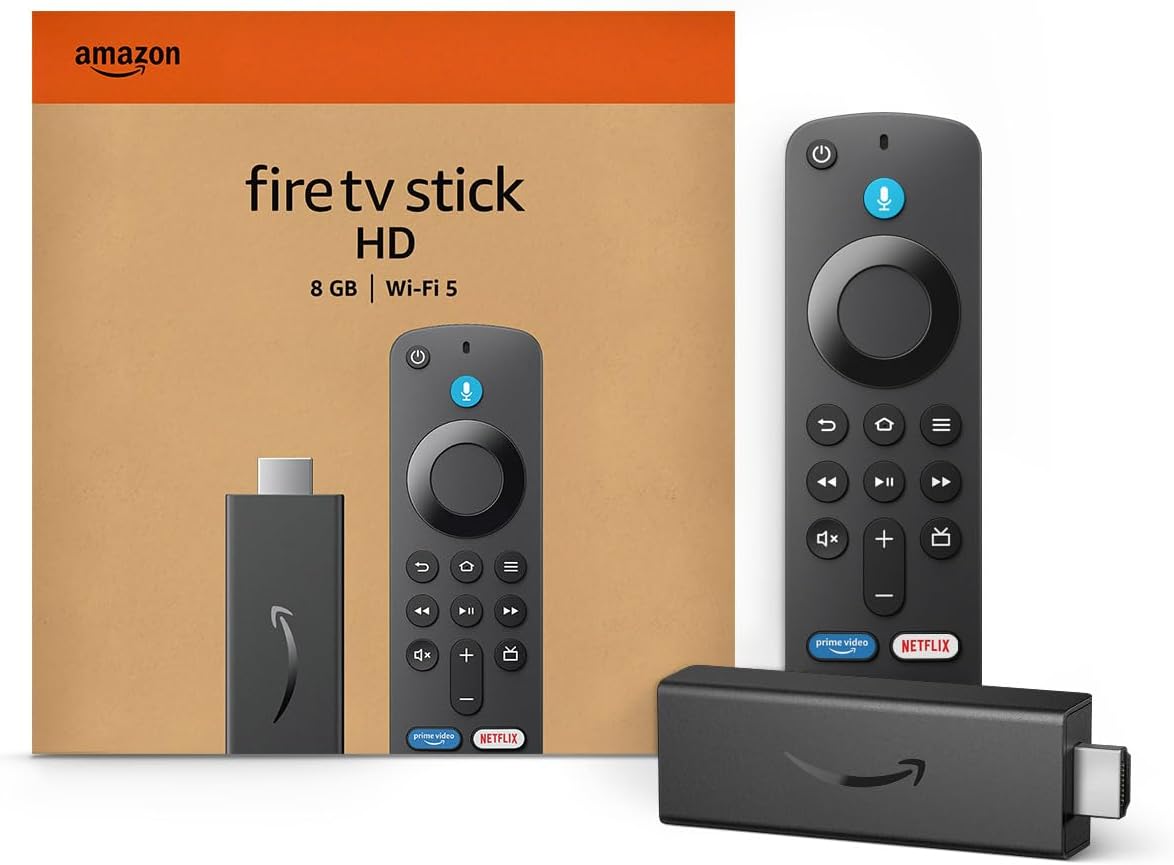
Amazon Fire TV Stick HD
Turn Any TV to a Smart TV. Stream Netflix, Prime Video & More. Alexa Voice Remote Included. Easy Plug & Play Setup.
Shop on Amazon
Understanding Why Samsung TV Bluetooth Is Not Working
When your Samsung TV’s Bluetooth fails, it usually comes down to specific factors like device compatibility, signal interruptions, or configuration issues. You need to understand how Bluetooth works on your TV and what might block or prevent successful connections.
Common Causes of Bluetooth Issues
One of the most frequent causes is that the Bluetooth device isn’t in pairing mode. Without activating pairing mode, your TV won’t recognize the device as available to connect.
Another factor is outdated firmware on your TV. If your Samsung TV’s software isn’t up to date, Bluetooth connectivity can suffer from glitches or incompatibility with modern devices.
Signal range also matters. Bluetooth generally works within about 30 feet, but physical barriers or electronic interference can reduce this. Finally, some Samsung TV models may have Bluetooth disabled or limited support, so confirming your TV supports Bluetooth is essential.
How Bluetooth Technology Functions on Samsung TVs
Bluetooth on Samsung TVs operates as a short-range wireless protocol that enables audio devices, game controllers, keyboards, and other peripherals to communicate without wires.
Your TV acts as a Bluetooth hub, scanning for compatible devices in pairing mode and establishing connections to transmit or receive audio or control signals. Communications happen over specific frequency bands optimized for minimal power use and interference resistance.
The process requires both your TV and Bluetooth device to be discoverable and properly synchronized. If either side isn’t set correctly, connections will fail. Samsung TVs also rely on internal Bluetooth modules, which can sometimes need resets or firmware updates to maintain performance.
Role of Bluetooth Signal & Interference
Bluetooth signals are radio waves transmitted typically over a 2.4 GHz frequency. The strength and quality of this signal determine whether your device pairs successfully.
Interference from sources like Wi-Fi routers, microwave ovens, or other wireless devices can disrupt the Bluetooth connection. Walls or furniture also attenuate the signal, making placement important.
Keeping your Bluetooth device within 10 to 30 feet of the TV optimizes connectivity. Devices too far away or with obstacles between them are prone to disconnects or failure to pair altogether.
Bluetooth Device Compatibility Factors
Not all Bluetooth devices are fully compatible with Samsung TVs. Your TV might support audio devices and remote controls but not certain types of headphones, gaming peripherals, or older Bluetooth versions.
Check if your device uses a compatible Bluetooth profile the TV can recognize, such as A2DP for audio streaming. Some devices require drivers or firmware support which TVs do not provide.
If your device has trouble connecting, testing another Bluetooth device can help isolate if the problem lies with the TV or the gadget. Using official Samsung accessories or widely tested third-party devices reduces compatibility risks. For extended functionality, you may consider Bluetooth adapters if your TV lacks full support.
For more detailed steps on fixing these issues, you can refer to guides on Samsung TV Bluetooth pairing problems.
Step-by-Step Troubleshooting for Samsung TV Bluetooth Problems
Resolving Bluetooth issues on your Samsung TV requires precise steps targeting settings, device resets, and confirming device compatibility. You will work through checking your TV’s Bluetooth options, restarting devices to clear glitches, and verifying if the problem lies with your TV or the connected device.
Checking Bluetooth Settings & Menus
Start by ensuring your TV’s Bluetooth is enabled and correctly configured. On your Samsung TV, go to Settings > Sound > Sound Output and look for Bluetooth Speaker List. If this option is missing, your TV may not support Bluetooth, or the feature might be disabled in the service menu.
Accessing the service menu requires specific remote codes (e.g., Mute + 1 + 8 + 2 + Power). Use the codes to open the menu carefully and confirm BT Support is turned ON. Avoid changing other settings here to prevent unintended issues.
Verify that your Bluetooth device is in pairing mode while scanning in the Bluetooth menu. Keep your device within 10-30 feet to maintain connection strength.
Restarting Your TV and Bluetooth Device
Glitches often cause Bluetooth failures, so perform a cold boot on your TV. You can do this by unplugging the TV from its power source for 30 seconds, then plugging it back in and turning it on. Alternatively, hold your remote’s power button for 5 seconds until the TV restarts.
Next, restart your Bluetooth device. For speakers, this usually means powering off, then holding the pairing button along with power for several seconds. If unsure, consult your device manual for restart instructions.
Restarting both devices clears temporary bugs and refreshes the Bluetooth connection, increasing your chances for a successful pair.
Testing Bluetooth Connectivity with Different Devices
To isolate the issue, try pairing your Samsung TV with a different Bluetooth device. Use alternatives like a Bluetooth headset, keyboard, or game controller. This will help determine if your original device is the problem.
If the new device connects smoothly, the fault likely lies with your first Bluetooth gadget. If it doesn’t, suspect a TV problem, which may require further troubleshooting or a firmware update.
You can pair devices through Settings > General > External Device Manager > Bluetooth Device List for newer models, or Settings > Sound > Sound Output > Bluetooth Speaker List for audio devices. Testing multiple devices clarifies where the connectivity issue originates.
For more information, you can check a detailed guide on fixing Samsung TV Bluetooth pairing issues.
Advanced Fixes: Firmware Updates, Factory Reset & When to Seek Help
Fixing Bluetooth issues often requires checking your TV’s software and settings beyond basic troubleshooting. Some problems arise from outdated firmware or persistent software glitches, which can be resolved through updates or resets. When those steps don’t work, contacting professional support is the next best option.
Updating Samsung TV Firmware
Your Samsung TV’s firmware controls Bluetooth functionality along with other features. If Bluetooth isn’t working, first confirm your TV has the latest firmware installed. Outdated firmware can cause compatibility or connectivity problems.
To update manually, go to Settings > Support > Software Update and select Update Now. Make sure your TV is connected to a stable internet connection during this process. If the automatic update fails or the option is grayed out, you can download the latest firmware from Samsung’s official website and apply it via USB. This manual method bypasses network issues and is useful if updates fail repeatedly.
Regularly updating firmware ensures you get bug fixes and performance improvements essential for Bluetooth stability on your Samsung TV.
Performing a Factory Reset
If firmware updates don’t fix the issue, performing a factory reset can clear deeper software corruption that may affect Bluetooth operations. A factory reset restores your TV to original settings by erasing all customized preferences, apps, and network connections.
Access a factory reset under Settings > General or Support > Reset. You will be prompted to enter your PIN (default is usually “0000”). After confirming, your TV will restart and erase all user data.
Because this is a drastic step, make sure you’ve backed up any important settings or information. After the reset, reconnect the TV to your network, reinstall apps if needed, and test Bluetooth functionality. This method often resolves problems caused by persistent firmware glitches.
Contacting Samsung Support
If neither firmware updates nor resets restore your Bluetooth function, it’s time to reach out to Samsung Support. Before contacting them, collect your TV’s model and serial numbers, any error messages, and a detailed description of the issue along with steps you’ve already tried.
Samsung experts can provide remote diagnostics, advanced troubleshooting, or arrange repairs if needed. They may also offer firmware updates or patches unavailable to the public. Contact options include live chat, phone, or email through the official Samsung support website. Seeking professional help can save time and prevent further complications when DIY fixes fail.
For detailed guidance on updating and resetting, visit Samsung’s official support resources.
Optimizing Your Samsung TV Bluetooth Experience
Maintaining a strong Bluetooth signal and managing your devices correctly are essential for a smooth connection. You can improve performance significantly by adjusting device placement and following practical usage habits.
Improving Bluetooth Range and Reliability
To enhance Bluetooth range, keep your TV and Bluetooth device within 10 meters (33 feet). Avoid obstacles like walls, metal objects, or electronic devices that emit wireless signals, such as Wi-Fi routers and microwaves, which can interfere with the Bluetooth connection.
Position your TV and Bluetooth device in open spaces to reduce signal blockages. If possible, move your Bluetooth speaker or headphones closer to the TV during use.
Additionally, power cycling both devices helps clear temporary glitches. Turn off the TV and Bluetooth device, unplug the TV for a minute, then restart both. This often restores a stable connection.
Tips for Best Performance with Bluetooth Speakers
Ensure your Bluetooth speaker is fully charged or plugged in. Low battery levels can weaken the Bluetooth signal and cause dropouts.
Keep the speaker’s firmware updated if the manufacturer provides updates. This can improve compatibility and fix bugs affecting streaming quality.
Before pairing, make sure no other Bluetooth devices are actively connected to the speaker to avoid interference. After pairing, adjust your TV’s volume and audio settings for optimal sound output. Remove previously paired devices that you no longer use to prevent connection conflicts.
For best results, use speakers listed as compatible with Samsung TVs or confirmed to support your TV’s Bluetooth version for smoother connectivity.
Learn more about restoring Bluetooth connections on your Samsung TV from this detailed Bluetooth troubleshooting guide.