
If your Samsung TV is not responding to the remote or the buttons on the TV itself, it can disrupt your viewing experience and cause frustration. The most effective way to fix this issue is often to reset the remote by removing its batteries and pressing the power button for about 10 seconds, then restarting the TV by unplugging it from the power source for a short time. This simple step resolves many common problems related to unresponsiveness.
There are several reasons why your Samsung TV might stop responding, including weak or dead batteries, physical damage to the remote, software glitches, or sensor obstructions. You’ll want to check for things like battery life, pairing issues with smart remotes, and possible interference or blockages between the remote and the TV to get your device working again.
Understanding these causes can help you troubleshoot more quickly and avoid unnecessary replacements. Whether it’s a software update, cleaning the remote sensor, or testing the remote with your smartphone camera, you’ll find practical solutions that restore control of your Samsung TV. For detailed guidance, see this Samsung TV not responding to remote or buttons fix guide.
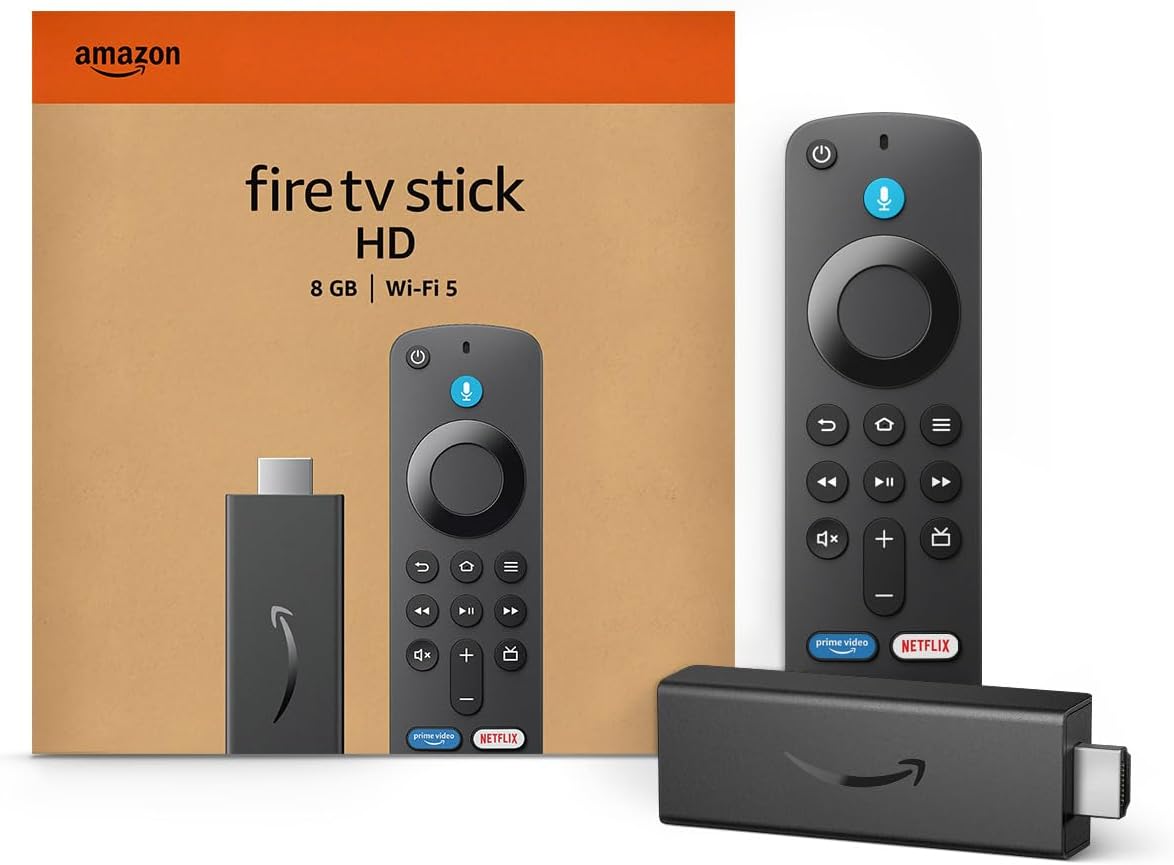
Amazon Fire TV Stick HD
Turn Any TV to a Smart TV. Stream Netflix, Prime Video & More. Alexa Voice Remote Included. Easy Plug & Play Setup.
Shop on Amazon
Immediate Troubleshooting Steps
Start by verifying that your Samsung TV remote and the TV itself have no basic issues preventing communication. Focus on ensuring the batteries are functional, the sensors are clear, and the TV has been properly reset through power cycling. These steps often resolve common responsiveness problems quickly.
Check and Replace Remote Batteries
The most frequent cause of unresponsive Samsung TV remotes is drained or weak batteries. Remove the batteries from your remote and check for any corrosion or debris on the contacts.
Replace the old batteries with fresh ones, preferably high-quality alkaline batteries, to ensure a strong signal.
Use your phone’s camera to test the infrared (IR) emitter: point the remote at the camera and press a button. If you see a flashing light on the phone screen, the IR signal is working. If not, new batteries or even a replacement remote may be needed.
Keeping fresh batteries ready can save you time and frustration when your remote stops responding.
Remove Obstructions and Clean Sensors
Objects blocking the line of sight between your Samsung remote and the TV can interfere with the IR sensor’s ability to receive signals. Check that nothing is placed in front of the TV’s IR sensor, usually located near the screen’s bottom edge.
Dust or dirt on the remote’s emitter or the TV’s sensor can also cause failure. Use a soft microfiber cloth or a slightly damp cotton swab to gently clean these areas.
Avoid harsh chemicals as they can damage the sensors. Maintaining clear, unobstructed sensor areas improves the chance your remote will operate correctly.
Power Cycle the Samsung TV
Power cycling your Samsung TV clears temporary software glitches that might make buttons and the remote unresponsive.
To do this, turn off the TV using the power button. Unplug the TV from the electrical outlet and wait for about two minutes to allow stored power to fully discharge.
Press and hold the TV’s power button for 10 seconds.
Plug the TV back in, then power it on and test the remote and TV buttons again.
This simple reset often restores normal function by rebooting system processes without affecting your settings. More details on this method are available at Samsung TV troubleshooting guides.
Advanced Solutions for Unresponsive Controls
When your Samsung TV stops responding to the remote or buttons, more precise steps beyond basic troubleshooting may be necessary. These include resetting your remote, re-pairing it with your Samsung Smart TV, and verifying that the remote’s infrared signal is functioning correctly.
Reset Samsung TV Remote
Resetting your Samsung TV remote often resolves unresponsiveness caused by minor glitches. Start by removing the batteries from the remote. Then, press and hold the power button on the remote for about 8 to 10 seconds to discharge any residual power.
After releasing the button, reinsert fresh batteries. This process can clear temporary software or hardware hiccups within the remote. If you’re still experiencing issues, consider replacing the batteries entirely.
Resetting does not erase any TV settings but helps reinitialize the remote’s internal components. It’s a quick, effective step that avoids more invasive troubleshooting.
Re-Pair the Remote with the TV
If your Samsung Smart TV remote has lost connection, re-pairing it is essential. To do this, first power on your TV manually using the physical button.
Then, press and hold both the Return and Play/Pause buttons on the remote simultaneously for about 3 seconds. You should see a pairing confirmation message on the TV screen.
If pairing fails, retry the process after removing and reinserting the remote’s batteries. For Bluetooth-based remotes, re-pairing resets the communication channel between the devices, often restoring full functionality.
This step is important when remotes stop responding entirely or only work intermittently.
Test the Remote’s Infrared Signal
Confirming whether your remote emits an infrared (IR) signal can help identify hardware faults. Point the remote’s front end at a smartphone camera and press any button.
If you see a flashing light on the camera screen, the remote is sending IR signals correctly. No flashing means the signal isn’t reaching the TV, which could indicate dirty sensors, a blocked IR port, or a broken remote.
Clean the remote’s IR sensor with a soft cloth to remove dust or debris. Ensure no objects obstruct the line of sight between the remote and TV’s sensor.
If cleaning and testing do not restore function, consider replacing the remote. This method is a straightforward way to isolate remote hardware problems from TV system issues.
For additional troubleshooting steps, refer to this guide on fixing Samsung TV remote problems.
Alternative Control and Software Fixes
You can control your Samsung Smart TV without a physical remote by using official apps, which can also help troubleshoot unresponsive remote or button issues. Keeping your TV’s software updated ensures compatibility with these apps and can resolve glitches affecting remote functionality.
Use the SmartThings App
The SmartThings app allows you to control your Samsung TV from your smartphone. First, connect your phone and TV to the same Wi-Fi network. Download the SmartThings app from the app store, then open it and add your TV as a device.
Once connected, you get access to a full remote interface, including navigation, volume control, and input selection. This is especially useful if your physical remote or TV buttons are not working. The app also provides quick access to settings and can serve as a temporary or permanent remote replacement.
Beyond basic control, the app supports voice commands and smart home integration, allowing you to automate TV functions with other connected devices.
Try the Samsung TV Remote App
Samsung offers a dedicated TV Remote App that mirrors the physical remote’s functions on your smartphone. Like the SmartThings app, ensure both devices are on the same network before pairing.
The app provides direct button access, including menu navigation, channel change, and media playback controls. It is particularly useful if the infrared sensor on your remote is malfunctioning, or the remote uses Bluetooth and has lost connection.
You can use the app to re-pair a Bluetooth remote or navigate menus to update settings. The Samsung TV Remote App can also be a troubleshooting tool when replacing batteries in your physical remote doesn’t resolve unresponsiveness.
Update Samsung Smart TV Software
Keeping your Samsung Smart TV software current is crucial for stable remote and button performance. Navigate to Settings > System > Software Update using either your remote, SmartThings, or Samsung TV Remote app.
If an update is available, follow on-screen instructions to install it. Updates often address bugs related to remote responsiveness and improve compatibility with apps. Installing the latest firmware can fix issues caused by software glitches that prevent the TV from responding to inputs properly.
If you experience persistent remote problems, checking for updates regularly is a straightforward way to maintain smooth operation of your Samsung TV’s controls.
When to Reset, Replace, or Seek Help
If basic troubleshooting doesn’t restore your Samsung TV’s responsiveness, specific steps like resetting the TV, replacing the remote, or contacting support might be necessary. Knowing when and how to take these actions can save time and avoid unnecessary frustration.
Factory Reset Samsung TV
Performing a factory reset on your Samsung Smart TV can resolve persistent issues affecting both the remote and the TV buttons. This process restores your TV’s software to original settings, which can fix system glitches interfering with Samsung TV Plus apps or remote control functions.
Before resetting, ensure you have backed up important settings, as a factory reset will erase personal preferences, app logins, and network configurations. To reset:
- Go to Settings > General > Reset.
- Enter your TV’s PIN (default is usually 0000).
- Confirm the reset and wait for the TV to restart.
Use this option only when other troubleshooting like power cycling and remote re-pairing haven’t worked, as frequent resets can be inconvenient and time-consuming.
Consider a Replacement Remote
If your Samsung remote consistently fails despite battery replacement, cleaning, and re-pairing, it may be time to consider a replacement. The infrared sensor on older remotes can degrade or malfunction, especially if exposed to physical damage or frequent use.
You can verify if your remote is sending signals by pointing it at your phone camera and pressing buttons; if unaware light doesn’t show, the remote might be defective. Replacement options include official Samsung remotes or compatible universal remotes that support Samsung Smart TV features.
Keep in mind, some remotes need pairing after replacement, particularly Bluetooth-enabled Samsung smart remotes. Using the official Samsung TV Remote App on your smartphone can be an interim solution if you need remote control immediately.
Contact Samsung Support
When factory resetting and remote replacement don’t resolve your Samsung TV responsiveness issues, professional help is warranted. Samsung Support can assist with hardware diagnostics, firmware updates, or arrange repairs if your TV or remote is defective.
Before contacting support, have your TV model number, purchase date, and a detailed description of the problem ready. Samsung offers remote troubleshooting via phone or live chat, which can guide you through advanced fixes specific to your model.
For warranty-covered repairs or certified service centers in your area, Samsung Support is the best route. They can also offer advice about Samsung TV Plus app issues that might affect system responsiveness linked to software updates. For more details on troubleshooting steps, you can refer to guides like Samsung TV not responding to remote or buttons.