

Last updated on January 7th, 2026 at 10:47 am
If your LG TV is not keeping the correct time, it is likely due to either an issue with the automatic time setting or a network connection problem.
The most reliable fix is to disable the automatic time setting and manually set the time and date in your TV’s settings menu. This ensures the clock remains accurate even if your TV cannot sync with broadcast or internet time.
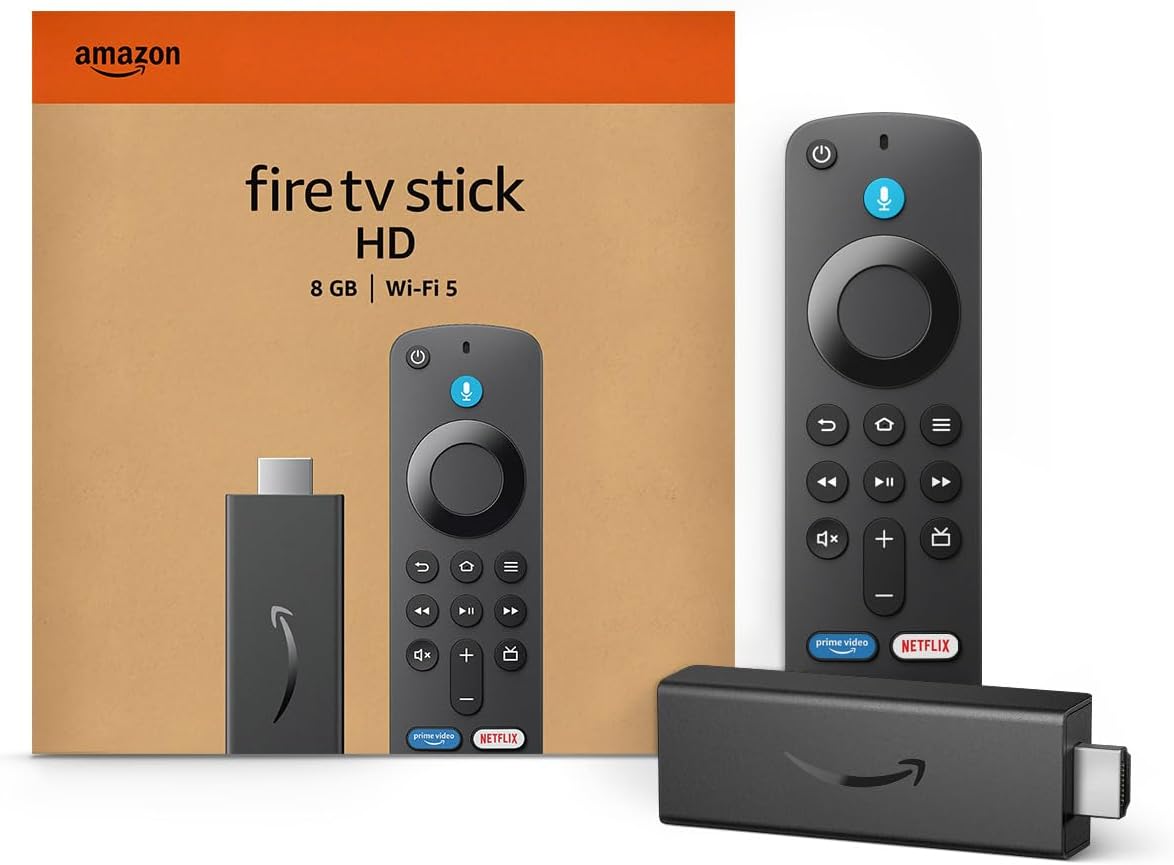
Amazon Fire TV Stick HD
Turn Any TV to a Smart TV. Stream Netflix, Prime Video & More. Alexa Voice Remote Included. Easy Plug & Play Setup.
Shop on AmazonMany LG TVs rely on either digital broadcast signals or internet connectivity to update the time automatically.
If your TV isn’t connected to the network or only receives time from a set-top box, it may fail to display the correct time.
Adjusting the time manually through your TV’s General settings will help avoid problems with timers, scheduled recordings, and app functions.
Understanding where to find these settings makes it easier to fix the problem quickly.
You can learn detailed steps for adjusting and troubleshooting your LG TV’s clock in the LG TV Settings help guide.

Root Causes of LG TV Not Keeping Time
Your LG TV may fail to keep accurate time due to specific settings and environmental factors.
These include how the clock is configured, network synchronization problems, and adjustments related to your location and daylight saving time.
Automatic Versus Manual Time Configuration
Your TV’s clock can be set either automatically or manually.
Automatic time relies on receiving data through digital broadcasts (OTA) or an internet connection, often reflecting accurate, real-world time without user input.
If the automatic time setting is off or your TV lacks a stable network or antenna connection, the time may reset or become incorrect.
When you disable automatic time, you must manually enter the current time and date.
This direct input can cause discrepancies if you forget to update it after power interruptions or daylight saving changes.
Some older LG TVs or those with outdated webOS firmware might struggle to hold manual time settings reliably, which can lead to repeated resets or inaccurate times.
Network-Related Synchronization Issues
Accurate automatic time setting depends heavily on your TV’s ability to connect to the internet or antenna.
A weak or unstable Wi-Fi signal, or a disconnected antenna, can prevent your LG TV from synchronizing its internal clock properly.
This leads to outdated or incorrect time being shown.
Network glitches might also cause your TV’s time to reset to a default, such as 2020, repeatedly.
Ensuring your network is stable and that your TV has proper permissions to connect and update time over the internet helps maintain correct time automatically.
Time Zone and Daylight Saving Settings Problems
Even if your TV updates time automatically, incorrect time zone settings can make the displayed time wrong.
You should verify your LG TV’s location and time zone in the General > System > Time & Timer settings or equivalent, depending on your model’s webOS version.
Daylight saving changes require your TV to adjust the clock forward or backward.
If your TV misses this change, the time remains off.
Some LG models allow you to toggle daylight saving adjustments; check this setting to prevent confusion.
Without proper time zone and daylight saving configuration, scheduled recordings and timers may not work as expected.
How to Fix Time Not Updating or Resetting on LG TV
When your LG Smart TV shows incorrect time or fails to update, several settings need checking.
Focus on adjusting the time configuration, disabling automatic time features when they malfunction, and ensuring the TV has a solid network connection.
Accessing and Adjusting Time Settings
Start by accessing the time settings on your LG TV to review and modify the current configuration.
Press the Home button on your TV remote.
Navigate to Settings > All Settings > General.
From here, select System and then Time & Timer if your model uses WebOS 6.0 or later.
Older models may display this option simply as Time or Timers under General.
Here, you can view the current time and date settings.
Confirm if the time zone and daylight saving settings are correct.
You can also find options for the power-on and power-off timers, which rely on accurate system time.
If the time appears wrong or isn’t updating, proceed to adjust how the TV gets its time.
Disabling Auto Time and Setting Manually
If your LG TV isn’t keeping accurate time, try disabling the automatic time setting.
When enabled, the TV usually syncs time via internet or broadcast signals, but this may fail due to connectivity or regional errors.
Within Time & Timer, turn off the Automatic Time Setting or Set Automatically option.
This stops your TV from relying on network or broadcast signals.
Next, manually enter the correct time and date using the on-screen options.
Be precise with your inputs, including the correct time zone and date format.
Manual time setting is especially useful if your model doesn’t properly support auto-sync or if your TV is connected only through a set-top box without direct internet access.
Verifying Network and Wi-Fi Connection
A reliable network connection is vital for your LG Smart TV to update its time automatically.
Without a proper Wi-Fi signal, the TV cannot synchronize with internet time servers.
Go to Settings > All Settings > Network.
Check your connection status and signal strength.
If your TV is not connected or the Wi-Fi signal is weak, reconnect to your home network or move your router closer.
You can run a network test to identify issues.
Also, ensure your router provides stable internet access.
If you use an antenna or cable connection without internet, the TV will depend on broadcast signals for time.
In these cases, verify that the antenna supports digital signals for automatic time updates.
Proper network setup prevents time errors that disrupt scheduled recordings and other timer functions.
For detailed steps, see LG TV Settings – The Current Time Is Not Displayed.
Troubleshooting Persistent LG TV Time Issues
If your LG TV struggles to keep the correct time, there are several targeted steps to resolve the problem.
These include updating your firmware, performing a factory reset to clear lingering software issues, and knowing when to reach out for professional help.
Firmware Updates and Software Troubleshooting
Your LG TV’s internal clock often relies on the latest software to sync correctly.
Ensuring your firmware is up to date can fix bugs causing time errors.
To update, navigate to Settings > All Settings > General > About This TV > Check for Updates.
Download and install any available updates.
If automatic time syncing is enabled, verify your TV is connected to the internet.
Network issues can prevent accurate time updates.
You can also try toggling the automatic time setting off and back on to reset sync attempts.
Clearing the TV cache can improve overall performance and may indirectly fix timekeeping glitches.
If your LG TV is not responding during these steps, try restarting it through the power menu or unplugging it briefly.
This resets temporary processes and might resolve minor software hiccups causing time issues.
Factory Reset Steps
If firmware updates don’t fix the time problem, a factory reset can restore your TV’s original settings, often clearing persistent errors.
Before proceeding, back up any personal settings or apps you want to keep.
To perform a factory reset:
- Go to Settings > All Settings > General > Reset to Initial Settings.
- Confirm your choice and wait for the TV to restart.
This process removes all customizations, including network data, so reconnect to Wi-Fi and re-enable automatic time sync after the reset.
This method often solves deeper software corruption affecting time display.
When to Contact LG Support
If your LG TV continues to show incorrect times or fails to update, even after firmware updates and resets, it may require expert service.
Persistent issues can indicate hardware problems with the internal clock or other components.
Contact LG customer support for specialized troubleshooting or repair options.
Have your model and serial number ready to speed up assistance.
LG support can guide you through advanced diagnostics or arrange service if needed.
You can reach them through the official LG website or their dedicated helpline.
For additional troubleshooting, see more on LG TV settings and time issues.
How Inaccurate Time Affects TV Features and Apps
When your LG TV shows the wrong time, it can disrupt more than just the clock display.
Several key functions rely on accurate time data to operate correctly, affecting your streaming experience and picture quality settings.
Impact on Streaming Services and Scheduled Tasks
Streaming platforms like Hulu and Netflix depend on your TV’s internal clock for content timing and DRM authentication.
If your LG TV’s time is off, you might experience playback errors or difficulty launching apps.
Scheduled tasks such as recordings or automatic power on/off will also fail or execute at the wrong times.
This misalignment can cause issues with Set-Top Box integrations too.
For instance, your TV might show incorrect program guides or mistime scheduled recordings, leading to missed shows.
The Electronic Program Guide (EPG) relies on accurate timestamps tied to your location and time zone.
Errors in time settings can trigger no sound output during streaming or live TV playback, as some apps verify timing for audio synchronization.
You may need to manually adjust the clock if your TV isn’t connected to the network, avoiding these disruptions.
Effects on Picture and Sound Settings
Accurate time affects the proper loading of picture modes and sound profiles linked to specific programs or sources. For example, HDR features like Dolby Vision and HDR10 require correct metadata timing to optimize image quality.
Incorrect time can cause issues like posterization or a weakened HDR experience. Your TV’s initialization of picture settings, including contrast and brightness, might be skewed if the system clock is wrong.
This may also contribute to no picture or degraded image quality on sources connected via HDMI cables due to synchronization errors. Some LG TV problems connected to time settings can result in delayed activation of energy-saving features meant to protect the screen from burn-in.