
If your LG TV is not playing sound, the most common cause is that the volume is muted or set to zero, or the audio output settings are incorrectly configured. Make sure your TV’s volume is turned up and that the sound output is set to the TV’s internal speakers rather than an external device.
Checking these settings often resolves the issue quickly without needing more complex fixes. Sometimes, the problem might be related to connected devices like set-top boxes or HDMI connections, which can affect audio output.
You should also run a sound test on your TV to confirm whether the issue is with the TV itself or an external source. For more on this topic, see the LG TV troubleshooting guidelines on LG USA Support.
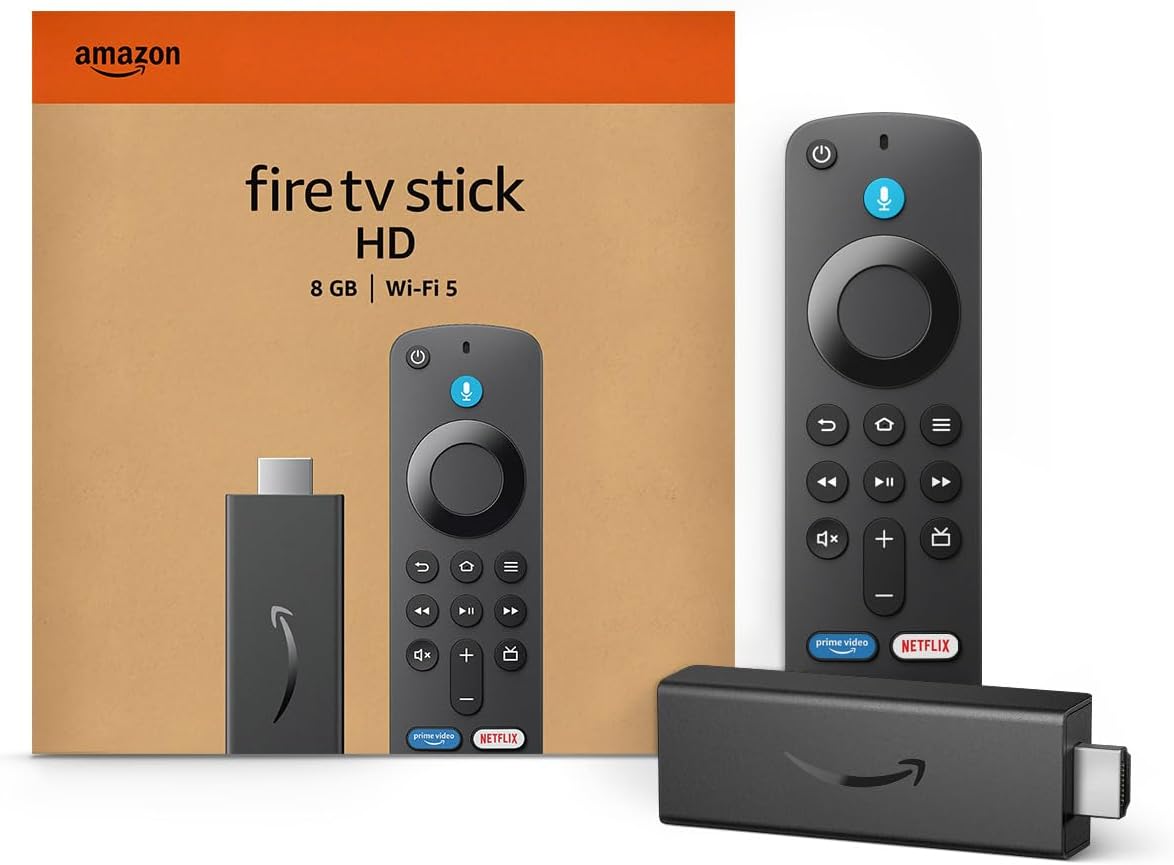
Amazon Fire TV Stick HD
Turn Any TV to a Smart TV. Stream Netflix, Prime Video & More. Alexa Voice Remote Included. Easy Plug & Play Setup.
Shop on Amazon
Fundamental Checks and Initial Troubleshooting
Start with simple but critical steps that often resolve no audio output issues quickly. Ensuring basic settings and connections are correct saves time before moving to more complex solutions.
Verify Volume and Mute Settings
Check if your LG TV’s volume is turned up and not muted. Sometimes the volume level visibly shows zero or a mute icon appears on the screen, which stops sound completely.
Use the remote to press the volume up button and watch for the on-screen volume indicator. If it doesn’t appear, your TV may be set to output audio to an external device instead of the internal speakers.
To fix this, go to Settings > Sound > Sound Out and ensure it’s set to Use TV Speaker. This switch directs sound back to the TV’s built-in speakers and often restores audio immediately.
Restart the TV and External Devices
Power off your LG TV and any connected external devices like set-top boxes, streaming sticks, or soundbars. Unplug them from the power source for about 30 seconds.
This step resets temporary glitches that could be causing your LG TV to have no sound. After reconnecting, power everything back on and check the sound.
If no sound persists, try disconnecting external devices one by one to identify if any accessory is causing interference with the audio output.
Run Built-in Audio Test
Your LG TV includes a built-in sound test function that helps determine if the issue lies within the TV or external sources. Access this by pressing Settings on your remote, navigating to All Settings > Sound > Sound Test.
Activate the test to hear a sample sound. If the sound test passes, the problem likely originates from connected devices or settings outside the TV.
If the test fails and no sound comes from the internal speakers, your LG TV may require servicing or contact with LG customer support.
Update Firmware and Software
Outdated firmware or software can cause unexpected issues, including no audio output. Your LG TV depends on the latest updates to maintain full functionality.
To update, open Settings > All Settings > Support > Software Update, then select Check for Updates. If an update is available, download and install it.
Keeping your TV’s software current resolves known bugs and improves system stability.
Audio Settings and Output Configuration
When your LG TV has no sound, checking and correctly configuring the audio settings is essential. You will need to select the appropriate audio output, adjust advanced sound options to fit your setup, and reset sound settings if previous changes have caused issues.
Proper configuration ensures sound plays where and how you expect it.
Select the Correct Audio Output
Start by navigating to your TV’s Settings menu, then go to Sound or Audio settings. Look for the Sound Out option.
You usually have two main choices:
- TV Speaker: Use internal speakers.
- External Speaker: Use connected devices like soundbars or home theaters.
If the audio is routed to an external device you’re not using or that isn’t connected properly, your TV won’t produce sound. Selecting TV Speaker ensures the internal speakers play sound.
If you have external devices, confirm they’re correctly connected and choose the matching output option. Also, HDMI ARC or Optical output selection must match your connection type to avoid no audio output issues.
Adjust Advanced Audio Settings
Beyond choosing the audio output, your LG TV offers advanced options that affect audio performance. Check these settings:
- Digital Sound Out: Options like PCM, Auto, or Dolby Digital — choose PCM if you experience no sound with other formats.
- Volume Modes: Disable settings like Auto Volume or Night Mode if they suppress or distort sound.
- Balance: Make sure audio balance is centered, not shifted to one side.
Adjusting these settings can fix subtle issues where sound plays but is inaudible or distorted. Regularly confirm these options after firmware updates to ensure they remain optimal.
Reset Sound Settings to Default
If you’ve modified several sound settings and aren’t sure where the problem lies, resetting audio settings to their factory defaults can help.
Go to Settings → All Settings → Sound → Reset Sound or Reset to Default. This action will clear any incorrect changes and restore sound output settings to a basic configuration.
After resetting, verify the Sound Out is set to the correct device and test the audio.
HDMI and Cable Connection Issues
Sound problems on your LG TV can often be traced back to issues with HDMI or other cable connections. Ensuring the cables and ports are intact, properly connected, and configured correctly will help restore audio functionality quickly.
Inspect HDMI and External Cable Connections
Start by carefully examining all HDMI and external audio cables connected to your TV and any devices such as set-top boxes or home theater systems. Look for visible damage like frayed wires or bent pins, which can interrupt sound signals.
Make sure each cable is securely plugged into the correct HDMI port on both your TV and the source device. Loose or partially connected cables are a common cause of no sound.
If you’re using optical or auxiliary cables for audio, check those as well. Confirm that any adapters or converters used are compatible and functioning.
A firm connection without wobbling is essential for uninterrupted audio transmission.
Test Different HDMI Ports and Cables
Sometimes a specific HDMI port on your LG TV may be faulty. To identify this, switch the HDMI cable to a different port and test if the sound returns.
Your TV often has multiple HDMI inputs; try each one with the same cable and device to isolate the issue. Similarly, the HDMI cable itself might be defective.
Replace it with a known working cable to see if that restores audio. High-quality, certified HDMI cables reduce the chance of signal problems.
Testing with different cables and ports narrows down whether the problem lies with the TV’s hardware or external components.
Resolve HDMI ARC and Audio Return Channel Problems
If you use HDMI ARC (Audio Return Channel) to send audio from your LG TV to a soundbar or receiver, ensure your equipment supports ARC and that the option is enabled in the TV’s sound settings.
Incorrect ARC setup can cause no sound even if cables are connected. Use an HDMI cable labeled as “ARC” or certified for audio return.
Check your TV’s sound output menu and select HDMI ARC as the audio source. Power cycle both the TV and audio device by unplugging them for 30 seconds, then reconnect.
This often resets the connection and resolves ARC-related audio issues. If your system includes CEC (Consumer Electronics Control), enabling it can improve ARC communication between devices.
Always consult your device manual for correct HDMI ARC configuration. For more detailed guidance, visit LG TV HDMI Audio (Not Working).
External Audio Devices and Advanced Fixes
To resolve sound issues on your LG TV when using external audio devices, you need to carefully check hardware connections, verify output settings on all connected devices, and consider possible speaker or internal hardware faults.
Addressing these factors can help pinpoint whether the problem lies with your TV, the external audio system, or the connecting equipment.
Check Home Theater System or Soundbar Connection
Start by confirming that all cables connecting your home theater system or soundbar to the TV are secure and correctly plugged in. HDMI ARC, optical, or auxiliary cables should be firmly connected on both ends.
Check if your external system is powered on and not muted. Also verify that it’s set to the proper input source matching your TV’s output.
On your LG TV, navigate to Settings > Sound > Sound Out, and ensure the output matches your external device type, for example, selecting HDMI ARC or Optical.
Using different cables or trying another input port can help rule out faulty hardware. If problems persist, run a sound test on the TV to isolate whether the issue is with the TV or the audio system.
Contact LG customer support if the issue is suspected within the TV itself.
Troubleshoot PC and Device Audio Output
If you connect a PC or another device to your LG TV, verify that the audio output on those sources is active and directed through the connected TV or sound system.
On Windows PCs, open the sound settings and ensure the playback device is set to the TV or external audio device. Check volume levels and mute status.
For other devices like gaming consoles or streaming boxes, confirm their audio settings are configured correctly, avoiding conflicting outputs (such as Bluetooth audio or headphone jacks).
Test with alternate devices or use the TV’s built-in apps to determine if audio problems are device-specific. Improper audio formats or cable incompatibilities can also cause no audio output, so adjusting device sound codecs or switching cables may resolve the issue.
Address Hardware and Speaker Issues
Faulty internal speakers or damaged external audio hardware can cause no sound output despite correct settings.
Inspect your LG TV speakers for any physical damage or obstruction. If you notice distortion or no sound on all inputs, it might indicate an internal speaker fault requiring professional service.
For external sound devices, test them with other electronics to confirm functionality. Faulty audio ports or damaged connectors can also result in no audio.
Perform an A/V reset on your LG TV through Settings > Support > Additional Settings > A/V Reset to restore factory sound configurations.
If necessary, schedule a service appointment or contact LG customer support to diagnose and repair hardware issues.