

If your Microsoft Surface is not detecting an external monitor, the issue often comes down to connection problems, outdated drivers, or incorrect display settings. The quickest way to resolve this is by checking your cables and ports, ensuring your Surface and monitor firmware are up to date, and confirming the correct input source is selected on your external display.
You should also verify that your video adapter or dock is functioning properly by testing it with another monitor or device. Sometimes power cycling your monitor or performing a system restart can refresh connections and fix detection issues.
For detailed troubleshooting advice, see this guide on connecting Surface to an external display.
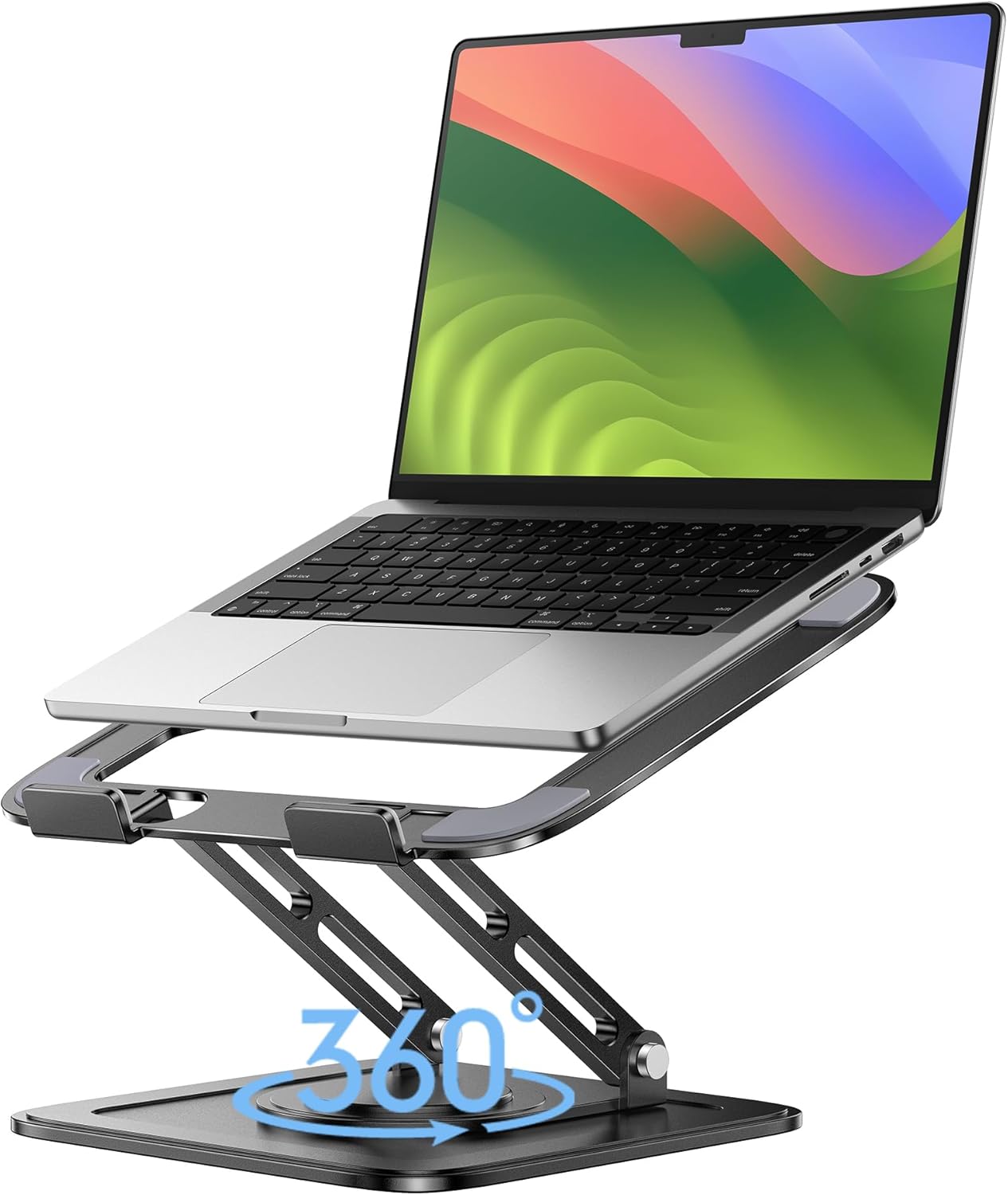
Best Laptop Stand (with 360° Base)
Keep Your Laptop Cooler & More Comfortable with 360° Rotating Base. Improve Airflow & Reduce Heat. Adjustable Height & Viewing Angle.
Shop on Amazon
Understanding Why Your Surface Is Not Detecting a Monitor
When your Microsoft Surface doesn’t detect an external monitor, the issue often involves hardware connections, software settings, or compatibility constraints. Identifying the root cause requires checking physical connections, driver status, and system configurations specific to Windows and Surface devices.
Common Causes of Detection Issues
Your Surface might fail to detect a monitor due to loose or faulty cables, improper input source settings, or outdated drivers. Using low-quality or incompatible video cables can interrupt communication between your device and the display.
Power cycling the monitor often resolves connection glitches. Software conflicts or missing updates in Windows 10 or Windows 11 can also prevent detection.
A corrupted or outdated display adapter driver may stop your Surface from sending video signals correctly. Additionally, improper projection settings (accessed via Windows key + P) can cause your external display to remain inactive.
Compatibility Considerations for Monitors and Accessories
Not all external monitors or accessories work seamlessly with Surface devices. Microsoft Surface supports specific cables and adapters, such as USB-C to DisplayPort or HDMI adapters designed for Surface.
Using third-party or non-certified accessories often causes detection failure. Your Surface might also face issues if the monitor’s firmware or video input settings (e.g., DisplayPort version, input source) are incompatible.
For multi-monitor setups, configurations like DisplayPort Multi-Stream Transport (MST) must be supported and correctly enabled to allow daisy chaining. Ensure your external display supports the resolution and refresh rates your Surface is set to deliver.
Otherwise, Windows might disable the connection automatically.
How Windows, Surface, and Monitors Communicate
Communication between your Surface, Windows OS, and the monitor happens through hardware drivers and specific protocols like DisplayPort or HDMI standards. Windows manages display detection by querying connected hardware using Plug and Play.
The Surface firmware and its Surface app help maintain up-to-date drivers and firmware essential for proper handshake with external monitors. Window display settings control output modes like duplicate, extend, or second screen only.
Misconfigurations here can block detection. Surface Dock or external adapters rely on USB-C or DisplayPort Alternate Mode to transmit video signals.
If these layers fail—due to driver issues or hardware faults—your external monitor won’t be recognized. For more guidance, see Troubleshoot connecting Surface to an external display.
Quick Troubleshooting Steps for Detection Problems
When your Microsoft Surface isn’t detecting an external monitor, focusing on connectivity, input settings, and device restarts often resolves the issue. Attention to cable quality, port compatibility, and display configurations can quickly identify simple problems without complex fixes.
Checking Physical Connections and Cables
Start by inspecting all physical connections between your Surface and the external monitor. Ensure that cables like DisplayPort, USB-C, HDMI, DVI, or VGA are securely plugged in at both ends.
Loose or partially inserted cables are a common reason monitors fail to detect. Use high-quality video cables designed for your Surface or recommended accessories.
Avoid cheap or damaged cables as these can cause intermittent signal failures. If using a Surface Dock, confirm the dock itself has a stable power supply and check that the monitor is properly connected to the dock’s video output.
Visually check for any bent pins or damaged connectors on cables and ports. If possible, replace the cable with a known working one to eliminate the cable as the issue.
Re-seat all connections firmly to ensure proper contact.
Verifying Monitor Input and Display Mode
Your external display must be set to the correct video input to recognize the signal from your Surface. Check the monitor’s on-screen menu and confirm it is set to the active connection type—whether DisplayPort, USB-C, HDMI, or another input.
Adjust the video input setting if it doesn’t match the cable connected to your Surface. Some monitors list these under names like “Input,” “Source,” or specific port types like “DP1.2” for DisplayPort 1.2.
On your Surface, use the Windows key + P shortcut to select a display mode: Duplicate, Extend, or Second screen only. Choosing the wrong mode can prevent the external monitor from displaying.
Experiment with these options to activate your second screen.
Testing with Alternate Ports or Devices
If your Surface fails to detect the monitor through one port, switch to a different port if available. For example, try another USB-C port or switch from HDMI to DisplayPort.
Ports can sometimes have hardware or compatibility issues. Test your video adapter or cable with a different monitor, TV, or projector.
This helps determine if the issue lies with your original external display or the Surface hardware. Similarly, connect the external monitor to another device to confirm it is working properly.
If you’re using a Surface Dock, try connecting the monitor directly to your Surface device to bypass the dock and check if detection improves.
Restarting Devices and Power Cycling
A simple restart of both your Surface and external monitor often resolves detection glitches. Shut down your Surface completely, power off the monitor, then unplug the monitor’s power cable.
Wait 30 seconds before plugging the monitor back in and turning it on. After the monitor is fully powered, start your Surface again.
This power cycling can reset the video handshake between devices. If connected through a dock, disconnect it during this process as well.
Restarting clears temporary hardware states that may block proper connection recognition. This improves reliability when you reconnect.
Advanced Fixes and Configuration Adjustments
Addressing Surface monitor detection issues often requires precise adjustments in software and hardware settings. Ensuring your system firmware, drivers, and display configurations are correctly set up can resolve many stubborn connectivity problems.
Sometimes clearing cached data or handling dock-specific settings will also be necessary.
Updating Windows, Drivers, and Firmware
Start by checking for updates via Windows Update and the Surface app. You need the latest graphics drivers, surface drivers, and firmware to support external display connections properly.
Open Device Manager, locate your display adapters, and update them manually if automatic updates fail. Also, verify your Surface firmware and BIOS are current.
These updates often fix compatibility issues affecting monitor detection. Use the Surface app’s Help & support section to confirm everything’s up to date.
The Surface Diagnostic Toolkit can assist by identifying missing or faulty updates automatically. Ensuring your system is fully patched removes many common software causes for display failures.
Configuring Display Settings and Detect Displays
Open Display Settings on your Surface and press the Windows logo key + P to cycle through display modes like Duplicate, Extend, or Second screen only. Select the correct mode to activate your external monitor.
If your second monitor is not detected automatically:
- Right-click the desktop, choose Display settings.
- Scroll to the Multiple displays section.
- Click Detect to force Windows to look for connected screens.
Ensure your external monitor’s input source matches the cable type (HDMI, DisplayPort, USB-C, etc.). Incorrect input selection on the monitor can prevent detection.
Adjust display resolution and refresh rate to recommended values supported by both your Surface model and the external monitor.
Clearing Display Cache and Registry Solutions
Sometimes residual settings in the system interfere with recognizing external displays. To fix this, clear your display cache through a Surface-specific registry file.
Steps include:
- Disconnect your Surface from any external displays or docks.
- Download and run the Surface Dock registry file designed to reset display cache.
- Accept prompts to make changes in the registry.
- Restart your Surface before reconnecting displays or docks.
This procedure resolves display cache corruption that blocks proper detection.
It’s a reliable method when driver reinstallation and standard troubleshooting fail.
Surface Dock Specific Troubleshooting
If you are using a Surface Dock, you must confirm its firmware and settings are current. Visit the Surface support site or run the Surface app to update dock firmware, which is separate from the main device firmware.
Check the dock’s connectivity by removing and reinserting cables firmly. Use the recommended Designed for Surface Accessories adapters and cables only, as incompatible hardware can cause detection failures.
When facing persistent issues, uninstall the dock from Device Manager, reboot your Surface, and then reconnect the dock to trigger a fresh driver installation. The Surface Dock registry reset may also help resolve residual firmware conflicts affecting monitor output.
Considerations for Special Setups and Persistent Issues
Addressing issues with your Microsoft Surface not detecting an external monitor often involves close attention to specific hardware compatibility and configuration details. Factors like adapter type, display settings, and device capabilities all play important roles and can impact your connection success.
Adapter Compatibility and Multi-Monitor Setups
When using adapters such as USB-C to HDMI, USB-C to DisplayPort, or USB-C to VGA, ensure they are certified or recommended for Surface devices to avoid connection failures. Generic or low-quality adapters can cause detection issues.
If your setup includes multiple monitors, be aware that your Surface and monitors must support daisy chaining via DisplayPort 1.2 or Multi-Stream Transport (MST). In a multi-monitor setup, you typically connect your Surface’s Mini DisplayPort to the first monitor’s DisplayPort input.
Then, connect that monitor’s output to the next display. Check that all monitors have DisplayPort 1.2 enabled, as older versions or disabled MST features prevent proper detection.
Always confirm your cables and adapters fully support the resolutions and refresh rates you intend to use. Using the appropriate adapters, such as those available on the Microsoft Store, helps ensure reliable detection and prevents intermittent signals.
Resolution, Refresh Rate, and Hardware Limitations
Your Surface’s graphics card and controllers impose limits on maximum resolution and refresh rate output. When connecting to external displays, verify that your monitor’s display settings do not exceed these limits to avoid detection failures.
For example, attempting to run a 4K monitor at 120Hz may not be supported by your Surface model. Check your monitor’s native resolution and adjust your Surface’s video output accordingly via the display settings menu (Windows key + P → Display settings).
Refresh rates above 60Hz require compatible cables and adapters. USB-C to DisplayPort adapters generally handle higher refresh rates better than USB-C to VGA or HDMI.
If a display’s resolution or refresh rate is unsupported, your Surface might fail to recognize the monitor or display a black screen. Dell monitors and other brands may include on-screen menus to adjust input settings or switch between DisplayPort versions, which can resolve compatibility issues.
When to Seek Professional Help or Surface Support
If repeated troubleshooting of cables, adapters, display settings, and power resets does not resolve detection issues, professional assistance may be necessary.
Hardware faults in your Surface’s USB-C or DisplayPort controller or the dock can cause persistent failures.
You can contact Microsoft Support for device diagnostics or request repair services.
Microsoft Store technicians can verify whether your accessories and Surface hardware are functioning correctly, especially if your device is under warranty.
For community-driven solutions, platforms like Reddit often provide user experiences with specific adapter models or rare compatibility issues.
When using docks or complex setups, consulting detailed manufacturer guides or Surface-specific troubleshooting articles becomes crucial to avoid damaging hardware or misconfiguring your setup.