
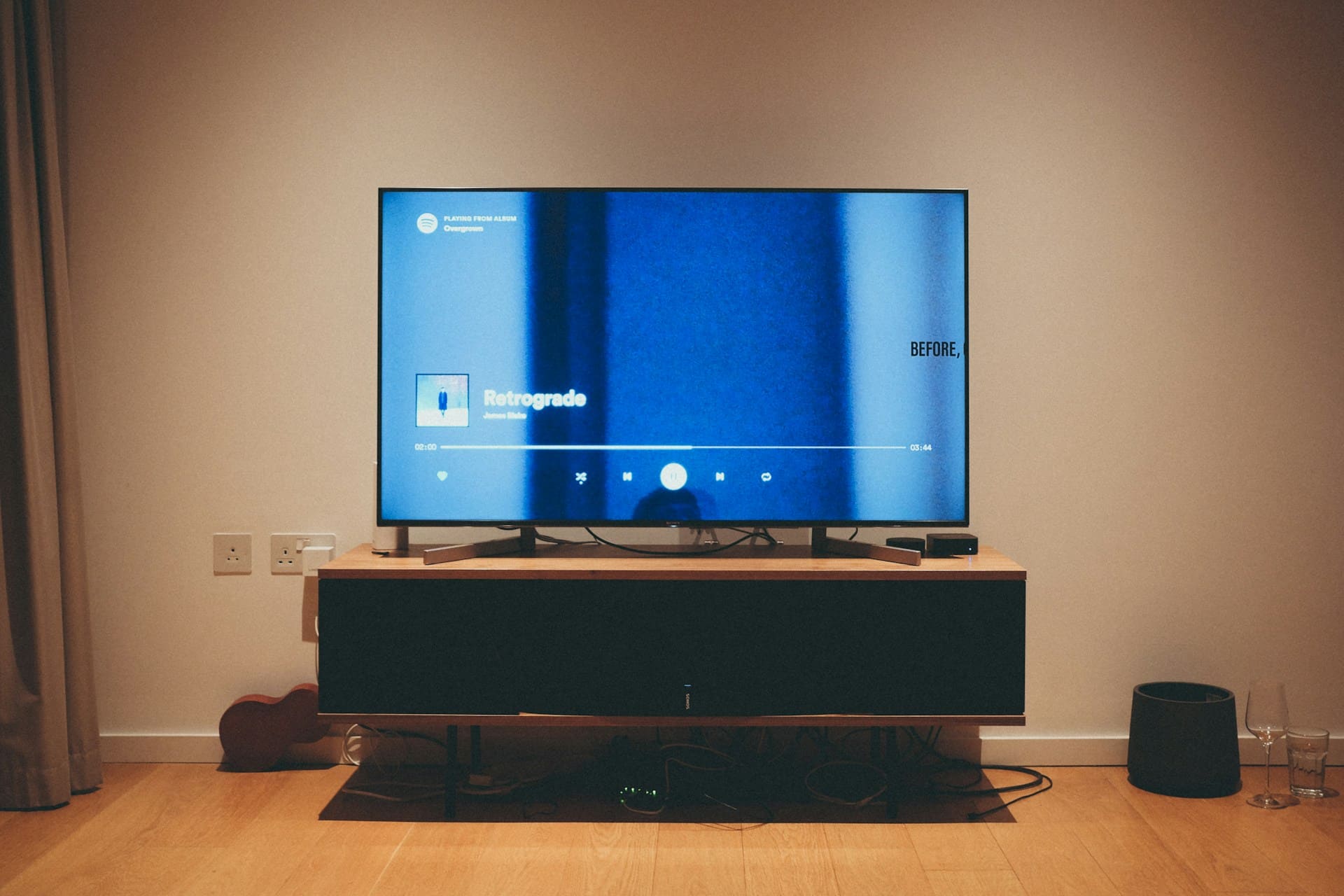
If your Samsung TV is not mirroring, it’s often because your devices are not connected to the same Wi-Fi network, the screen mirroring feature is disabled, or software needs updating. Ensuring both your TV and device are on the same stable network with screen mirroring enabled usually resolves most issues quickly.
You might also face problems if there is interference from other wireless devices or outdated software on your TV. Simple steps like restarting your TV and device, checking settings, and updating the TV software can restore the connection.
Understanding how screen mirroring works and the requirements your devices must meet can save time and frustration. This guide will help you identify common causes and walk you through effective solutions to get your Samsung TV mirroring again. For more detailed troubleshooting, visit why your Samsung TV is not screen mirroring.
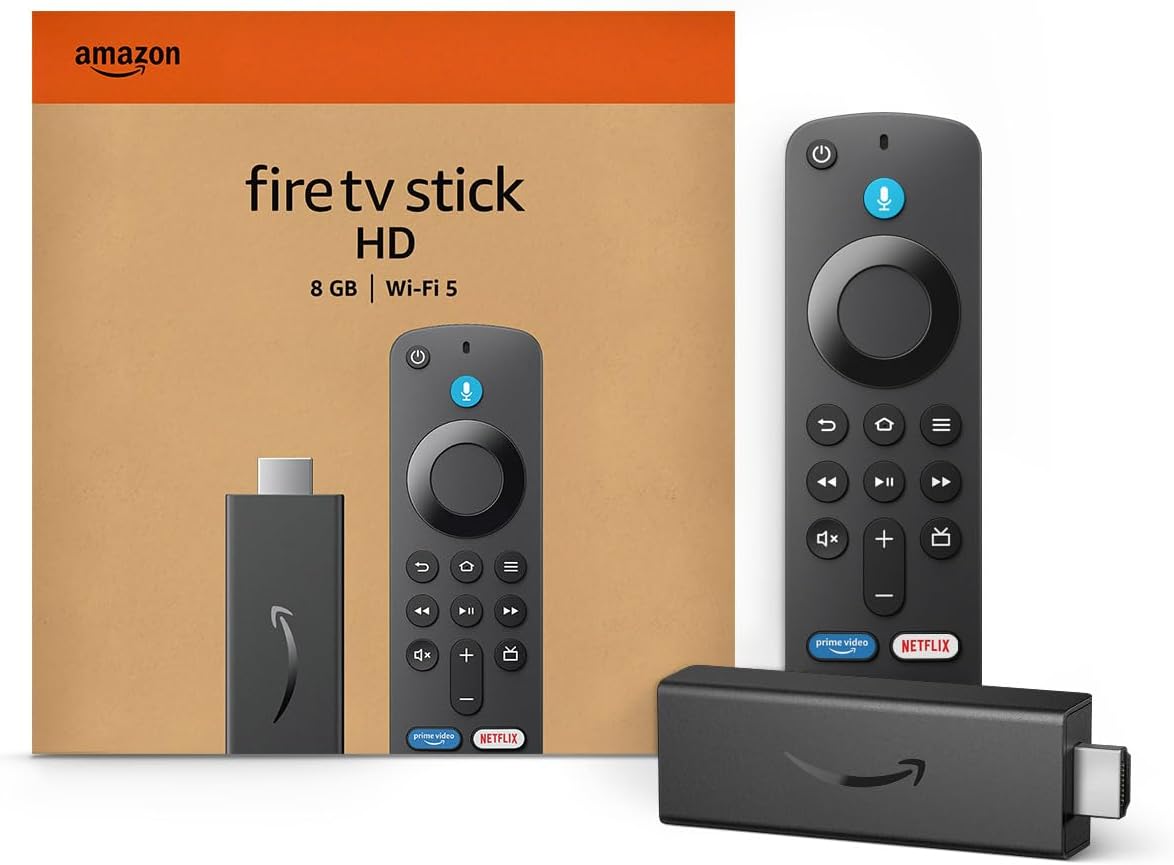
Amazon Fire TV Stick HD
Turn Any TV to a Smart TV. Stream Netflix, Prime Video & More. Alexa Voice Remote Included. Easy Plug & Play Setup.
Shop on Amazon
Essential Reasons for Samsung TV Not Mirroring
When your Samsung TV won’t mirror, the cause often lies in network setup, device compatibility, or interference from wireless signals. Ensuring your TV and casting device are set up correctly and properly connected is critical to avoid connection failures.
Wi-Fi Network Requirements
Your Samsung TV and the device you want to mirror from must be connected to the same Wi-Fi network. If your TV’s network status shows it’s connected to a different or weak network, mirroring will fail. Check this by navigating to Settings > Network > Network Status on your Samsung Smart TV. Also, confirm that your casting device (phone, tablet, or computer) is on that identical Wi-Fi network.
A stable Wi-Fi connection supports uninterrupted screen mirroring—unstable signals or network congestion can cause lag or disconnections. Both 2.4GHz and 5GHz bands are usually supported by Samsung Smart TVs; however, 5GHz is preferred when available for smoother streaming.
If your devices connect to separate access points or guest networks, communication between them is restricted, and you won’t see your Samsung TV as an available casting target. Ensuring matching network connections resolves this common issue.
Device Compatibility and Supported Protocols
Not every device pairs smoothly with Samsung TV screen mirroring. Samsung uses Smart View for Galaxy phones and supports Miracast and AirPlay 2 protocols for compatible devices. For Android phones running 4.3 or later, Miracast wireless display technology enables direct mirroring without cables, but your device must support it.
Apple devices use AirPlay 2 to mirror content wirelessly. If your TV or device lacks the required software versions or compatibility, the connection will fail silently. Older TVs may not support AirPlay 2 or Miracast.
Check your device’s mirroring options—called “Cast,” “Screen Mirroring,” or “Smart View,” depending on brand—and ensure they match the protocol supported by your Samsung Smart TV. Unsupported devices sometimes require third-party apps or adapters.
Enabling the Screen Mirroring Feature
Your Samsung TV must have screen mirroring enabled to show up as an available receiver. On most models, press the Home button on the remote, go to Settings > Connections > Screen Mirroring, and toggle it on.
Some Samsung TVs label this feature as Smart View or place it within Device Connection settings, depending on the model and software version. Make sure to check both if “Screen Mirroring” is missing.
Without explicitly enabling this feature, your TV won’t advertise itself for mirroring on the network, causing your device to not detect it. Also, ensure your TV software is updated regularly to avoid bugs that block or disable mirroring.
Bluetooth and Signal Interference
Bluetooth, while often useful, can interfere with Wi-Fi and screen mirroring signals. Both Bluetooth and Wi-Fi operate around similar frequencies, and active Bluetooth connections can disrupt the casting workflow.
Temporarily disable Bluetooth on your smartphone or tablet when trying to mirror. For Android, you can do this under Settings > Bluetooth, and for iOS, swipe down on the home screen or go to Settings to turn it off.
Additionally, physical obstructions and nearby wireless devices can degrade the Wi-Fi signal your Samsung TV relies on. Keep the casting source, TV, and router within reasonable range and minimize devices that emit radio frequency interference.
Addressing Wi-Fi conflicts and disabling Bluetooth often resolves many common mirroring failures without needing advanced troubleshooting.
Step-By-Step Solutions to Fix Screen Mirroring Issues
Ensuring your Samsung TV and casting device work seamlessly together requires a clear focus on connectivity, software status, and correct settings. You can resolve most screen mirroring problems by methodically addressing device restarts, software updates, and adjusting key permissions and apps.
Restarting Devices and Network Equipment
Begin by restarting your Samsung Smart TV and the device you want to mirror, such as your phone or tablet. Unplug your TV from power for about 60 seconds before plugging it back in to clear temporary glitches. Similarly, reboot your casting device by selecting the restart option.
It’s also critical to reboot your router or modem to refresh the network connection. Network instability can cause the screen mirroring feature to fail or drop unexpectedly. After restarting the network equipment, verify the Samsung TV’s network status by going to Settings > Network > Network Status to ensure it connects to the same Wi-Fi as your device.
Checking and Updating Software
Outdated software often leads to compatibility issues that block screen mirroring. Check for updates on your Samsung TV under Settings > Support > Software Update > Update Now. Make sure to install any available updates.
On your smartphone or tablet, verify system updates via system settings (e.g., Settings > General > Software Update on iOS or Settings > System > System Update on Android). Keeping both devices updated ensures they support the latest screen mirroring protocols and bug fixes, reducing the chance of issues.
Using SmartThings or Alternative Apps
Samsung’s SmartThings app offers a reliable way to connect and mirror your device to the Samsung Smart TV. Download and open SmartThings, then select your TV and follow on-screen instructions to mirror your screen. This app can provide a better experience than default casting options.
If SmartThings doesn’t solve the issue, consider third-party apps like AllCast or LocalCast. These apps can bypass certain limitations or offer broader compatibility, especially if your device has trouble connecting using native features. Always ensure the app permissions are enabled for optimal functioning.
Granting Permissions and Adjusting Settings
Your device must have the correct permissions enabled for screen mirroring to function properly. On your phone or tablet, check that screen casting permissions and Wi-Fi access are granted for the mirroring app or function. Disable VPNs if active, as they can interfere with local network discovery.
On your Samsung TV, enable screen mirroring by navigating to Settings > Connections > Screen Mirroring and ensure it is switched on. Additionally, temporarily turn off Bluetooth on your device, as it can sometimes conflict with Wi-Fi mirroring. Adjust display resolution or orientation settings if the mirrored image appears distorted or delayed.
Troubleshooting Device-Specific Problems
Screen mirroring issues often stem from the specifics of the device you are using. Addressing these challenges requires understanding the differences in protocols, software compatibility, and common error triggers for your particular phone or casting method.
Android Phone Mirroring Difficulties
If you’re using an Android phone, most Samsung TVs support Miracast-based screen mirroring, often through Smart View. Ensure your phone and TV are connected to the same Wi-Fi network. Discrepancies here frequently block the connection.
Check if your phone’s software is updated and try restarting both devices. Some Android models may require you to enable permissions on the TV when the connection request appears. Be cautious of VPNs or unstable networks—they can interrupt the casting process.
Also, DRM-protected content typically won’t mirror due to restrictions, so test using non-protected apps or files first. Adjust the aspect ratio on your phone’s Smart View settings if the mirrored screen appears distorted or small.
iPhone and AirPlay Connection Errors
With iPhones, you rely on AirPlay or AirPlay 2 for mirroring to compatible Samsung TVs. First, verify both devices are on the same Wi-Fi network. Your TV must support AirPlay 2, so check this in the settings or user manual.
If your TV doesn’t appear as a mirroring option, update its firmware. Also, remember that some network restrictions, including VPNs or dual-band Wi-Fi conflicts, can prevent connection. Give both devices a restart to refresh network settings.
AirPlay can fail if your iPhone’s screen recording or mirroring is disabled or restricted. DRM-protected content, such as certain streaming services, may not mirror due to copyright protections.
Third-Party Casting Devices and HDMI Workarounds
If native mirroring isn’t working, third-party devices like Chromecast can be a reliable alternative. With Chromecast, ensure your casting app supports Google Cast and that both devices are on the same network.
For older or incompatible devices, using an HDMI cable with an adapter (USB-C to HDMI or Lightning to HDMI) often bypasses wireless issues entirely. Plugging directly into the TV’s HDMI port provides a stable connection without network interference.
Check that your HDMI adapter supports your phone’s output resolution for optimal display. Note that wired connections do not support touch input or remote control of your phone from the TV but offer consistent video and audio quality.
Advanced Tips and Alternative Solutions
To improve your Samsung TV screen mirroring experience, focus on fine-tuning your network environment, adjusting device settings that might block connections, and optimizing the TV’s display preferences. These adjustments can resolve persistent issues that basic troubleshooting often misses.
Network Optimization and Signal Strength
Your Wi-Fi connection is critical for smooth screen mirroring. Ensure both your Samsung Smart TV and casting device are connected to the same stable network. Use a 5GHz band if available, as it offers faster speeds and less interference than 2.4GHz.
Place your router closer to the TV or remove obstacles that might weaken the signal. Avoid crowded Wi-Fi channels by using a router’s admin panel to select a less congested channel. If your network setup supports it, enable Quality of Service (QoS) to prioritize streaming traffic.
You can also try restarting your router and checking network settings for IP conflicts. Avoid using VPNs while casting, as they can interrupt local device discovery. Finally, disable any automatic power-saving features like Auto Protection Time on your TV that might reduce network performance during mirroring.
Resolving Restrictive Settings
Some built-in security or privacy settings on your Samsung TV or casting device may prevent screen mirroring from functioning properly. On your TV, check under Settings > Connections for options like Device Connection Manager or Smart View permissions and ensure your casting device is allowed.
On your smartphone or tablet, disable VPNs and temporarily turn off Bluetooth, which can interfere with casting over Wi-Fi. Also, verify that network profiles allow device discovery and file sharing.
If you use third-party security apps, adjust their settings to permit local network access. Clearing cached data for any casting or mirroring apps on your mobile device can also resolve conflicts. Make sure your TV’s software is up to date to avoid compatibility issues caused by outdated firmware.
Adjusting Aspect Ratio and Display Preferences
Once your devices connect successfully, you might notice distortion or black bars during mirroring. To fix this, dive into your TV’s Picture settings and locate the Aspect Ratio option. Set it to 16:9 or Just Scan to allow your TV to display the incoming image correctly without cropping or stretching.
On your casting device, check if the screen mirroring app or system settings allow you to adjust resolution or orientation. Rotating your device or switching between landscape and portrait modes can improve the display.
Samsung Smart TVs also offer display presets like Standard or Movie modes that can impact color and clarity. Experiment with these to find the best balance for your mirrored content. Adjusting these parameters ensures your viewing experience is sharp and properly proportioned.
For more detailed fixes, explore methods tailored to your device on guides like 15 Ways to Fix Screen Mirror or Cast Not Working on Samsung TV.