
If your Samsung TV is not keeping settings after you change them, it’s often due to software glitches, outdated firmware, or corrupted temporary files. Update your TV’s firmware, perform a power cycle, or reset internal settings to clear glitches that prevent your changes from being saved.
Sometimes, external devices or remote control apps interfere with your TV’s ability to retain settings. Disconnecting these and testing changes using only the physical remote can help isolate the problem.
You should also verify that your TV’s internet connection is stable, as some models rely on syncing settings through the cloud. If none of these steps work, a factory reset or contacting Samsung support may be necessary to fix deeper software or hardware issues.
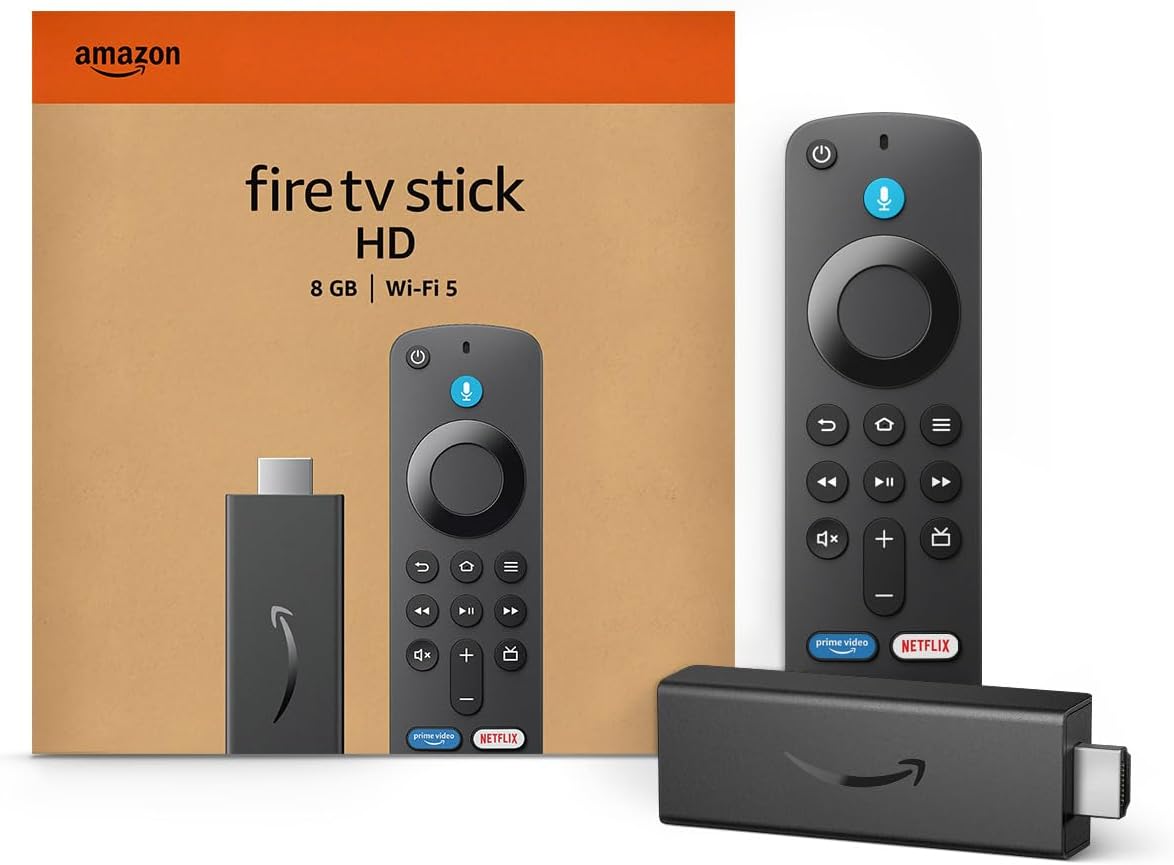
Amazon Fire TV Stick HD
Turn Any TV to a Smart TV. Stream Netflix, Prime Video & More. Alexa Voice Remote Included. Easy Plug & Play Setup.
Shop on AmazonFor detailed methods to troubleshoot, see this guide on how to fix Samsung TV settings not saving.

Core Reasons Samsung TV Is Not Keeping Settings
When your Samsung TV fails to save changes, the cause often lies in specific software or hardware factors. Issues can range from glitches in the system firmware to conflicts caused by connected devices or improper setup processes.
Understanding these will help you address the problem effectively.
Software Glitches and Firmware Issues
Your Samsung TV might not keep settings due to software glitches or outdated firmware. Firmware controls how the TV processes inputs and saves preferences, so if it is corrupted or outdated, the TV may reset to default settings.
If your TV’s firmware update is incomplete or interrupted, it causes instability. Sometimes, bugs in the current version may prevent setting retention.
Performing a firmware update through your TV’s Settings or Samsung Support can resolve this. Soft resets or power cycles might temporarily fix these glitches, but if issues persist, a factory reset or reinstalling firmware may be necessary to clear corrupted caches or settings conflicts.
Input Source and Device Factors
Settings on your Samsung TV can fail to save if connected devices or input sources interfere. If a device like a gaming console or HDMI switch sends conflicting signals or overrides commands, the TV may revert to factory settings.
Different input sources sometimes have preset picture or sound profiles. When you switch between inputs, the TV might load those default profiles, disregarding your customized settings.
Ensuring all connected devices are compatible and updated can reduce interference. You should check your input devices and try adjusting settings while disconnected to identify if external hardware causes the problem.
Effect of Factory Reset and Initial Setup
A factory reset erases all personalized settings and restores your Samsung TV to out-of-the-box defaults. After this reset, the TV often requires reconfiguration from scratch.
Failure to complete the initial setup properly can lead to your changes not saving. If your TV is accidentally in Store Mode (retail demo mode), resets happen automatically to maintain default conditions.
This prevents you from saving any changes long term. To fix this, navigate to Menu → Support → Use Mode and set your TV to Home Mode.
Completing the first-time setup thoroughly after any reset ensures your settings get stored correctly going forward.
Conflicting and Overwritten Picture Settings
Samsung TVs have various picture settings like brightness, contrast, and color temperature. Changes might not stick if conflicting profiles or auto-adjust features are enabled.
For example, enabling Dynamic Mode or certain picture enhancers may override your manual adjustments after a restart. Some TVs automatically revert to default picture presets when powered off.
To avoid this, turn off automatic picture adjustment modes and save your custom profiles explicitly. Using the TV’s Picture Mode options in combination with manual adjustments typically preserves your preferred viewing experience.
If problems continue, resetting picture settings and adjusting them individually can help prevent overwriting conflicts.
How to Properly Save and Adjust Picture Settings
Adjusting your Samsung TV’s picture settings requires precision to ensure the best viewing experience and that your changes remain saved. Focus on selecting the right picture mode, fine-tuning brightness, contrast, and color, and making sure these settings apply consistently across different inputs.
Choosing the Right Picture Mode
Selecting the correct picture mode sets the baseline for your TV’s display. Samsung TVs offer modes like Standard, Movie, Dynamic, Natural, and sometimes a dedicated Game Mode.
Standard is well-balanced for everyday viewing. Movie (Cinema) mode reduces brightness and sharpness to offer more accurate colors, ideal for watching films.
Dynamic mode boosts brightness and contrast but can cause oversaturation in some rooms. Game Mode reduces input lag and motion smoothing, essential if you’re using a Blu-ray player or gaming console.
Switching to the appropriate mode for your source device can prevent constant adjustments. Use your remote to access the Picture menu, then select the mode best suited for your content.
Customizing Brightness, Contrast, and Color
Once you’ve set your picture mode, adjust brightness, contrast, and color for clearer, more vibrant images. Brightness controls black level depth; set it so dark scenes show detail without losing shadow information.
Contrast manages the intensity of whites and highlights; increase it until the brighter areas look vivid but not blown out. Color adjusts saturation and tone; too high makes colors unnatural, too low makes them dull.
Use test scenes or calibration videos when possible. Additionally, tweak sharpness carefully; excessive sharpness introduces noise.
Disabling motion smoothing can also improve natural motion rendering. After adjustments, save the settings by confirming changes in the on-screen menu to avoid losing them.
Ensuring Settings Apply to All Inputs
Many users find that picture settings reset or differ when switching between HDMI ports or connected devices. To maintain consistency, adjust your picture settings on the input you use most often, like HDMI 1 for Blu-ray.
Check if your TV’s settings menu has an option to apply picture settings globally or customize per input. If specific inputs revert to defaults, create profiles or manually save settings for each device.
Disconnect external devices temporarily if settings refuse to save, as some peripherals or remote apps can interfere. Monitoring network syncing options is also important if your TV tries to save settings through cloud profiles.
For detailed steps on fixing persistent saving issues, consult a guide on troubleshooting Samsung TV settings not saving.
Troubleshooting Steps to Prevent Settings Loss
Maintaining your Samsung TV’s settings can often hinge on keeping its software current, ensuring proper connections, and using the remote correctly. Addressing these areas helps reduce unexpected resets and preserves your personalized configurations.
Performing Firmware Updates
Firmware updates fix bugs and improve overall performance. You should regularly check for updates by navigating to Settings → Support → Software Update → Update Now.
Ensure your TV is connected to a stable internet source before starting the process. If an update is pending, complete it promptly, as outdated firmware can cause settings not to save properly.
Updates often resolve glitches related to picture adjustments or app settings. Sometimes, after a firmware update, a soft reset or power cycle helps finalize changes.
Keeping your firmware current is essential to avoid conflicts that may reset your preferences without warning.
Checking HDMI Cables and Connected Devices
Faulty or incompatible HDMI cables and connected peripherals can interfere with TV settings. Confirm you are using high-quality HDMI cables that meet your TV’s specifications (e.g., HDMI 2.0 or higher for 4K TVs).
Loose or damaged cables may cause the TV to reset display settings automatically. Check connected devices for issues as well.
Some HDMI-CEC features can trigger changes in picture or sound settings. If your TV resets frequently after connecting certain devices, try disconnecting them one at a time to identify the cause.
Keeping cables secure and using devices with updated firmware reduces potential conflicts affecting your settings.
Using the Samsung TV Remote Effectively
Your Samsung TV remote controls menu navigation and settings adjustments. Avoid repeatedly pressing multiple buttons quickly, as rapid commands can cause the TV’s software to lag or fail to save changes.
Make sure the remote’s batteries are fresh; weak batteries may send incomplete signals. Use the dedicated menu and info buttons rather than shortcuts for making permanent changes.
For instance, use Menu → Settings to modify picture or sound preferences instead of using quick toggles. Confirm changes before exiting menus to ensure the TV registers your inputs.
Proper remote use helps the TV record settings reliably without accidental resets or confusion.
For further troubleshooting tailored to your situation, see detailed advice on how to fix Samsung TV settings not saving.
Restoring Settings and When to Contact Support
If your Samsung TV fails to keep your settings, there are effective steps you can take to restore its original configuration. Sometimes a factory reset is necessary to wipe out glitches.
However, knowing when to escalate the issue to professional support can save time and protect your investment.
Factory Reset Procedures
Performing a factory reset restores your TV to its original settings by deleting all customized preferences and data. To begin, access the Settings menu with your remote and navigate to the General or Support section.
Select Factory Reset or Reset, then enter your security PIN—commonly “0000”—when prompted. Confirm the reset and wait for the TV to restart.
This process removes software errors that could be preventing settings from being saved properly. After the reset, you will need to reconfigure your preferences from scratch.
Keep in mind that network settings may sometimes be excluded from the reset. More detailed instructions are available in the guide on how to factory reset Samsung TV.
When to Reach Out to Samsung Support
If resetting your TV does not fix the problem, or if the issue recurs frequently, it’s time to contact Samsung Support.
Persistent settings problems can indicate deeper hardware faults or complex software bugs that require professional diagnosis.
Before reaching out, gather details such as your TV model, serial number, firmware version, and a description of the issue.
You can visit the official Samsung support website or call their customer service for assistance.
They can provide advanced troubleshooting, firmware updates, or arrange a technician visit if needed.