

If your Samsung TV AirPlay isn’t working, the issue usually comes down to connectivity or settings problems. Make sure both your TV and your Apple device are connected to the same Wi-Fi network and that AirPlay is enabled in your TV’s settings. This simple check resolves most connection issues immediately.
Other common causes include outdated software, network interruptions, or needing to reset your TV’s Smart Hub. By troubleshooting these areas, you can quickly restore smooth streaming from your iPhone, iPad, or Mac to your Samsung TV.
Understanding these key points will save you time and frustration and get your devices communicating properly again. For detailed steps and solutions, keep reading to fix the AirPlay connection on your Samsung TV.
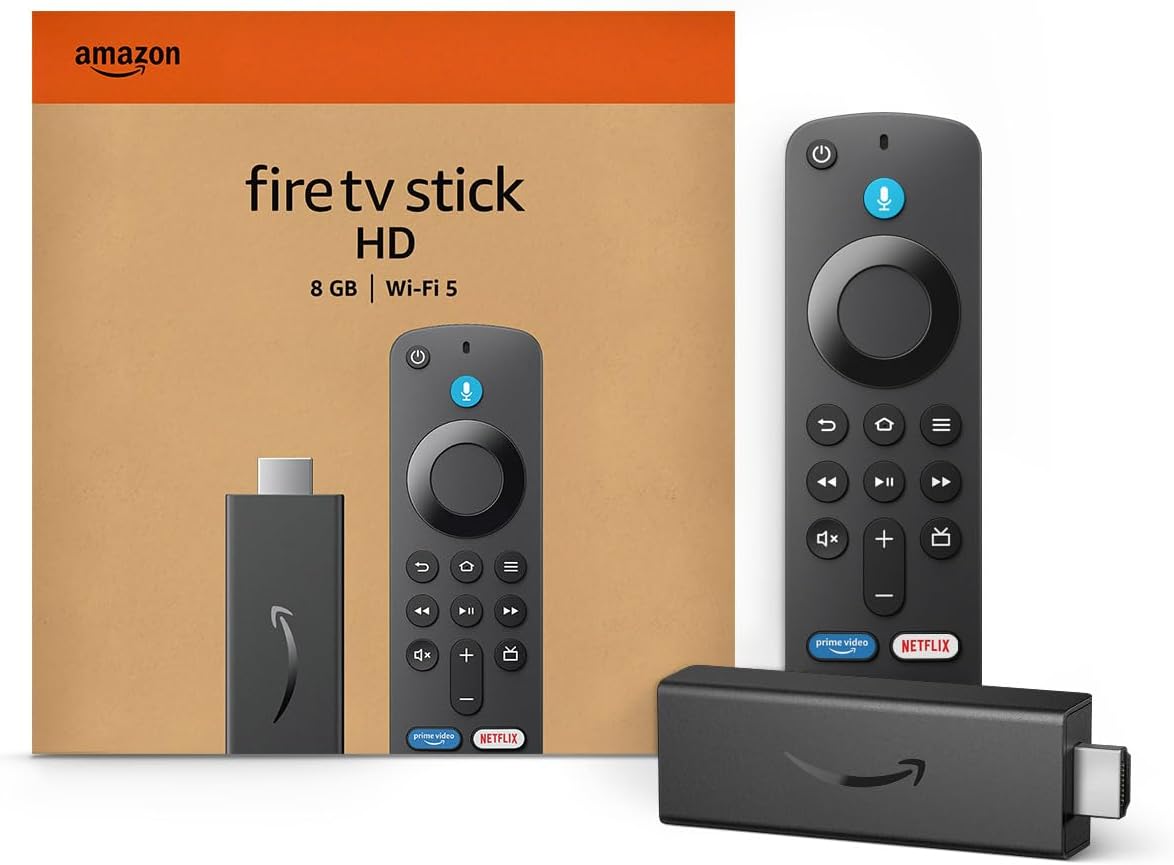
Amazon Fire TV Stick HD
Turn Any TV to a Smart TV. Stream Netflix, Prime Video & More. Alexa Voice Remote Included. Easy Plug & Play Setup.
Shop on AmazonLearn more from Samsung’s official troubleshooting guide.

Common Causes of AirPlay Not Working on Samsung TV
When AirPlay fails on your Samsung TV, the problem often lies in areas related to device compatibility, network connectivity, settings configuration, or software issues. Identifying these specific causes can help you focus your troubleshooting effectively.
Device Compatibility Issues
Your Samsung TV must support AirPlay to establish a connection, which typically requires a model from 2018 or later running the Tizen operating system. Older models or those without native AirPlay support won’t appear as AirPlay targets.
Also, your Apple device needs to run an updated iOS, iPadOS, or macOS version compatible with AirPlay 2. Using outdated software on your iPhone, iPad, or Mac can prevent the connection. Check for updates on both your devices to ensure they are current.
If you try to AirPlay from unsupported apps or media types, streaming may fail. Testing with native apps like Photos, YouTube, or Netflix can help determine if the problem is device or content specific.
Wi-Fi Network and Connectivity Problems
Both your Samsung TV and Apple device must be connected to the same Wi-Fi network for AirPlay to work. This includes using the same network frequency band—either 2.4 GHz or 5 GHz.
If your TV and device are on different networks, AirPlay connections will fail silently. Router settings like guest networks or Wi-Fi isolation can also block communication between devices.
Interference or weak Wi-Fi signals might cause lag, freezing, or dropouts during streaming. Restarting your router and reconnecting both devices can often resolve these network-related issues.
Incorrect AirPlay Settings
Proper setup of AirPlay on your Samsung TV is essential. You need to enable AirPlay in the TV’s settings menu under Connection > Apple AirPlay Settings. If AirPlay is missing, perform a Smart Hub reset and ensure you are signed into your Samsung account.
On your Apple device, AirPlay must also be configured correctly, and the target TV must appear in the device’s AirPlay list. Sometimes toggling AirPlay off and on can clear minor glitches.
Pay attention to privacy and security settings on your TV that might block AirPlay. Setting AirPlay to allow connections from ‘Everyone’ or trusted devices can prevent connection refusals.
Firmware and Software Glitches
Running outdated firmware on your Samsung TV can cause AirPlay issues. Navigate to Settings > Support > Software Update to check for and install any available updates.
Similarly, bugs in your Apple device’s operating system can interfere with AirPlay. Keeping both devices updated ensures optimal compatibility and stability.
Occasionally, system glitches within the TV’s Tizen OS can block AirPlay. Performing a Smart Hub reset or restarting the TV can refresh system processes and restore proper AirPlay function.
Essential Checklist to Resolve AirPlay Issues
Addressing AirPlay connection problems on your Samsung Smart TV involves a series of focused checks related to device compatibility, network setup, device restarts, and software updates. Ensuring each of these areas is properly configured can often restore seamless streaming and mirroring.
Verify Compatibility with AirPlay 2 and Your Devices
To use Apple AirPlay on your Samsung TV, confirm that your model supports AirPlay 2. Most Samsung Smart TVs from 2018 or later have built-in AirPlay 2 compatibility. You can verify your model’s compatibility by checking Samsung’s official specifications or your TV’s settings menu.
Your Apple device must also support AirPlay 2. This includes iPhone, iPad, or Mac running the latest iOS, iPadOS, or macOS versions. Older Apple devices may not support all AirPlay features or may have connectivity issues.
If your TV or device isn’t compatible, AirPlay won’t function. Checking this first saves time before deeper troubleshooting. For detailed compatibility insights, see how to fix AirPlay not working on Samsung TV.
Ensure Both Devices Are on the Same Wi-Fi Network
AirPlay requires that your Samsung TV and Apple device are connected to the exact same Wi-Fi network. This means both must be on either the same 2.4 GHz band or the same 5 GHz band if your router broadcasts both separately.
Verify your iPhone, iPad, or Mac Wi-Fi connection in the device’s network settings. On your Samsung TV, go to Settings > Network > Network Status to confirm the Wi-Fi network name.
Using mobile hotspots or different Wi-Fi networks causes AirPlay to fail. Avoid connecting one device to a VPN or guest network, as these can isolate your devices from each other.
If you use a dual-band router, confirm the network names (SSID). Sometimes the 2.4 GHz and 5 GHz networks have different SSIDs. AirPlay typically works more reliably on 2.4 GHz with Samsung Smart TVs. Learn how to ensure your devices share a Wi-Fi connection at Samsung support.
Restart Samsung TV, Apple Device, and Router
Restarting your hardware can clear temporary glitches disrupting AirPlay connections. Power off your Samsung Smart TV completely, then unplug it for about one minute before plugging it back in and turning it on.
Do the same for your Apple device by restarting it. Also, reboot your router or modem by unplugging it for about 30 seconds and plugging it back in. This can fix underlying network conflicts blocking AirPlay.
Restarting all devices refreshes network settings and clears cached system errors. This step alone often resolves most AirPlay issues quickly.
Make sure to wait for each device to power fully on before attempting to use AirPlay again. This process is a basic but essential part of any AirPlay troubleshooting routine, detailed further in troubleshooting guides such as AirPlay Not Working on Samsung TV? Here is How to Fix it.
Update Samsung TV and Apple Device Software
Outdated software on either your Samsung TV or Apple device can cause AirPlay to malfunction. Check for and install the latest firmware update on your Samsung Smart TV by going to Settings > Support > Software Update > Update Now.
Similarly, on your iPhone or iPad, open Settings > General > Software Update to ensure your operating system is current. For Mac, click the Apple menu, select System Settings > General > Software Update.
Keeping both devices up to date improves compatibility and patches known bugs affecting Apple AirPlay. You can also set automatic updates on your Samsung TV to avoid missing future improvements.
Updating software is a key step in addressing persistent AirPlay issues, as confirmed in multiple troubleshooting sources like How to Fix Airplay Not Working on Samsung TV.
Advanced AirPlay Troubleshooting Steps
If basic fixes don’t restore your AirPlay connection, deeper adjustments to your TV and Apple device’s network and settings may be required. Managing resets, configuration tweaks, and interference can often resolve stubborn connectivity issues.
Reset Network Settings on TV and Apple Device
Start by resetting the network settings on both your Samsung TV and Apple device. On your Samsung TV, navigate to Settings > General > Network > Reset Network. This clears all saved Wi-Fi networks and connection data, forcing a fresh network setup. For your Apple device, go to Settings > General > Reset > Reset Network Settings. This removes all saved Wi-Fi passwords and VPN configurations.
After resetting, reconnect both devices to the same Wi-Fi network. Make sure your network uses a compatible frequency band (2.4 GHz or 5 GHz) that both devices support. This step eliminates potential conflicts caused by corrupted network data or outdated configurations.
Adjust AirPlay and Network Settings on Samsung TV
Check your Samsung TV’s AirPlay settings within the Connection menu. Confirm that AirPlay is enabled under Apple AirPlay Settings. If the option is missing, you may need to perform a Smart Hub reset and sign into your Samsung account to restore AirPlay functionality.
Verify your TV’s software is up to date by visiting Settings > Support > Software Update. Running the latest version of the Tizen operating system ensures compatibility with newer AirPlay protocols. Also, under your Wi-Fi settings, confirm that network features like Multicast or IGMP Snooping are active, as these support the device discovery necessary for AirPlay.
Disable VPN and Interfering Features
VPNs and certain firewall or security applications on either your TV or Apple device can block AirPlay traffic. If you’re using a VPN on your phone, tablet, or Mac, disable it temporarily to test if AirPlay connects.
Also, some Samsung Smart Hub security settings or third-party apps may restrict network communications. Disable any active firewall or network restrictions on your home router as a test. These features can interrupt the data packets AirPlay requires to stream content smoothly.
Check for Bluetooth and Signal Interference
Both Bluetooth and wireless network signals share similar frequencies that can cause interference affecting AirPlay connections. Turn off Bluetooth on your Apple device and Samsung TV to see if it improves stability.
Physical obstacles like walls or electronic devices near your TV or router can weaken Wi-Fi signals. Repositioning your router or TV for a clearer line of sight often helps. Use your router’s settings to switch Wi-Fi channels if your network faces heavy interference from neighboring devices.
Additional Tips and Alternatives for Screen Mirroring
If AirPlay isn’t working on your Samsung TV, you still have several reliable options to share your device’s screen or stream content. These choices include using built-in Samsung features, hardware connections, or seeking expert support to address persistent issues.
Try Screen Mirroring or Smart View as Alternatives
Samsung Smart View and the general screen mirroring function are effective alternatives to AirPlay. If you have a Samsung smart TV, you can activate Smart View by navigating to the TV’s settings or quick access menu. This allows you to wirelessly mirror your smartphone or tablet screen directly to the TV without relying on AirPlay protocols.
Screen mirroring works across various devices and is often more compatible with Samsung TVs. Ensure your phone and TV are on the same Wi-Fi network for the connection to work smoothly. You can also use the Windows Cast feature (Windows key + K) for PC mirroring to Samsung TVs. Keep in mind, some devices may require you to manually select the TV from the available devices list.
If AirPlay struggles with lag or disconnections, switching to Smart View or native screen mirroring usually improves stability and responsiveness.
Use HDMI or Apple TV for Streaming
If wireless streaming continues to give trouble, a wired solution like HDMI can be a practical fallback. Connecting your Apple device or computer to the Samsung TV with an HDMI cable ensures a stable, high-quality signal without interference. For iPhones or iPads, you may need a Lightning to HDMI adapter or a USB-C adapter depending on your model.
Another option is to use Apple TV hardware connected to your Samsung TV. Apple TV supports AirPlay natively and can bypass Samsung’s AirPlay implementation, often resulting in a smoother experience. With Apple TV, you gain access to additional apps and streaming services along with reliable screen mirroring or casting from all Apple devices.
Both HDMI and Apple TV provide consistent, high-quality video and audio streaming but require additional devices or cables, which may be less convenient than wireless AirPlay.
Contact Samsung or Apple Support if Problems Persist
If troubleshooting and alternative methods don’t improve your AirPlay connection, consider reaching out to Samsung or Apple customer support. Both companies offer specialized help for network or compatibility issues related to AirPlay on Samsung smart TVs.
Before contacting support, gather relevant information such as your TV model, firmware version, and the Apple device and iOS version you are using. This speeds up diagnosis and ensures you get device-specific guidance.
Samsung support can assist with TV settings, firmware updates, and network configurations, while Apple can help troubleshoot your device’s AirPlay settings and compatibility. Professional support is often necessary for complex issues related to software bugs, network interference, or advanced setup problems.
Seeking expert advice helps avoid unnecessary resets or hardware checks and lets you restore AirPlay functionality more efficiently.
For additional troubleshooting strategies, see this detailed guide on AirPlay not working on Samsung TV.