

If your LG TV HDMI is not working, the issue is often due to a faulty cable, incorrect input selection, or a problem with the HDMI port itself.
Checking the cable connection, trying a different HDMI port, or swapping the cable can quickly resolve the problem in most cases. Sometimes, the TV’s settings or a simple hard reset are needed to restore the HDMI function.
Other causes can include motherboard faults or compatibility issues with connected devices. Knowing how to identify these problems early can save you time and avoid unnecessary repairs.
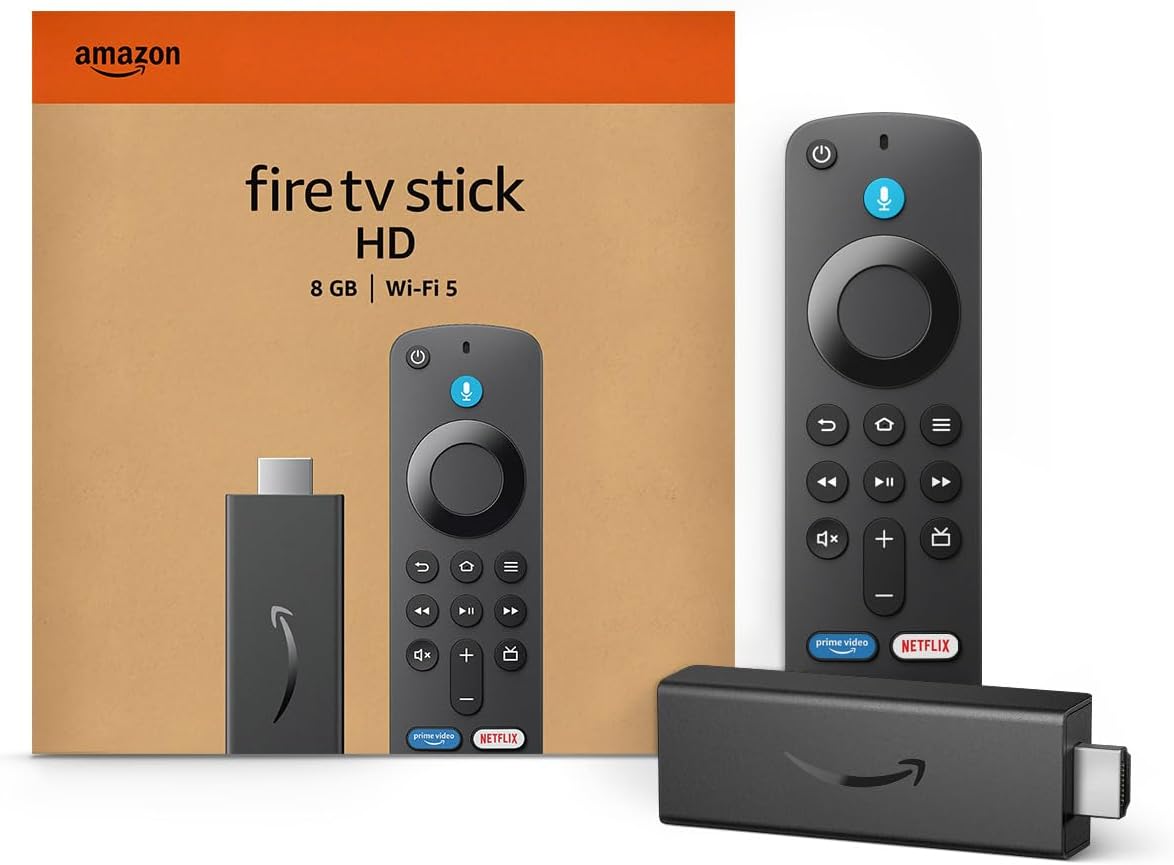
Amazon Fire TV Stick HD
Turn Any TV to a Smart TV. Stream Netflix, Prime Video & More. Alexa Voice Remote Included. Easy Plug & Play Setup.
Shop on AmazonIf you want to dig deeper into fixing this common issue, you’ll find practical solutions and clear steps to follow that address both simple and more complex problems.
This guide covers everything from basic checks to advanced fixes, helping you restore your HDMI connection confidently.

Immediate Checks When LG TV HDMI Is Not Working
Before diving into complex fixes, focus on simple but crucial steps that often solve HDMI problems quickly. Ensuring that cables are firmly connected, correct inputs are selected, and different ports or devices are tested can pinpoint the source of the issue efficiently.
Confirm Proper HDMI Cable Connection
Start by checking the physical connection between your LG TV and external device. Make sure the HDMI cable is fully inserted into both the TV’s HDMI port and your device’s HDMI output.
Loose or partially connected cables can cause the “no signal” message or intermittent display issues. Look closely for any visible damage on the HDMI cable, such as bent or pushed-in pins.
Damaged pins disrupt the HDMI connection and prevent your LG TV from recognizing the signal. If the cable looks worn or old, try replacing it with a new, high-quality HDMI cable that supports your device’s resolution and refresh rate.
Also, avoid using HDMI splitters or overly long cables, as they may degrade the signal. Keep the cable route simple and free from tight bends to maintain optimal connectivity.
Verify Input Source Selection
Your LG TV must be set to the correct HDMI input to detect your device. Use the TV remote to cycle through the available HDMI input sources, often labeled HDMI 1, HDMI 2, HDMI 3, etc.
If you connected your device to HDMI 2, but the TV is on HDMI 1, it won’t display the signal. Check your TV’s on-screen input menu carefully to confirm you selected the right input port.
Some LG models allow you to rename inputs, which can help avoid confusion if multiple devices are connected. Make sure the external device is powered on and sending a signal.
Test With Alternate HDMI Ports and Devices
Try connecting your HDMI cable to a different HDMI port on your LG TV. Sometimes individual HDMI ports fail due to internal damage or motherboard issues, causing “no signal” errors despite a working cable.
If switching ports resolves the issue, you’ve isolated the problem to a specific HDMI port. If not, try connecting a different HDMI device like a DVD player, game console, or streaming box to your original port.
This test helps determine whether the problem lies with your TV’s HDMI input or the device you initially connected. Using different cables alongside alternative devices and ports quickly narrows down the cause of your LG TV HDMI not working issue.
Common Causes of HDMI Problems on LG TVs
HDMI issues on your LG TV can stem from various hardware and configuration problems. Identifying whether the problem lies with cables, ports, device settings, or signal standards is crucial for effective troubleshooting.
Faulty or Incompatible HDMI Cable
A common cause of HDMI not working on LG TVs is a faulty or low-quality HDMI cable. Cables with bent or damaged pins often fail to transmit audio and video signals correctly.
Over time, HDMI cables can degrade, especially if they are frequently unplugged, twisted, or bent sharply. You should use high-speed HDMI cables that support the required bandwidth, especially if you have devices that use HDMI 2.1 or need 4K or higher resolutions.
Low-quality or damaged cables may cause intermittent signal loss, poor picture quality, or no signal at all. Always test with a different, known-good cable to rule out cable issues.
Confirm the cable is fully inserted into both the TV’s and device’s HDMI ports to avoid loose connections.
Malfunctioning HDMI Port
Sometimes the problem is with the HDMI port on your LG TV rather than the cable or device. Faulty HDMI ports can result from physical damage, wear over time, or internal component failure on the TV’s motherboard.
If one port is not working, try connecting your device to a different HDMI port on the TV. If none of the ports function, the issue may lie with the TV’s mainboard, which controls all HDMI inputs.
Signs of a faulty port include no signal despite a secure cable connection and no response when switching inputs. Inspect the ports visually for bent pins or debris.
Avoid forcing cables into ports, as that can cause damage. If a port is faulty, professional repair or replacing the motherboard might be necessary.
Device Compatibility and Settings
Your LG TV HDMI port may not work properly if the connected device is incompatible or if settings are incorrect. Some devices require specific HDMI output settings to match your TV’s resolution or refresh rate.
Mismatched settings can cause a “no signal” error. For instance, if the device outputs a resolution higher than the TV supports, or if the TV is set to Auto resolution mode that doesn’t align with the device’s output, the connection may fail.
Check device manuals and settings menus to ensure HDMI output is enabled and configured correctly. Also, verify that your LG TV input is set to the correct HDMI port.
Using incompatible devices or outdated firmware can further complicate compatibility.
HDCP and Signal Issues
HDCP (High-bandwidth Digital Content Protection) is a form of digital copy protection standard that can interfere with HDMI connections. If your LG TV reports signal interruptions or fails to play protected content, the issue could be HDCP compliance between your TV and the connected device.
Many streaming devices, gaming consoles, and Blu-ray players require HDCP to be enabled for HDMI signals to transmit properly. Noncompliant or misconfigured devices may cause the HDMI input to drop or refuse connection.
Disabling HDCP is possible on some devices but can limit content access. Sometimes HDMI signal interruptions are caused by HDMI Ultra HD Deep Color settings, which may be incompatible with certain cables or devices.
Adjusting these settings or using compatible high-speed HDMI cables can often resolve signal-related HDMI issues.
Settings, Updates, and Troubleshooting Methods
Addressing HDMI problems often involves optimizing your TV’s software and settings. Ensuring your firmware is current, adjusting HDMI configurations, and performing power resets can resolve many common issues.
Sometimes, fixing glitches or eliminating interference improves the HDMI connection without hardware changes.
Update TV Firmware and Software
Keeping your LG TV’s firmware updated is crucial to maintain HDMI functionality. Firmware updates often include fixes for HDMI compatibility and bugs that affect signal detection.
To update, access Settings > All Settings > Support > Software Update, then select Check for Updates. If a new version is available, install it immediately.
You can enable Auto Update to receive future patches automatically. For older models, navigate to Settings > General > About This TV > Check for Updates.
An outdated firmware can prevent HDMI ports from recognizing devices. Regular updates help reduce HDMI issues linked to software limitations or security flaws.
Adjust HDMI Settings and Resolution
Incorrect HDMI settings or incompatible resolution can cause your LG TV to show no signal or black screens. Start by confirming that the TV input source matches the connected HDMI port.
Check your device’s output resolution and set it to a value supported by your LG TV. You can adjust resolution through your device or in the TV’s settings under Picture or Display options.
Some LG TVs allow HDMI-CEC control, which may interfere with input recognition. Disabling HDMI-CEC can prevent conflicts.
Proper HDMI settings and resolution alignment ensure stable signal transmission and display.
Power Cycle or Hard Reset the TV
A power cycle clears temporary glitches blocking HDMI detection. To do this, turn off your TV and unplug it from the power source.
Press and hold the remote’s power button for 10-15 seconds to discharge residual power. Wait 2-3 minutes, plug the TV back in, and power it on.
This resets your TV’s internal memory and can fix HDMI-related bugs. If problems persist, perform a hard reset by navigating to Settings > General > Reset to Initial Settings.
This restores factory defaults but erases personalized configurations. Use this step only if simpler methods fail.
Address Software Glitches and Interference
Software glitches often cause HDMI ports to stop responding. These may arise from corrupted apps or system bugs.
Close unnecessary apps and update installed applications to minimize conflicts. External interference from nearby electronics or faulty cables may degrade HDMI signal quality.
Use high-quality, compatible HDMI cables designed for your TV’s version. Replace any damaged cables.
Avoid running multiple HDMI devices simultaneously without proper switching, as this can cause handshake failures. Ensuring a clean software environment and reducing interference improves HDMI reliability.
For more detailed troubleshooting, you can reference a comprehensive LG TV HDMI troubleshooting guide.
Advanced Fixes and When to Seek Support
If basic troubleshooting fails, you may need to explore hardware issues or check detailed HDMI settings on your LG TV before reaching out for professional help.
Understanding how to handle these advanced steps can save time and prevent unnecessary repairs.
Motherboard or Hardware Malfunction
A malfunctioning motherboard often causes HDMI ports to stop working. If your TV HDMI not working issue persists after trying different cables and ports, the motherboard could be faulty.
Symptoms include multiple HDMI ports failing simultaneously or inconsistent signal detection. Diagnosing a motherboard issue requires professional tools, but signs like no signal across all HDMI inputs or intermittent HDMI detection suggest hardware failure.
Avoid trying to repair the motherboard yourself to prevent further damage. Instead, assess your warranty status and consider service options.
If your TV is under warranty, LG support can provide a repair or replacement. In out-of-warranty situations, technicians can examine and replace hardware components, including faulty HDMI controllers integrated into the motherboard.
Input Labeling and Advanced HDMI Settings
Sometimes HDMI input issues arise from misconfigured input labeling or settings on your LG TV. Each HDMI port can be labeled for specific devices, like a gaming console or cable box.
Incorrect labeling can cause the TV to reject signals or display poor picture quality despite a good connection. Navigate to your TV’s input settings to verify the input labels match the connected device.
Additionally, check advanced HDMI settings such as HDMI Deep Color or HDMI UHD Color options, which impact signal processing. Enable these settings if you use devices supporting 4K or HDR content for better compatibility.
Adjusting HDMI version compatibility and turning off features like HDMI-CEC might also resolve connection problems. These settings often reside in the General or Inputs menu under All Settings.
Regularly reviewing and fine-tuning these can prevent issues that aren’t related to hardware failure.
When to Contact LG Support or a Technician
You should contact LG support or a qualified technician when basic troubleshooting and advanced adjustments don’t fix your HDMI problem. Persistent no signal, blinking screens, or unresponsive HDMI ports after cable replacement, power cycling, and input checks indicate deeper faults.
If the TV is under warranty, start with LG’s customer service to schedule repairs or get guidance. For out-of-warranty units, authorized repair centers have the expertise to identify motherboard failures or other hardware defects affecting your HDMI ports.
Avoid prolonged DIY repairs that could void warranty or worsen issues. You can find LG support contact details and service centers on their official site, which helps maintain your TV’s performance and safety.