

Choosing between Samsung and Sharp TVs can feel overwhelming, especially with both brands offering solid options.
If you want the best overall picture quality, smart features, and gaming performance, Samsung TVs generally outperform Sharp models in these key areas.
Sharp TVs often come at a lower price point and can provide good value for basic use.
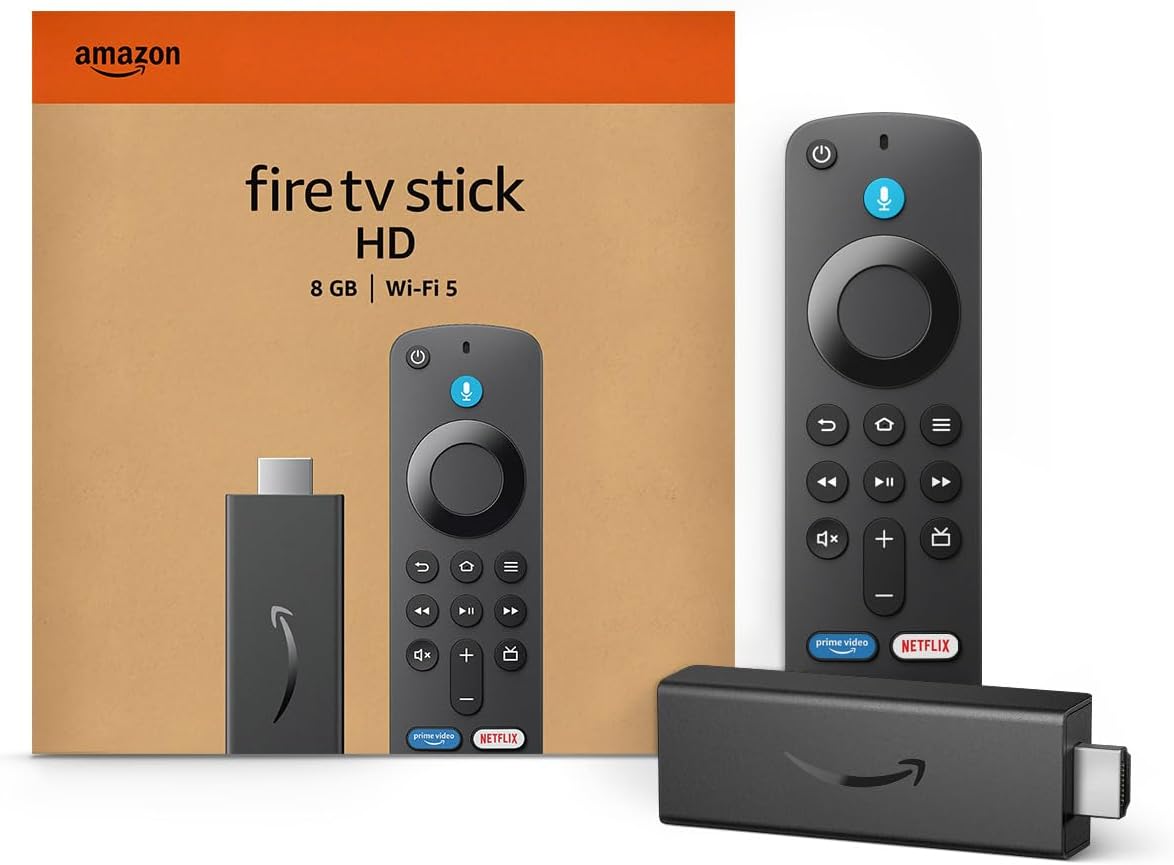
Amazon Fire TV Stick HD
Turn Any TV to a Smart TV. Stream Netflix, Prime Video & More. Alexa Voice Remote Included. Easy Plug & Play Setup.
Shop on AmazonSamsung’s advancements in panel technology, brightness, and responsiveness make it the preferred choice for many.
Knowing what features matter most to you will help determine which brand fits your needs better.
Whether you prioritize cutting-edge display technology or cost-effectiveness, understanding the differences between Samsung and Sharp will guide you to the right TV for your setup.
For a detailed comparison of their strengths, you can review the sharp vs samsung TV discussion at learnprotips.com.

Core Differences: Samsung TV vs Sharp TV
When selecting a TV, understanding the core distinctions between Samsung and Sharp helps clarify what you can expect in terms of company heritage, innovation, and product availability.
These factors influence not only the technology you get but how the brand fits your viewing needs and budget.
Brand Background and Reputation
Samsung is a global technology leader, founded in 1938, with a strong focus on innovation and broad market presence.
Their TVs are known for cutting-edge features like QLED display technology, advanced HDR, and a highly refined smart platform powered by Tizen OS.
This reputation for high performance and quality means Samsung is frequently the brand chosen by tech-savvy buyers and those seeking top-tier visual and audio experiences.
Sharp, established in 1912, carries a legacy rooted in early electronic innovation, especially in LCD technology.
While not as dominant in the global TV market, Sharp offers durable, reliable TVs with solid picture quality often centered on value and practical performance.
You’ll find Sharp TVs appealing if budget and straightforward features are priorities over the latest high-end tech.
Product Range and Market Positioning
Samsung’s TV lineup is extensive, covering sizes from compact 32-inch models to expansive 85-inch and above.
Their product tier ranges from budget to ultra-premium, giving you options whether you want affordability or the latest innovations like 4K at 144Hz for gaming.
Samsung’s products are positioned to serve both mainstream consumers and enthusiasts looking for advanced smart features and design aesthetics.
Sharp typically focuses on mid-range TVs between 40 and 65 inches, with an emphasis on affordability and solid performance.
Sharp TVs offer practical smart features with straightforward interfaces but don’t match the breadth of Samsung’s app ecosystem or premium build quality.
If you want a dependable TV for everyday use without spending much, Sharp models provide competitive pricing and reasonable picture quality.
For a detailed comparison of Samsung and Sharp models tested, check the Samsung vs Sharp TV performance overview.
Picture Quality, Audio, and Gaming Performance
When choosing between Samsung and Sharp TVs, you’ll want to weigh their strengths in display quality, sound, and how they handle gaming.
Samsung generally leads with advanced display tech and superior HDR options, while Sharp offers competitive features, especially on budget models.
Each brand approaches audio and gaming performance differently, which can impact your overall experience.
Display Technology and Color Accuracy
Samsung TVs commonly use QLED technology, which enhances brightness and color vibrancy through quantum dot layers.
This results in richer, more accurate colors and better handling of bright scenes compared to Sharp’s AQUOS and XLED panels.
Sharp models can still deliver solid color accuracy for standard content but often fall short in peak brightness and uniformity.
Samsung’s color accuracy supports wider color gamuts, ideal for 4K UHD content.
Sharp prioritizes sharpness and contrast but may not match Samsung’s consistency in color precision across different viewing angles.
If you value vivid and reliable color reproduction, Samsung’s QLED has the advantage.
HDR Support and 4K UHD
Samsung supports multiple HDR formats including HDR10, HDR10+, and HLG, with HDR10+ offering dynamic metadata that adjusts brightness scene-by-scene.
This enhances details in highlights and shadows, especially in well-lit environments.
Sharp generally supports HDR10 and HLG but lacks HDR10+ support, which could affect HDR performance on compatible content.
Both brands offer 4K UHD resolution, but Samsung’s higher peak brightness in HDR mode gives it a visible edge in dynamic range and clarity.
Samsung’s models, like the QN95C, can maximize HDR effects to make highlights “pop” more.
Audio Performance and Sound Features
Samsung integrates advanced sound technologies such as Dolby Atmos and Object Tracking Sound (OTS) in many of its higher-end models.
These features provide immersive, multidirectional audio that moves naturally with on-screen action.
Sharp’s audio quality is generally solid but usually simpler, focusing on stereo or basic multi-channel setups without Dolby Atmos or 3D spatial sound.
If sound quality and depth are priorities for you, Samsung’s audio systems will stand out, especially in rooms where you rely on built-in speakers rather than external sound systems.
Gaming Performance and Input Lag
Samsung has made gaming a key focus, offering TVs with very low input lag and high refresh rates, including support for 4K at 144Hz.
Features like Auto Low Latency Mode (ALLM) and Variable Refresh Rate (VRR) reduce screen tearing and enhance responsiveness.
Sharp delivers decent input lag but usually at a higher threshold and without the advanced gaming features Samsung provides.
Their TVs lack high refresh rate support above 60Hz for 4K content, limiting smooth motion handling in competitive or graphically demanding games.
For further details comparing models, see Samsung QN95C vs Sharp AQUOS XLED FV1.
Smart TV Features and User Experience
You want a TV that delivers a smooth, responsive interface with plenty of streaming options and convenient controls.
Both Samsung and Sharp offer smart features, but their software ecosystems and customization vary, impacting how you interact with content daily.
Operating Systems: Tizen OS vs Android TV
Samsung uses Tizen OS, a proprietary platform known for its fast boot times, fluid navigation, and robust app support.
It integrates well with Samsung’s other devices and supports a wide variety of apps, including niche streaming services and gaming apps.
Tizen also frequently receives updates that improve functionality and security.
Sharp TVs generally run Roku TV or Android TV, depending on the model and region.
Android TV offers deep Google integration, including Chromecast built-in, and access to a vast app library via Google Play.
Roku TV, meanwhile, is valued for simplicity and an easy learning curve, although it may lack some advanced features found in Tizen.
Tizen tends to feel more polished and refined, especially if you use other Samsung smart devices.
Android TV provides more customizability if you prefer Google services.
Streaming Services: Netflix, YouTube and More
Both Samsung and Sharp support major platforms like Netflix, YouTube, Amazon Prime Video, and Disney+.
Samsung’s Tizen OS offers a particularly broad selection of streaming apps with dedicated remote buttons for popular services, making access quick and intuitive.
Sharp’s Roku and Android TV platforms also provide access to all major streaming services, with Roku’s channel store often giving access to more niche or international content.
Samsung generally updates apps faster and supports HDR formats on these services better.
Smart TV Features and Voice Control
Samsung’s smart TVs incorporate advanced voice assistants like Bixby, with compatibility for Google Assistant and Amazon Alexa as well.
Voice commands can control your TV, smart home devices, and search for content, reducing reliance on the remote.
Sharp models running Roku or Android TV provide voice control mainly through Google Assistant or Alexa integration.
Roku’s voice remote is straightforward but less sophisticated than Samsung’s Bixby.
Samsung offers more features like multi-device connectivity and smart home integration, which can improve convenience if you use multiple connected devices.
User Interface and Customization
Samsung’s interface is sleek and organized with a customizable app bar and picture settings you can finely tune.
You can rearrange apps, set up personalized recommendations, and adjust advanced picture modes.
Sharp’s Roku or Android TV platforms are easier to navigate but often less customizable.
Roku focuses on simplicity, providing reliable user experience without many complexities.
If you prioritize a tailored smart TV experience with extensive settings and interface options, Samsung offers more flexibility.
For a straightforward, no-fuss layout, Sharp’s smart TV options are good but more basic.
Explore more on smart TV capabilities by checking a detailed comparison of Sharp and Samsung TVs.
Pricing, Support, and Additional Considerations
When deciding between Samsung and Sharp TVs, you’ll want to weigh upfront costs, the quality of customer service, and factors like design and energy use.
These elements impact your experience beyond just picture quality and performance.
Price Point and Value for Money
Samsung TVs tend to carry a premium price due to advanced features like brighter displays, better motion handling, and more polished smart platforms.
While this means you pay more upfront, you also get a more refined experience and more future-proof technology.
Sharp offers competitive pricing, often significantly lower than Samsung for comparable screen sizes.
You get solid 4K performance and respectable HDR support, making Sharp a smart option if you’re budget-conscious but want reliable picture quality.
If you want the latest gaming or HDR tech, Samsung’s higher specs justify the price.
However, for everyday use and streaming, Sharp delivers strong value without overextending your budget.
Customer Support and Brand Services
Samsung provides extensive global customer support with efficient warranty coverage and prolonged software updates.
Their service network is large, making repairs or replacements more accessible.
Sharp’s support is more regional and sometimes less comprehensive, depending on your location.
Warranty terms and post-purchase service options can vary, so check local availability before buying.
Software updates tend to be shorter in duration compared to Samsung.
Design, Energy Efficiency, and Sustainability
Samsung invests in sleek, modern designs with premium materials that add a refined touch to your living space. Their models often include energy-saving modes and above-average efficiency, helping reduce power consumption without sacrificing performance.
Sharp TVs usually have a more practical, utilitarian design but maintain solid build quality. Their energy efficiency is decent but usually trails Samsung’s best models.
Both brands are working toward sustainability. Samsung’s global initiatives and newer panels typically align better with energy-conscious consumers.
For detailed feature comparisons between Sharp and Samsung, refer to this Sharp vs Samsung TV overview.