
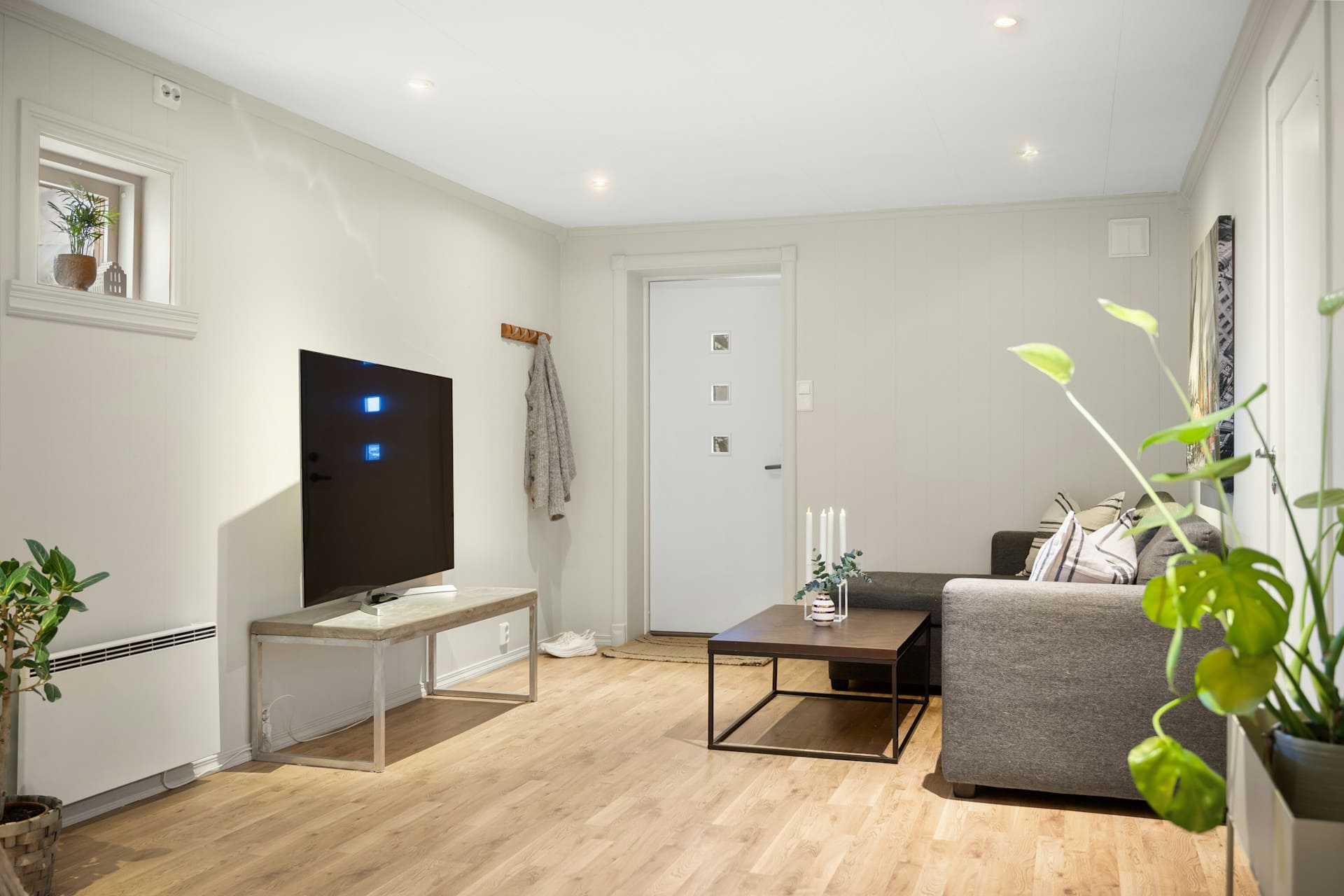
If your Samsung TV is showing a double image or ghosting effect, it’s usually caused by either a firmware issue, incorrect picture settings, or hardware problems like a faulty T-con board.
The most effective way to fix this problem is to update your TV’s firmware and adjust the picture sharpness settings to reduce ghosting.
You can update your firmware directly through the TV’s settings if it’s connected to the internet.
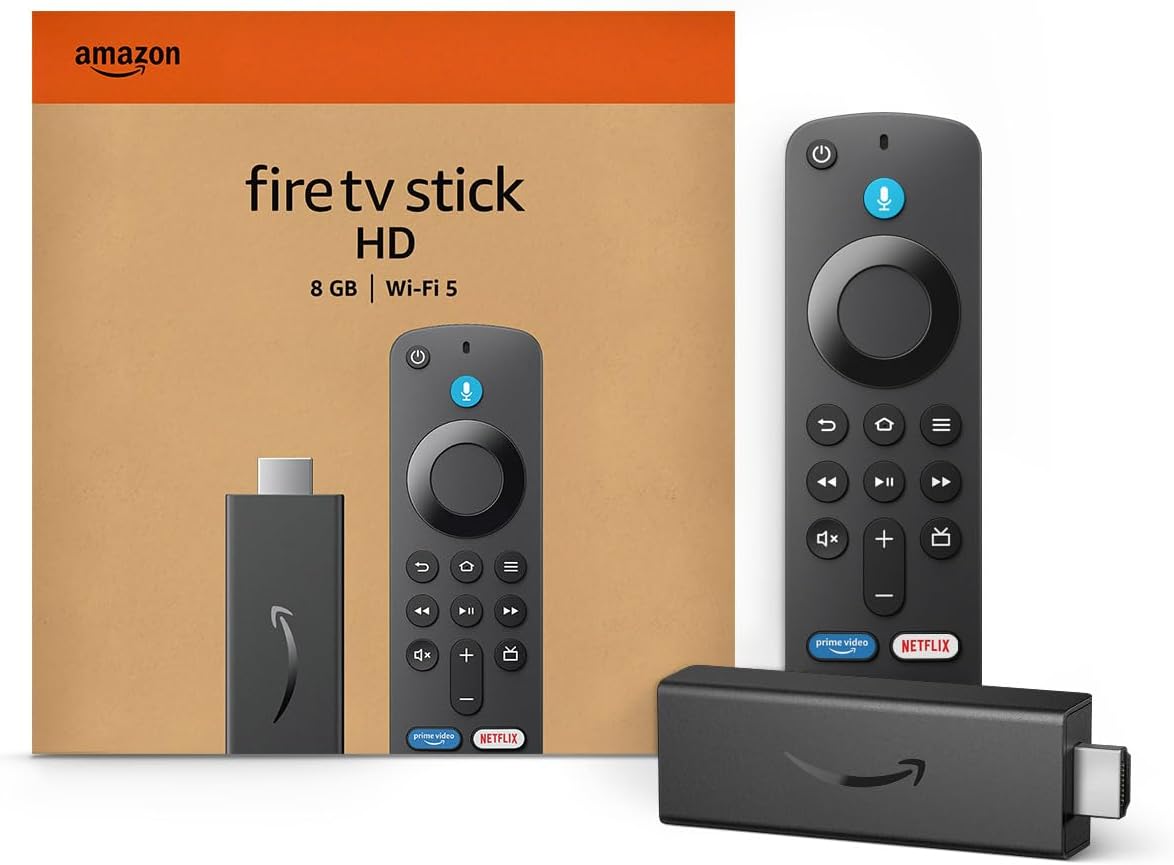
Amazon Fire TV Stick HD
Turn Any TV to a Smart TV. Stream Netflix, Prime Video & More. Alexa Voice Remote Included. Easy Plug & Play Setup.
Shop on AmazonAlternatively, download the update from Samsung’s website and install it via USB.
Checking and lowering the sharpness setting can also help improve image quality by minimizing double images on the screen.

Understanding Samsung TV Double Image Problem
When your Samsung TV displays a double image, it can affect your viewing experience by creating a ghosting or overlapping effect.
This issue typically involves specific hardware or software problems and requires targeted troubleshooting.
What Is Double Image on Samsung TVs
Double image, sometimes called ghosting, happens when your Samsung TV shows two overlapping pictures instead of a clear single image.
The effect might appear as slightly offset duplicates, blurred edges, or faint lines that follow moving objects.
This problem can manifest in static images or during motion scenes, making details harder to see.
It often appears as a persistent visual defect rather than a temporary glitch related to signal interference.
Common Causes of Double Image Issues
The most frequent causes include hardware faults like a faulty T-con board or issues with ribbon cables inside the TV.
The T-con board controls timing signals to the LCD panel, so a defect here can cause image duplication.
Firmware bugs can also cause double image effects.
Updating your TV’s software usually fixes this if it’s a software problem.
Other causes might include damaged gate driver lines or panel defects, but these are less common and sometimes require professional repair or part replacement.
How Double Image Differs from Other Display Problems
Double image differs from color abnormalities or general blur because it specifically creates duplicated visuals, not just distortion.
Unlike input signal issues that cause flickering or random image drops, double image is consistent and tied to internal panel processing.
It’s not the same as motion blur, which happens due to low refresh rates or response times.
Double image often appears as two images displaced slightly, while glitches like strange colors may signal a different part of the TV needs attention.
Diagnosing the Double Image Issue
To resolve a double image on your Samsung TV, you need to carefully examine several possible causes.
These range from external connections to internal components like the T-con board and the LCD panel itself.
Checking Input Sources and Cables
Start by inspecting all input sources and connection cables.
Faulty or loosely connected HDMI, VGA, or AV cables often cause image doubling or ghosting.
Try swapping cables to rule out damage or wear.
Examine input settings to confirm the correct resolution and refresh rate.
Mismatched settings between your source device and TV can create image issues.
If your TV supports multiple inputs, test each one individually.
If the double image appears only on a specific input, the problem likely lies with that source or its cable rather than the TV.
Identifying T-con Board Symptoms
The T-con board controls image timing and processing on your Samsung TV.
Double images can result from T-con board failure or loose ribbons connecting it to the LCD panel.
Look for symptoms like color ghosting, vertical or horizontal lines, and persistent double images despite checking input sources.
If you safely remove and reseat the ribbon cables on the T-con board without improvement, the board may require replacement.
Firmware glitches can also cause T-con related image issues.
Updating your TV’s firmware might resolve the problem without hardware repairs.
Instructions for updating can be found on Samsung’s support website.
Assessing the LCD Panel Condition
If checks on input and T-con board don’t fix the double image, the LCD panel may be damaged.
Physical defects in the panel or signal line faults can cause overlapping or ghost images.
You can perform a picture test from your TV’s settings to isolate panel issues.
Persistent double images during this test usually confirm a panel fault.
Panel repairs are complicated and costly.
Carefully consider whether replacement or professional service is needed, especially for older models or minor symptoms like faint ghosting or colored lines near the screen edges.
For detailed solutions and technical guidance, see how to diagnose double image problems on a Samsung TV.
Effective Solutions for Double Image on Samsung TVs
If your Samsung TV is showing double images, several targeted approaches can help resolve it.
These include fine-tuning internal settings, ensuring your firmware is up to date, replacing hardware components, or knowing when to involve repair experts.
Resetting and Adjusting Expert Settings
Start by accessing your Samsung TV’s expert settings.
Navigate to Settings > Picture > Expert Settings on your TV menu.
Here, you can adjust parameters such as sharpness, contrast, and digital noise filters, which sometimes affect image clarity and cause ghosting or double images.
Resetting these settings to their default values can eliminate configuration errors causing image distortion.
Use the pixel shift or image retention prevention features if your model supports them; these features help prevent persistent images from overlapping.
Be cautious with sharpness adjustments; setting it too high can create artificial edges that look like duplicate images.
After resetting, test different picture modes like Standard or Movie to identify one that reduces the double image effect.
Updating Firmware and Software
Samsung TVs can develop display issues like abnormal colors or double images due to outdated software.
Updating the firmware often fixes bugs tied to picture processing.
If your TV is connected to the internet, update by going to Settings > Support > Software Update > Update Now.
The TV will check for and install the latest firmware automatically.
For TVs without internet access, download the firmware from Samsung’s official website using your model number.
Transfer the file to a USB drive, insert it into the TV, and the update will start automatically.
Do not turn off or unplug your TV during an update to avoid firmware corruption.
If issues persist after updating, firmware alone is likely not the cause.
Replacing the Faulty T-con Board
If software adjustments and updates don’t resolve the double image, the problem may lie in the hardware, specifically the T-con board.
This component controls timing and image display on the LCD panel.
Symptoms such as color distortion, ghosting, and double images often point toward a failing or damaged T-con board.
Replacing it can restore proper synchronization between image data and the panel.
You can locate the T-con board inside the TV near the display panel; however, replacement requires technical skill.
If you have experience opening TVs and sourcing parts by model number, replacing the T-con board can be a cost-effective solution.
When to Seek Professional Repair
If you have tried software fixes and hardware replacement seems complicated, professional repair is advisable.
Issues like loose ribbon cables, damaged LCD panels, or internal circuitry faults require diagnostic tools and expertise.
Certified technicians can safely inspect components, test signals, and perform repairs or replacements beyond simple fixes.
Avoid further damage by not powering the TV on if you suspect hardware failure until inspected.
Contact Samsung support or a qualified repair center if your TV shows persistent double images after all standard remedies.
For detailed steps on T-con board testing and replacement, consider expert guides or Samsung service channels.
Preventing Future Double Image Problems
Keeping your Samsung TV’s image clear requires regular upkeep, careful picture adjustments, and protecting critical components like the LCD panel from damage.
Taking these steps can reduce the risk of double image issues and maintain optimal picture quality over time.
Maintaining Your Samsung TV
Regular maintenance is essential to avoid issues like double images caused by dust buildup or hardware wear.
Clean your TV screen and vents gently with a microfiber cloth to prevent dust from interfering with the LCD panel’s function.
Keep your TV’s firmware updated.
Samsung frequently releases updates that fix bugs and improve picture processing, which can address ghosting or image doubling problems.
If your TV isn’t connected to the internet, download the latest firmware onto a USB and update manually.
Avoid sudden power interruptions during updates or use.
Frequent power surges can damage internal components.
Using a surge protector can safeguard your TV and extend its lifespan.
Best Practices for Picture Settings
Adjusting picture settings can significantly reduce perceived double images.
Set the picture mode to “Standard” or “Movie” rather than “Dynamic,” which sometimes exaggerates motion artifacts and image ghosting.
Disable any unnecessary enhancement features like motion interpolation or dynamic contrast.
While these settings improve motion smoothness, they may create ghosting effects on Samsung LCD panels.
If available, enable “Pixel Shift” or similar anti-retention features.
These functions shift the image slightly to prevent image retention or burn-in, which could contribute to double image effects over time.
Periodically reset picture settings to factory defaults if image quality begins to degrade.
This can resolve minor glitches affecting color and clarity.
Protecting the LCD Panel from Damage
Physical damage to the LCD panel is a common cause of persistent double images. Avoid pressing or poking the screen, as even small impacts can cause pixel misalignment or panel damage.
Keep the TV away from direct sunlight or intense heat sources. Excessive heat can warp internal layers of the LCD panel, leading to color distortion and ghosting.
Place your TV on stable, vibration-free surfaces. Excessive shaking or movement may disrupt delicate internal connections, including the COF (chip-on-film) that controls image rendering.
If repairs or parts replacement become necessary, ensure they are performed by certified technicians. DIY LCD panel fixes risk voiding warranties.
For detailed guides on troubleshooting and repairing double image issues, see how to fix double image issues on Samsung TVs.