
If your Samsung TV’s external speakers aren’t working, the problem usually comes down to connection issues, incorrect audio settings, or outdated firmware. Ensuring cables are properly connected, selecting the correct audio output on your TV, and checking your external device’s settings can often restore sound quickly.
You might also need to update your TV’s firmware or try a different connection type, like switching from HDMI ARC to optical cables. Sometimes, a simple power cycle of both devices resolves temporary glitches.
If these basic checks don’t solve the issue, your TV might need a factory reset or professional assistance. For detailed steps, you can refer to guides on fixing Samsung TV external speaker problems.
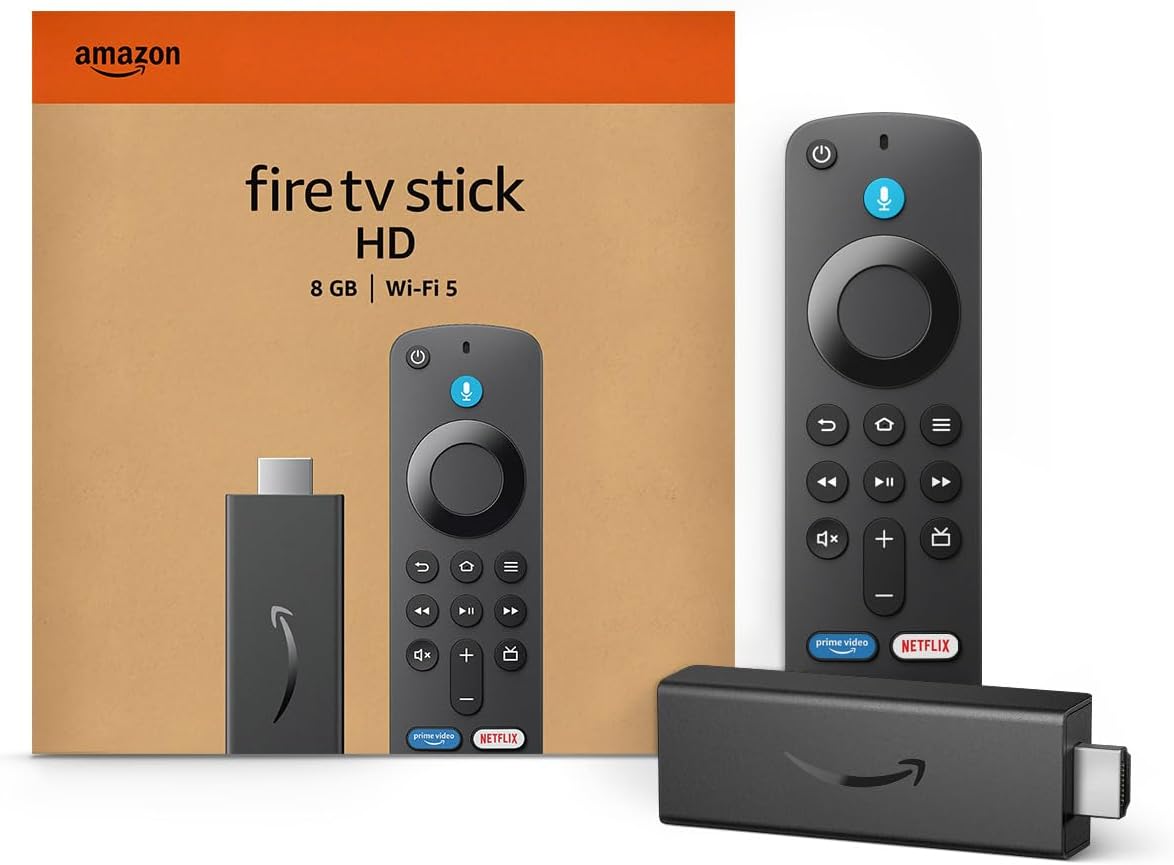
Amazon Fire TV Stick HD
Turn Any TV to a Smart TV. Stream Netflix, Prime Video & More. Alexa Voice Remote Included. Easy Plug & Play Setup.
Shop on Amazon
Common Reasons External Speakers Are Not Working on Samsung TVs
When your external speakers fail to produce sound from your Samsung TV, the issue often lies within settings, connections, or compatibility. Ensuring these elements are properly configured can restore audio output and improve your listening experience.
Incorrect Audio Output Settings
A frequent problem is that your Samsung TV may still be routed to the built-in TV speakers instead of external speakers or a soundbar. You need to check your TV’s audio output settings and make sure it’s set to the correct device.
Navigate to Settings > Sound > Sound Output and select your external speakers or soundbar instead of “TV Speakers.” For HDMI ARC connections, enabling HDMI-CEC (sometimes called Anynet+) can facilitate proper communication between devices.
Incompatible audio formats can also cause sound issues. If your external device doesn’t support Dolby Digital or Bitstream, switch the audio format to PCM or stereo in your TV’s audio settings.
Adjusting these settings usually resolves the issue when no sound is coming from external speakers.
Cable and Connection Issues
Check your cables carefully. Loose or damaged HDMI ARC, optical, or RCA cables can disrupt audio signals between your Samsung TV and external speakers.
You should inspect all connections physically to ensure they are secure and replace cables if you see any damage or suspect faults. Only certain HDMI ports on your TV might support audio return (ARC).
Using a regular HDMI port will prevent the sound from routing to your external device. Confirm you’re using the correct port and cable type.
Sometimes switching between connection types, like trying an optical cable instead of HDMI ARC, can help you isolate the problem. Make sure cables are firmly plugged into both the TV and external speakers and test the setup after adjustments.
External Device Compatibility Problems
Not all external speakers or soundbars interface perfectly with every Samsung TV model. Your external device might have specific input settings or modes that must be activated for sound to work, such as the correct input source or volume level.
Power on the external speakers and confirm they are not muted. Check the speaker’s manual to adjust any device-specific audio settings.
Some devices require manual selection of the input source, so ensure it matches your TV’s output connection (e.g., HDMI ARC, Optical). Firmware mismatches between your TV and external device can also cause incompatibility issues.
Updating your Samsung TV’s software and, if possible, your external speakers’ firmware can improve compatibility and resolve sound issues. If trouble persists, consulting Samsung support or the device manufacturer may be necessary.
For further guidance, see this detailed guide on fixing Samsung TV issues with external speakers or soundbars.
How to Set Up and Troubleshoot External Speakers
To get your external speakers working correctly with your Samsung TV, you need to manage both hardware connections and audio settings carefully. Ensuring the right sound output is selected and the audio format matches your equipment prevents common issues.
Proper connectivity methods like HDMI ARC, optical, or Bluetooth also affect the quality and stability of your audio.
Selecting the Right Sound Output
Start by accessing your TV’s sound settings through the menu. Navigate to Settings > Sound > Sound Output.
Here, you must choose the output device corresponding to your external speaker type, such as External Speakers or Soundbar. If your TV uses HDMI ARC, select this specific output to enable two-way communication.
For optical connections, pick the digital audio option. Avoid leaving the output on TV Speakers as this disables any external device.
Make sure your external speaker or soundbar is powered on and on the correct input before selecting the output. If you see “Not Available,” check connections or consult troubleshooting guides to adjust settings correctly learn more.
Configuring Sound and Audio Settings
Within the audio settings, access Expert Settings or Advanced Settings to fine-tune the audio output format. For optical cables, switching the Digital Output Audio Format to PCM often resolves compatibility issues.
If using HDMI ARC, formats like Dolby Digital or Bitstream may work better depending on your speaker capabilities. Turn off any volume leveling or night mode features temporarily to test clear sound.
Check that audio syncing features are disabled if there’s a noticeable delay. Adjust the TV’s volume while monitoring the external speaker’s volume level; both should be balanced to prevent muted or distorted sound.
These steps ensure the TV’s settings are fully optimized for your external speaker’s technical needs details available here.
Connecting via HDMI ARC, Optical, or Bluetooth
Connecting external speakers depends on your equipment and TV model. The most reliable wired connection is HDMI ARC, which supports audio return and device control through one cable.
Confirm that both your TV and soundbar have HDMI ARC ports. Enable HDMI-CEC (Anynet+) in your TV settings to allow the devices to communicate for volume control.
If HDMI ARC isn’t an option, an optical cable is a common alternative that delivers digital audio with minimal interference. Ensure the optical cable is firmly connected and not damaged.
Select the appropriate digital input on your soundbar or external speaker. For wireless convenience, use Bluetooth pairing.
Turn on your speaker’s Bluetooth mode, then access your TV’s Bluetooth settings to pair the devices. Note that Bluetooth may introduce latency and lower audio quality compared to wired connections.
Switching between connection types can resolve audio issues if one method fails. Testing cables and connection types systematically often fixes compatibility problems explained further here.
Advanced Solutions and When to Seek Support
For persistent external speaker problems, you can try resetting settings, updating your TV’s software, or contacting Samsung support. These steps address complex software or hardware-related issues that basic troubleshooting may not fix.
Resetting Audio Settings and Running Sound Tests
Start by resetting your TV’s audio settings to default. This clears any misconfigurations that might block sound output to external speakers.
Navigate to your TV’s Sound or Audio menu, then look for Reset Sound Settings or similar options. After resetting, run the built-in sound test if available.
This helps determine whether the issue lies with the TV’s output or the external speakers. Make sure to confirm that Sound Output is explicitly set to External Speakers or Soundbar.
You should also check for any mute or volume settings on both the TV and speakers. If your TV has an Expert Settings submenu under audio, verify there are no advanced filters, like balance or equalizer settings, interfering with sound.
Updating Firmware and Software
Outdated firmware can cause compatibility issues with external audio devices. To update, go to Settings > Support > Software Update.
Select Update Now to download and install the latest version. After the update, restart your TV and test your external speakers again.
Firmware updates often include fixes for HDMI ARC, Bluetooth connections, and other audio-related bugs. If your TV automatically detects your connected external device, note any prompts during startup or update.
Sometimes enabling features like HDMI-CEC (Anynet+) enhances communication between devices for clearer sound transmission.
Contacting Samsung Support
If none of the above steps work, it’s time to contact Samsung support. Before reaching out, gather your TV model number, current firmware version, and details about your sound problem.
Samsung support can guide you through advanced diagnostics or recommend professional repair. Checking your warranty status is important as it may cover part replacements or service visits.
You can visit Samsung’s official support website to chat with agents, schedule a technician, or find authorized service centers near you to handle hardware issues affecting your external speakers.
For more detailed troubleshooting, see this guide on how to fix Samsung TV issues with external speakers or soundbars.
Preventing Future External Speaker Issues
Maintaining consistent, clear audio from your Samsung TV requires attention to several important factors. Staying on top of updates, regularly checking connections, and configuring devices properly will minimize disruptions to your external speakers or soundbar setup.
Keeping Software and Devices Updated
Your Samsung TV’s firmware is crucial for smooth communication with external speakers and soundbars. Regularly check for software updates through the Support or Software Update menu in your TV settings.
Installing the latest firmware can fix bugs and improve compatibility with audio devices. At the same time, ensure any connected external speakers or soundbars also have updated firmware if applicable.
Some soundbars offer update options via their own apps or USB ports. Keeping both your TV and external devices current reduces the risk of audio output issues.
Set reminders to check for updates monthly or after a known system release. Updates may address sound format compatibility, HDMI ARC improvements, or other audio output enhancements that directly affect your listening experience.
Regularly Inspecting Connections
Loose or damaged cables are common causes of external speaker malfunctions. Periodically inspect all cables linking your Samsung TV to external speakers—HDMI ARC, optical cable, or RCA connections.
Look for fraying, bent pins, or dust buildup in ports. Securely reconnect cables when needed.
A firm connection prevents signal loss or interference that results in no sound or irregular audio. If you notice persistent issues, try replacing cables with ones known to work.
Create a checklist to routinely verify these points:
- HDMI ARC or optical cables are fully inserted
- Cable types match recommended setup instructions
- Power cables to soundbars and speakers are stable
Routine cable maintenance safeguards your audio connection and limits unexpected breakdowns.
Proper Device Configuration
Your TV’s audio settings affect whether external speakers receive sound correctly. Always verify that external speakers or soundbar are selected as the active audio output.
Navigate to the Sound or Audio section in your Samsung TV’s settings to confirm. If using HDMI ARC, enable HDMI-CEC (Anynet+) so your TV and soundbar sync controls.
Check that your external device is set to the correct input source, whether HDMI ARC or optical cable. Adjust audio formats if necessary; for example, try switching to PCM output for optical connections to improve compatibility.
Confirm volumes are up on both the TV and the external audio device. Verify none are muted.