
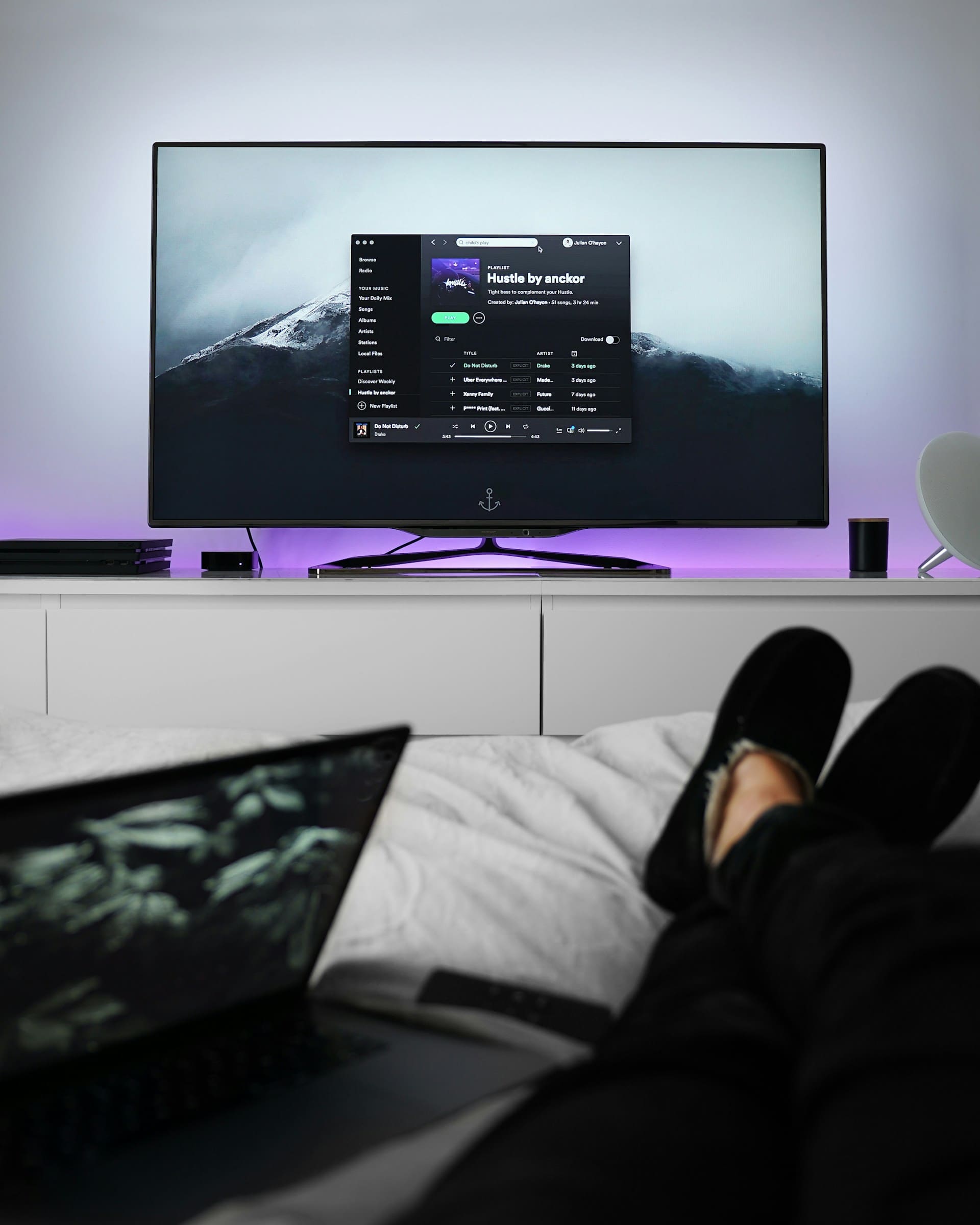
If your Samsung TV picture looks blurry, it’s often due to incorrect settings, low resolution input, or faulty cables.
Adjusting your TV’s picture settings, ensuring the source device matches your TV’s resolution, and checking your HDMI cables usually resolves the issue.
Sometimes, blurry screens happen because the image is stretched or because motion smoothing features interfere with clarity.
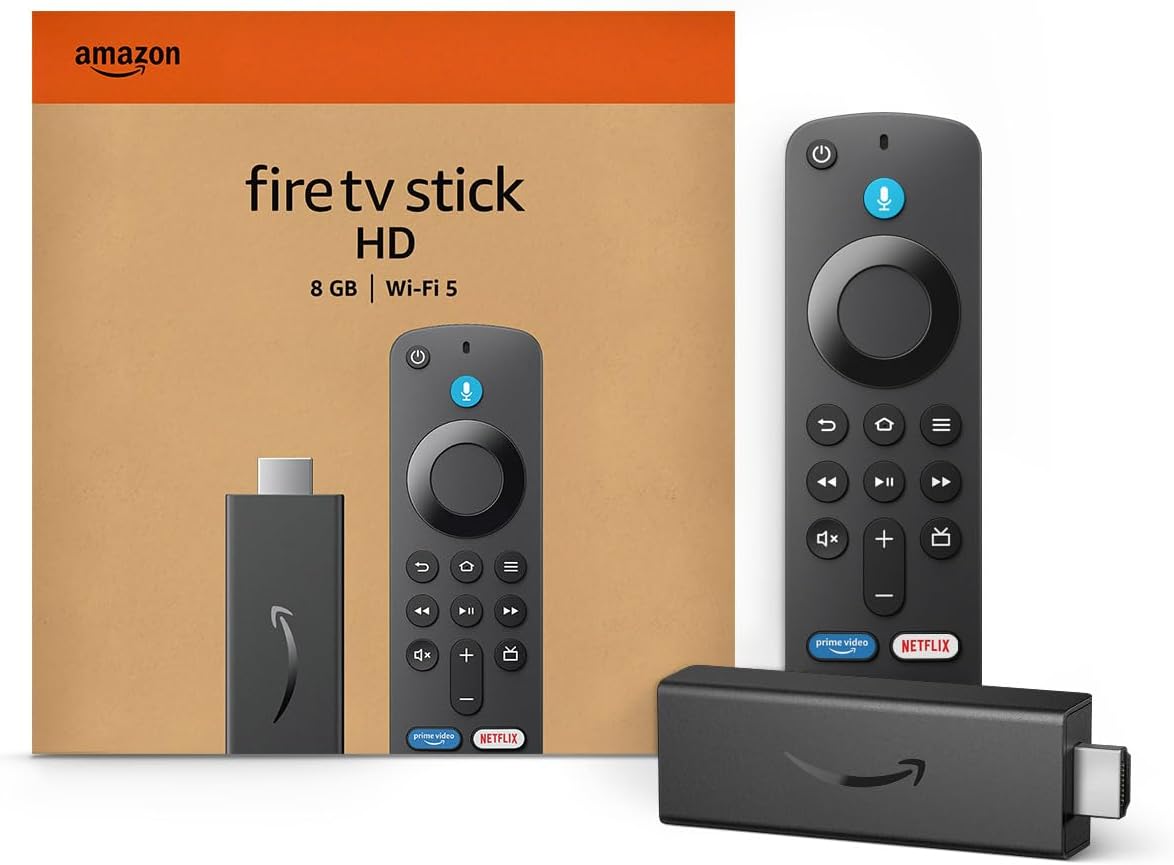
Amazon Fire TV Stick HD
Turn Any TV to a Smart TV. Stream Netflix, Prime Video & More. Alexa Voice Remote Included. Easy Plug & Play Setup.
Shop on AmazonLoose connections or outdated firmware can also reduce picture sharpness.
Identifying the source of the problem helps you fix it quickly and enjoy clear visuals again.

Main Reasons for a Blurry Samsung TV
Blurry images on your Samsung TV often result from settings or signal issues that affect picture clarity.
You might encounter this problem due to how your TV processes the input, software status, or specific motion-related effects designed to enhance viewing but that sometimes reduce sharpness.
Incorrect Picture Mode or Settings
Your Samsung TV offers multiple picture modes like Standard, Dynamic, Movie, and Natural.
Using an inappropriate mode can cause a blurry or washed-out image.
For example, Dynamic mode often boosts brightness and contrast but may soften fine details, making your picture appear less sharp.
Beyond mode choice, settings such as sharpness, contrast, and backlight influence clarity.
Setting sharpness too low can blur edges, while excessive sharpness causes unnatural outlines.
Adjust sharpness to about 10-15 for balanced detail.
Custom settings like contrast, brightness, and color saturation require fine-tuning based on your room lighting and content type.
Resetting picture settings to default or selecting Movie mode typically produces clearer images for most content.
Low Input Signal Quality or Resolution Mismatch
A blurry picture often means your TV isn’t receiving a high-quality signal or the resolution doesn’t match your screen’s capability.
If you’re connected via HDMI or cable box, ensure the input source outputs at the native resolution of your Samsung TV to avoid scaling blur.
Streaming apps or external devices sometimes transmit in lower resolution, causing pixelation or vagueness.
Check that content is at least HD (720p) or better for clearer images.
Using low-quality HDMI cables or loose connections can further degrade signal quality.
Also, confirm your TV’s Picture Size setting is correct.
Avoid stretched or zoomed image modes, as they distort and blur the picture.
Choosing the “Just Scan” or “Screen Fit” option aligns the input resolution with your TV screen properly.
Motion Blur and Motion Smoothing Effects
Samsung smart TVs include features like motion smoothing to reduce motion blur during fast-moving scenes.
However, this can cause the “soap opera effect,” where video looks overly smooth but less natural, sometimes perceived as blurry or soft.
If you notice ghosting or smeared images, disabling Auto Motion Plus or lowering its settings can improve sharpness.
Motion interpolation artificially creates frames, which can cause artifacts or blur on some content types.
Adjust these settings under your TV’s picture or expert settings menu.
You can turn off motion smoothing entirely or set it to a lower level to preserve clarity while minimizing motion artifacts.
Outdated Software or Firmware
Your Samsung TV’s firmware manages key functions including picture processing.
Running outdated software may cause performance issues, including blurry screens or strange colors.
Regularly check for and install firmware updates using the TV’s Settings > Support > Software Update menu.
Updates can fix bugs and optimize image processing algorithms, helping restore clear visuals.
If your TV isn’t connected to the internet, download updates from the Samsung website and install via USB.
Keeping firmware current ensures the best compatibility with apps, HDMI devices, and overall picture quality.
Step-by-Step Solutions to Improve Clarity
Improving the clarity of your Samsung TV involves adjusting settings, checking connections, updating software, and performing system maintenance.
These steps directly target common causes of blurry images, helping you restore a sharper picture.
Adjust Picture Mode and Picture Settings
Start by reviewing the Picture Mode on your TV.
Samsung offers presets such as Dynamic, Standard, and Movie.
Dynamic increases brightness and sharpness but can sometimes cause oversaturation or artificial clarity.
Experiment with modes to see which gives you the most natural and clear image.
Next, fine-tune individual picture settings like brightness, contrast, sharpness, and color.
Lowering sharpness slightly can reduce unwanted graininess or noise, while the right balance of brightness and contrast prevents washed-out or overly dark images.
Don’t forget to check the aspect ratio and screen fit settings in the Picture menu.
Ensure your image isn’t stretched or zoomed.
Selecting 16:9 is usually appropriate for modern content.
Also, disable excessive noise reduction or motion smoothing, as these can blur details.
Check and Replace HDMI Cables
A faulty or low-quality HDMI cable can cause blurry or pixelated images.
Begin by disconnecting and securely reconnecting your cables to eliminate loose connections.
If you still face issues, try swapping the HDMI cable with a high-speed, certified replacement ideally from Samsung or a reputable brand.
Using the wrong cable version or a damaged cable can limit bandwidth, reducing picture quality.
Test cables on different HDMI ports to rule out port-specific problems.
If you’re using additional devices like set-top boxes or streaming devices, ensure their output resolution matches your TV’s native resolution to avoid blurriness caused by scaling.
Update Software and Firmware
Your Samsung TV’s software and firmware control system performance, including image processing.
Outdated software can cause display glitches or blurry screens.
Navigate to the TV’s Settings > Support > Software Update and check for new versions.
Updating firmware can improve compatibility, fix bugs, and reset picture settings to optimal defaults.
If automatic updates don’t work, visit Samsung’s official website to download firmware updates and follow instructions to install via USB.
Be aware that updates may reset some settings, so you might need to reconfigure your picture preferences afterward.
Run Device Care and Factory Reset
The Device Care feature on Samsung TVs helps identify and fix system problems affecting picture quality.
Access this through Settings > Support > Device Care, then run the diagnostics, including the video test.
If Device Care finds issues, apply recommended fixes.
If blurry images persist, consider performing a Factory Reset.
This resets all settings, including picture adjustments and software configurations, to factory defaults.
To do this, go to Settings > General > Reset, enter your PIN, and confirm the reset.
This step can resolve underlying software conflicts or incorrect settings that are difficult to diagnose manually.
Remember to back up any customized settings before resetting.
For further details or troubleshooting, you may refer to guides on fixing Samsung TV blurry screens.
How to Fix Common Problems With Motion and Blur
Motion blur and image clarity issues often stem from your TV’s settings or the compatibility of connected devices.
Adjusting specific features and ensuring your input sources match your display resolution can significantly improve picture quality and reduce unwanted effects.
Disable Auto Motion Plus for Movies
Auto Motion Plus is designed to smooth fast-moving scenes but can introduce unwanted blur or unnatural motion, especially in movies.
To improve sharpness, start by disabling or adjusting this feature.
Go to your TV’s Settings menu, then navigate to Picture > Expert Settings > Auto Motion Plus Settings.
Turn off Auto Motion Plus or reduce the settings for Blur Reduction and Judder Reduction.
Disabling or customizing these options will limit the artificial smoothing effect that leads to the “soap opera effect.”
You’ll notice more natural, crisp motion, especially in cinematic content, where original frame rates matter most.
Resolve the Soap Opera Effect
The soap opera effect occurs when motion smoothing features like Auto Motion Plus create an overly smooth image, making films look like video or live broadcasts.
This effect often causes discomfort or dissatisfaction.
To resolve this, either turn off motion smoothing entirely or lower the Motion Smoothing intensity while keeping a minimal Judder Reduction.
This helps maintain fluid motion without sacrificing detail.
You can do this through the same menu as Auto Motion Plus.
Many Samsung TVs offer a Movie Mode preset that automatically disables or limits these effects for a more authentic visual experience.
Optimize Input Sources for 4K TV
If your Samsung 4K TV shows blur or pixelation, make sure your input source matches the TV’s native 4K resolution.
Using a standard HD set-top box or incompatible device can cause blurry images even on a high-resolution screen.
Check the resolution settings on your external devices like cable boxes or streaming players and ensure they output at 3840×2160 (4K UHD).
Use HDMI 2.0 or higher cables certified for 4K transmission.
Additionally, verify your TV’s input settings support 4K at 60Hz or higher for smooth motion.
Adjusting input resolution to match your Samsung TV eliminates fuzziness and maximizes clarity.
Contact Samsung Support for Persistent Issues
If you’ve adjusted motion settings and optimized your input sources but still face motion blur or fuzziness, the issue may be hardware-related or require professional diagnosis.
Samsung Support can assist with advanced troubleshooting, firmware updates, or repairs.
They can guide you through device-specific fixes or arrange service if necessary.
Contacting Samsung Support is especially important if your TV shows persistent blur despite using proper settings and compatible devices, ensuring you maintain your TV’s intended picture quality.
Refer to this official Samsung support page for detailed help with Auto Motion Plus and motion blur problems.
Pro Tips for Maintaining Sharp Picture Quality
Maintaining sharp picture quality on your Samsung TV requires deliberate adjustments and regular care.
You need to optimize settings based on what you watch, keep the hardware clean, and ensure your TV is always calibrated properly to prevent blurriness.
Calibrate Your Samsung TV
Calibration adjusts your Samsung Smart TV‘s color, brightness, contrast, and sharpness to deliver the best image clarity.
Start by disabling any unnecessary picture enhancements like motion smoothing, which can sometimes create a blurry effect.
Use the TV’s built-in calibration tools or access professional calibration settings in the menu.
Adjust sharpness carefully—too high can create unwanted noise, too low causes softness.
Set brightness and contrast to match your viewing environment, typically darker rooms require lower brightness.
Consider using test patterns or calibration discs if available.
Regular calibration ensures your picture remains crisp and true to source quality, especially after firmware updates or moving your TV.
Choose the Right Picture Mode for Content
Samsung TVs offer multiple picture modes tailored for different content types.
Selecting the correct mode can instantly improve image sharpness and color accuracy.
For movies, choose Cinema or Movie mode to reduce artificial enhancements and maintain natural picture tones.
For sports or fast action, switch to Dynamic or Sports mode, which increases brightness and sharpness to highlight quick movement.
When watching standard TV or news, Standard mode balances clarity and energy use.
Avoid modes that over-sharpen images as they can cause eye strain and blur fine details.
Experiment with these modes based on your content to find the best balance between clarity and visual comfort.
Regular Maintenance and Cleaning
Physical maintenance of your Samsung TV plays a crucial role in preserving picture quality. Dust and fingerprints on the screen can affect sharpness and contrast, causing a blurry appearance.
Clean your screen regularly using a microfiber cloth slightly dampened with distilled water. Avoid harsh chemicals or abrasive materials that can damage the display.
Check cable connections periodically, especially HDMI. Loose or damaged cables can cause signal issues that manifest as blurriness.
Updating your TV’s firmware ensures all picture processing functions perform optimally.