

Samsung TVs are known for their quality and advanced features, but they can still develop problems that disrupt your viewing experience. You might face a blank screen, no sound, connectivity issues, or a TV that won’t turn on at all. The good news is that most of these problems have simple solutions you can try at home before calling for professional help.
Many common Samsung TV issues can be fixed with basic troubleshooting steps like checking cables, adjusting settings, or performing a simple reset. Understanding what causes these problems and knowing the right fixes can save you time and money. You don’t need to be a tech expert to solve most Samsung TV issues yourself.
This guide covers everything from power and display problems to sound issues and smart feature glitches. You’ll learn when you can handle repairs on your own and when it’s time to contact Samsung support or a professional technician. Whether your TV is cycling on and off or your remote stopped working, you’ll find practical solutions to get your Samsung TV working properly again.
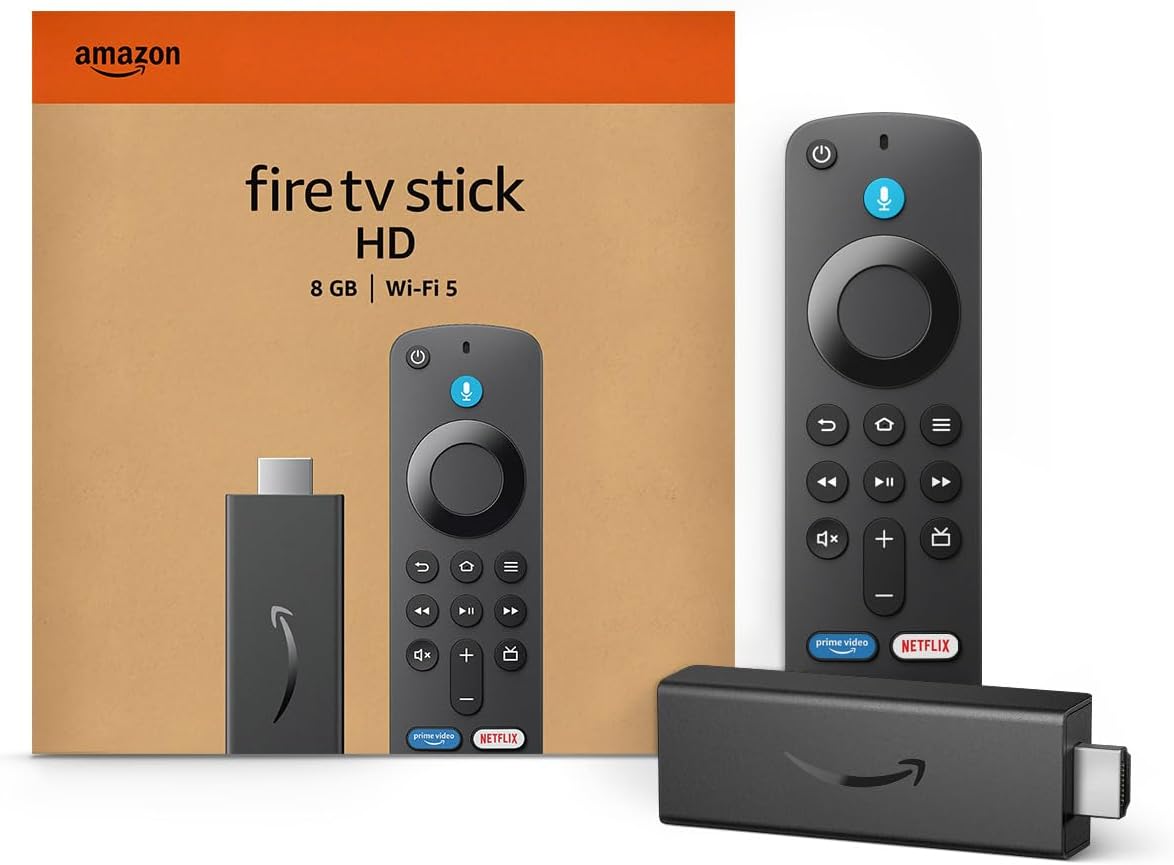
Amazon Fire TV Stick HD
Turn Any TV to a Smart TV. Stream Netflix, Prime Video & More. Alexa Voice Remote Included. Easy Plug & Play Setup.
Shop on Amazon
Understanding Samsung TV Issues and Basic Troubleshooting
Most Samsung TV problems can be fixed at home with a few simple steps. Power cycling your TV, checking your cables, and updating software solve the majority of common issues before you need professional help.
Universal Troubleshooting Steps
When you face Samsung TV issues, start with these basic fixes that work for most problems. First, unplug your TV from the wall outlet and wait 60 seconds. This power cycle resets internal hardware and clears temporary glitches.
Next, check that all cables are firmly connected at both ends. Loose HDMI cables cause many picture and sound problems. Try switching to a different HDMI port on your TV to rule out a bad connection.
Update your TV’s software by going to Settings > Support > Software Update. Outdated firmware causes app crashes and performance issues. Make sure your remote has fresh batteries and nothing blocks the sensor on your TV.
Test different content sources to find if the problem is your TV or an external device. If Netflix works but your cable box doesn’t, the issue is with the cable box.
Power Cycling and Reset Methods
A proper power cycle fixes most common Samsung TV problems without erasing your settings. Unplug the power cord from the wall outlet, not just the TV. Wait a full 60 seconds to let all capacitors discharge completely.
Press and hold the power button on the TV itself for 30 seconds while unplugged. This drains any remaining power. Plug the TV back in and turn it on using the physical power button first, then try your remote.
For software issues like frozen apps or a slow Smart Hub, perform a Smart Hub reset. Go to Settings > Support > Self Diagnosis > Reset Smart Hub. You’ll need to log back into your streaming apps afterward.
A factory reset is your last option for serious software problems. Navigate to Settings > General > Reset and enter your PIN if prompted. This erases all settings, accounts, and downloaded apps.
Checking Connections and Cables
Bad connections cause many Samsung TV troubleshooting complaints about picture and sound. Inspect each cable for visible damage like bent pins, frayed wires, or loose connectors. Replace damaged cables immediately.
Remove and firmly reconnect your HDMI cables at both the TV and source device. Try a different HDMI port on your TV since individual ports can fail. Use HDMI ports labeled “HDMI 2.1” or “ARC” for gaming consoles and soundbars.
Check that your TV’s input source matches the port you’re using. Press the Source button on your remote and select the correct HDMI input. A blank screen often means you’re on the wrong input.
For antenna connections, make sure the coaxial cable screws on tightly. Loose antenna cables cause pixelated or missing channels. Test your wall outlet with another device to confirm it provides power.
Power and Startup Problems
Power issues are among the most common Samsung TV problems you’ll face. A TV that won’t respond, shows mysterious blinking lights, or shuts off unexpectedly can often be fixed with simple troubleshooting steps before you need professional help.
Samsung TV Won’t Turn On
When your Samsung TV won’t turn on, start with a power cycle to clear temporary glitches. Unplug your TV from the wall outlet and wait 60 seconds. Press and hold the physical power button on your TV for 15 seconds while it’s unplugged. Plug it back in and wait 30 seconds before turning it on.
Check that your power outlet works by plugging in another device. Test your remote by pressing the power button on the TV itself instead of using the remote. Replace your remote batteries if the TV responds to the physical button but not the remote.
If you see no standby light at all, inspect your power cord for damage. Try plugging directly into a wall outlet instead of a surge protector, as surge protectors can wear out and restrict voltage.
Red Light Blinking Explained
A blinking red light indicates specific error codes on your Samsung TV. Two blinks typically mean a power board issue or overload. Three blinks suggest an internal component failure. Five or six blinks point to backlight or panel problems.
When you see a solid red light but the TV won’t respond, disconnect all external devices like cable boxes and gaming consoles. Try turning on the TV with only the power cord connected. Reconnect devices one at a time to identify any problematic connections.
Samsung TV Keeps Turning Off
If your Samsung TV keeps turning off by itself, check your sleep timer and eco settings. Press the Home button, go to Settings, then General, and turn off the Sleep Timer. Disable Eco Solution settings that automatically power down your TV.
Overheating can trigger automatic shutoffs. Make sure your TV has at least four inches of clearance around all vents. Clean dust from ventilation openings with compressed air.
Check if your TV software needs updating by going to Settings, Support, and Software Update. Outdated firmware can cause unexpected shutdowns and other stability issues.
Display and Picture Quality Issues
Picture problems rank among the most common samsung tv issues that owners face. These problems range from screens that go black while audio continues to lines appearing across your display to flickering that makes watching uncomfortable.
Black Screen with Sound
When your TV produces sound but shows no picture, the problem often relates to power settings or input connections. Press the power button on your remote and hold it until the TV turns off and back on. This simple reset fixes many temporary glitches.
Check that all HDMI cables are firmly connected to both your TV and external devices. A loose cable can cause the screen to go black while audio continues normally.
Try adjusting your TV’s backlight settings. Navigate to All Settings, select Picture, then Expert Settings, and increase the Backlight level. Sometimes the backlight gets set too low, making the screen appear completely dark.
If you’re using an external device like a cable box or gaming console, test a different HDMI port on your TV. A faulty port can prevent video signals from displaying properly.
Horizontal or Vertical Lines
Lines on your screen require testing to determine if the TV itself has failed or if an external device is causing the problem. Run the built-in Picture Test by going to All Settings, then Support, then Device Care, and select Self Diagnosis. Choose Picture Test to view a test image.
If lines don’t appear during the Picture Test, your TV works correctly. The issue comes from your cable box, streaming device, or HDMI cable. Replace the HDMI cable first since cables are the most common cause of this samsung tv problem.
When lines do appear during the Picture Test, your TV needs professional repair. Physical damage like cracks can cause black lines and isn’t covered by warranty.
Picture Distortion and Flickering
A flickering screen often results from energy-saving features that adjust brightness automatically. Navigate to All Settings, select General, then Eco Solution. Turn off Ambient Light Detection and Motion Lighting to see if the flickering stops.
Test your HDMI cable through the built-in diagnostic tool. Go to All Settings, Support, Device Care, Self Diagnosis, and select HDMI Troubleshooting. Replace any cables that fail the test.
Electrical interference from other devices can cause flickering. Unplug all other electronics from the same outlet as your TV. If the flickering stops, one of those devices has a grounding issue.
Update your TV’s firmware to fix known bugs. Go to All Settings, Support, Software Update, and select Update Now. Your TV will check for available updates and install them automatically.
Sound and Audio Troubles
Audio problems can range from complete silence to intermittent dropouts that disrupt your viewing. These issues often stem from incorrect settings, loose connections, or software glitches rather than hardware failure.
No Sound Output
When your Samsung TV produces no sound, start by running the built-in diagnostic tool. Navigate to All Settings, select Support, then Device Care, and choose Self Diagnosis followed by Sound Test. This test helps determine if the problem is with your TV or an external device.
Check if anything is plugged into the headphone jack, as this automatically mutes the TV speakers. Verify your volume settings and ensure the TV isn’t muted. Try performing a cold boot by pressing and holding the Power button on your remote until the TV turns off and back on.
If you’re using external devices like a soundbar or cable box, confirm they’re powered on and set to the correct input. Make sure your cable box’s audio option matches your connection type, such as HDMI if you’re using an HDMI cable.
Intermittent Audio Dropouts
Audio dropouts often result from loose cable connections at either end of your HDMI or optical cables. Disconnect and firmly reconnect all audio cables to both your TV and external devices. Try a different cable if the problem continues.
Switch to another HDMI port on your TV if one is available. If the dropout stops with the new port but returns when you switch back, the original port may be defective and require service. Some Samsung TVs include an HDMI Cable Test found under All Settings > Support > Device Care > Self Diagnosis > Signal Information.
Set top boxes can experience signal issues from your cable or satellite provider. Weak signals cause audio interruptions even when everything else appears normal. Contact your provider to check signal strength or replace old cable splitters.
Audio Sync and Settings Adjustments
Audio sync issues make dialogue appear out of time with lip movements. Access your TV’s sound settings through All Settings > Sound > Expert Settings and look for Digital Output Audio Delay or AV Sync. Adjust these settings in small increments until audio matches the video.
Check that your external device outputs audio in a format your TV supports. Some devices default to advanced audio formats like Dolby Digital that may cause compatibility problems. Switch the device to PCM or Stereo output if sync issues persist.
Software updates occasionally introduce audio problems or fix existing ones. Navigate to All Settings > Support > Software Update to check for available updates for your TV. Update connected devices like streaming boxes and cable boxes as well.
Smart Features, Connectivity and Remote Problems
Samsung TVs offer advanced smart features, but connectivity issues and remote malfunctions can disrupt your viewing experience. Network problems, app freezes, and unresponsive remotes are among the most reported issues that affect daily use.
App Crashes and Smart Hub Freezing
Apps that crash or freeze on your Samsung TV usually stem from software glitches or insufficient memory. When Smart Hub becomes unresponsive, the TV may struggle to load streaming services or access menus.
Start by closing the problematic app completely. Press and hold the back button on your remote, then select the app and choose “Close.” If the issue continues, clear the app’s cache by going to Settings > Apps > Select the app > Storage > Clear Cache.
Updating your TV’s software often resolves these problems. Navigate to Settings > All Settings > Support > Software Update > Update Now to check for available updates.
If apps still crash after updating, try resetting Smart Hub. Go to Settings > Support > Device Care > Self Diagnosis > Reset Smart Hub. You’ll need to enter your PIN (default is 0000). This removes all downloaded apps and resets Smart Hub to factory settings, so you’ll need to reinstall your apps afterward.
Wi-Fi and Network Issues
Connection problems prevent your TV from accessing streaming services and online content. Your Samsung TV might show “not connected” errors or fail to detect your network entirely.
First, check if other devices connect to your Wi-Fi successfully. If they do, the problem is with your TV. Go to Settings > General > Network > Network Status to run a connection test.
Move your router closer to the TV if possible, as distance and obstructions weaken signals. Thick walls and other electronics can interfere with Wi-Fi performance.
Try these steps for fixing connectivity issues:
- Unplug your router for 60 seconds, then plug it back in
- Go to Settings > General > Network > Reset Network on your TV
- Forget the network and reconnect by entering your password again
- Switch from Wi-Fi to a wired Ethernet connection for more stability
If you use Ethernet, inspect the cable for damage and ensure it’s firmly connected to both the TV and router.
Remote Control Not Working
Remote control problems range from unresponsive buttons to complete failure. Battery issues cause most remote malfunctions.
Open the battery compartment and check for corrosion, which appears as white powder or rust. Replace the batteries with fresh ones, ensuring correct polarity. Most Samsung remotes use AAA batteries.
For 2021 and newer Samsung TVs, reset the remote by pressing and holding the back button and the Enter button (large circular button) for 10 seconds. Then pair it again by holding the back and play/pause buttons simultaneously for 5 seconds while standing about one foot from the TV.
For older models, remove the batteries and hold the power button for 8 seconds to reset the remote.
Bluetooth remotes require a clear path to the TV and work within 10 meters. Remove any objects blocking the TV’s sensor. If your remote has an IR sensor, test it by pointing the remote at your phone’s camera and pressing the power button. You should see a light on your phone screen if the IR sensor works.
Download the SmartThings app from the Google Play Store or Apple App Store to use your phone as a backup remote. Connect your TV in the app, select your TV from the device list, and tap Remote to access controls.
Warranty, Repairs, and When to Seek Professional Help
Samsung TVs come with manufacturer warranties that cover specific defects and failures. Knowing how to use your warranty, which problems need professional attention, and where to find authorized repair services can save you time and money.
Using Your Samsung TV Warranty
Samsung TVs typically include a one-year limited warranty from the purchase date. This warranty covers defects in materials and workmanship under normal use.
Your warranty does not cover damage from accidents, misuse, or unauthorized repairs. Physical damage like cracked screens or water damage falls outside warranty protection. Keep your receipt or proof of purchase, as you’ll need it to verify your warranty status.
You can check your warranty status by signing into your Samsung Account and looking under “My Products.” If the warranty date is wrong, click “Review Warranty” and upload your proof of purchase to update it.
When repairs are covered under warranty, you won’t pay for parts or labor. Samsung uses genuine parts and provides a 90-day warranty on completed repairs. Out-of-warranty repairs will require payment for both parts and service.
Identifying Issues Needing Service
Some TV problems require professional repair rather than basic troubleshooting. You should seek service if your TV has a cracked or physically damaged screen, persistent vertical or horizontal lines that don’t disappear after a reset, or internal hardware failures.
Power issues where the TV won’t turn on after trying different outlets and power cables may indicate internal problems. Audio issues where sound doesn’t work through any output method after checking all settings also warrant professional help.
Software problems that persist after factory resets might need technician-level intervention. Backlight failures where the screen stays dark but you can barely see images with a flashlight require replacement parts.
Don’t attempt repairs yourself, as this voids your warranty. Opening your TV or using unauthorized repair services eliminates your eligibility for Samsung support.
Locating a Samsung-Authorized Service Center
Samsung offers multiple ways to get professional repairs. You can search for a local service center near you on their website by entering your location.
For TVs, in-home service may be available in your area. A Samsung-certified technician will visit your home to diagnose and repair your TV. The technician will call within two business days to confirm your appointment after you submit a request.
You can also contact Samsung support by calling 1-800-SAMSUNG from 8 AM to 9 PM EST Monday through Friday. Live chat is available 24 hours a day, seven days a week.
When requesting service, have your TV model number, serial number, and purchase date ready. You can find these on a label on the back of your TV or in your original documentation.
Frequently Asked Questions
Samsung TV owners often face similar issues that can be fixed without professional help. These solutions cover picture adjustments, audio fixes, power problems, app connectivity, remote malfunctions, and software updates.
What are the steps to resolve picture quality issues on Samsung TVs?
Start by checking your TV’s picture settings. Press the Home button on your remote and go to Settings > Picture. Make sure the picture mode matches what you’re watching.
If you see lines or a fuzzy picture, try a different HDMI cable and input port to rule out source problems. Test whether the lines appear over the TV menu. If they do, the problem is with the TV itself and not your cable box or streaming device.
Adjust the sharpness, brightness, and contrast settings. Turn off motion smoothing features if the picture looks unnatural. Reset your picture settings to default if you’ve made too many changes.
How can one fix sound problems when they occur on a Samsung television?
Check that your TV isn’t muted and the volume is turned up. Look at the sound output settings to ensure audio isn’t directed to an external speaker system you’re not using.
Go to Settings > Support > Self Diagnosis > Sound Test to check if your TV speakers work properly. Test different content sources like built-in apps versus an external device to see if the problem happens everywhere.
If you use a soundbar or receiver, make sure the HDMI ARC or optical cable connections are secure. Unplug the TV for 60 seconds to reset the audio system.
What should be done if a Samsung TV is not turning on despite power being available?
Confirm the wall outlet works by plugging in another device like a lamp. Check that the power cord is firmly connected to both the TV and the outlet.
Try pressing the physical power button on the TV itself instead of using the remote. Unplug the TV from the wall for 60 seconds to reset the internal hardware, then plug it back in.
Look at the power cord for any visible damage like fraying or bent prongs. If the standby light doesn’t come on at all, you likely have a failed power supply board that needs professional repair.
How does one address connectivity issues with Samsung Smart TV apps?
Check that your TV is connected to Wi-Fi by going to Settings > General > Network > Network Status. Run a connection test to see if your internet is working properly.
Perform a soft reset of the Smart Hub by going to Settings > Support > Self Diagnosis > Reset Smart Hub. You’ll need to log back into your apps after this reset.
Clear the cache for problem apps by going to Settings > Support > Device Care > Manage Storage. Update your TV’s software through Settings > Support > Software Update. Restart your router and modem if multiple apps won’t load.
What are common ways to troubleshoot a Samsung TV remote that is not working?
Replace the batteries in your remote with fresh ones. Make sure nothing is blocking the infrared sensor on the front of your TV.
Point the remote directly at the TV sensor from about 10 feet away. Clean the remote’s IR transmitter and the TV’s sensor with a soft cloth.
Try using the Samsung SmartThings app on your phone as a backup remote. If your remote still doesn’t work with new batteries, you may need to pair it again or get a replacement.
What methods can be employed to rectify issues with the Samsung TV’s firmware updates?
Go to Settings > Support > Software Update > Update Now to manually check for updates. Make sure your TV is connected to the internet before starting.
Enable automatic updates by turning on Auto Update in the same menu. Your TV will download updates when it’s in standby mode. Keep your TV plugged in overnight to allow updates to complete.
If an update fails, unplug your TV for 60 seconds and try again. Connect your TV directly to your router with an Ethernet cable if Wi-Fi downloads keep failing. You can also download updates to a USB drive from Samsung’s support website and install them manually.
Read More:
- Samsung TV Keyboard Not Working (Causes, Solutions & Settings)
- Samsung TV ARC Not Working (Causes, Setup & Troubleshooting)
- Samsung TV Channels Not Working (Step-by-Step Troubleshooting)
- Samsung TV Equalizer Not Available (Causes & Effective Fixes)
- Samsung TV External Speakers Not Working (Causes, Set Up & Fixes)
- Samsung TV Keep Restarting (Causes, Troubleshooting & Solutions)
- Samsung TV Keeps Freezing (Expert Solutions & Troubleshooting)
- Samsung TV Double Image Problem (Causes, Fixes & Prevention)
- Samsung TV Blinking Red Light (Top Causes & Proven Fixes)
- Samsung TV Jumping Screen (Causes, Troubleshooting & Solutions)
- Samsung TV Keeps Saying Not Available (Troubleshooting Guide)
- Samsung TV Half Screen Darker (Causes, Fixes & Troubleshooting)
- Samsung TV Power Button Not Working (Solutions & Troubleshooting)
- Samsung TV Microphone Not Working (Causes and Solutions)
- Samsung TV Got Lines on Screen (Causes, Fixes & Replacement)
- Samsung TV AirPlay Not Working (Causes, Compatibility & Fixes)
- Samsung TV Volume Not Working (Troubleshooting & Lasting Fixes)
- Samsung TV Netflix Not Working (Causes, Steps & Solutions)
- Samsung TV Plus Not Working (Solutions & Troubleshooting)
- Samsung TV Sound Not Working (Fixes, Checks & Pro Tips)
- Samsung TV YouTube Not Working (Causes and Solutions)
- Samsung TV Remote Not Working (Causes & Step-by-Step Fixes)
- Why Samsung TV Brightness Keeps Changing (Causes & Fixes)
- Samsung TV Not Keeping Settings (Complete Guide)
- Samsung TV Error Code (102/107/155/202/800)
- Samsung TV Not Loading (Practical Steps & Solutions Explained)
- Why Samsung TV Blurry? (Causes, Fixes, and Picture Optimization)
- Samsung TV Not Mirroring (Causes, Solutions & Alternatives)
- Samsung TV Not HD (Causes, Solutions, and Optimizing)
- Samsung TV Not Enough Memory (Causes, Fixes, and Prevention)
- Samsung TV Not Having Sound (Complete Troubleshooting)
- Samsung TV Not Downloading Apps (Proven Fixes and Guide)
- Samsung TV Not Installing Apps (Troubleshooting & Solutions)
- Samsung TV Not Enough Storage Space (Solutions & Best Practices)
- Samsung TV Not Connecting to HDMI (Solutions for HDMI Issues)
- Samsung TV Not Connecting to Soundbar (Step-by-Step Fixes)
- Samsung TV Flickering (Troubleshooting, Causes & Solutions)
- Samsung TV Backlight Not Working (Causes, Diagnostics & Fixes)
- Samsung TV Not Responding to Remote or Buttons (Solved)
- Samsung TV Bluetooth Not Working (Expert Solutions)
- Samsung TV Not Connecting to Internet (Cause & Solutions)
- Samsung TV Black Screen (Causes and Solutions)
- Samsung TV Not Appearing in Cast (Causes and Solutions)
- Samsung TV Not Displaying (Fix No Picture Issues)
- Samsung TV Not Finding WiFi (Step-by-Step Solutions)
- Samsung TV Not Able to Update Software: Fixes & Solutions
- Samsung TV Not Bright Enough (Complete Troubleshooting)
- Samsung TV Not Turning On (Full Troubleshooting)
- Samsung TV Not Connecting to WiFi (Proven Guide)
- Samsung TV Apps Not Working (Complete Troubleshooting Guide)
- Why Samsung TV Is So Slow? The Solutions That Actually Work
- Why Samsung TV Turn Off by Itself? Problem-Solving Guide